A Singular Vision: The Forsyth Wickes Museum of Fine Arts and Its Legacy
Nestled in the heart of Boston’s Back Bay neighborhood, the Forsyth Wickes Museum of Fine Arts stands as a testament to one man’s unwavering passion for art—specifically, the exquisite artistry of 18th-century France. More than just a repository of beautiful objects, it embodies a singular vision: that of Forsyth Wickes (1876-1964), a lawyer whose childhood spent traversing Europe instilled in him an enduring appreciation for European culture and artistic heritage. This museum isn’t merely about viewing art; it's about immersing oneself in the spirit of an era defined by elegance, intellectual curiosity, and meticulous craftsmanship.
The Core Collection: Rococo and Neoclassical Splendor
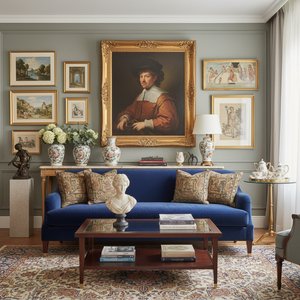
At its core lies an astonishing assemblage of paintings, drawings, and sculptures reflecting the dominant artistic styles of the 18th century – Rococo and Neoclassical. Visitors will discover works that capture the playful exuberance of Rococo palaces adorned with pastel hues and ornate decorations, alongside the stately grandeur of Neoclassical temples inspired by classical antiquity. Artists like Jean-Honoré Fragonard and François Boucher exemplify the Rococo aesthetic, portraying scenes of aristocratic leisure and romance with delicate brushstrokes and masterful illusionism. Imagine strolling through a gilded ballroom bathed in candlelight, surrounded by dancers adorned in shimmering silks and feathers—a scene rendered with breathtaking precision by Boucher’s canvases. Conversely, sculptures by Antonio Canova and Johann Christian Schröder embody the neoclassical ideal of balance, proportion, and idealized beauty—a reaction against the excesses of the Baroque period. Consider Canova's "Psyche Revived by Cupid," a marble masterpiece that captures the sublime emotion of resurrection with serene grace and sculptural virtuosity.
A Porcelain Paradise: Sèvres and Beyond
Perhaps the museum’s most celebrated achievement is its unparalleled collection of French porcelain. Representing a pinnacle of ceramic artistry, these pieces showcase the technical prowess of manufacturers like Sèvres, Chantilly, and Sevres Manufactory, demonstrating an astonishing level of detail and refinement. Delicate figurines depicting mythological figures and pastoral scenes alongside opulent tableware sets exemplify the decorative ambitions of the aristocracy. The meticulous glazing techniques employed—particularly the pâte encruquée method—resulted in surfaces that shimmer with subtle color variations and capture the ethereal quality characteristic of Rococo porcelain. Visualize a magnificent Sèvres vase adorned with exquisitely painted floral motifs, reflecting light with an almost otherworldly luminescence—a testament to the skill of Parisian artisans who elevated porcelain production to an art form itself.
Forsyth Wickes: Patron of Art & Intellectual Pursuit
Forsyth Wickes’ dedication to art extended far beyond mere collecting; he actively championed its appreciation through lecturing engagements and international exhibitions. His profound understanding of artistic context fueled his conviction that beauty should inspire contemplation and intellectual engagement. He meticulously documented his collection, recognizing the importance of preserving historical information alongside aesthetic enjoyment—a philosophy reflected in the museum's scholarly publications and educational programs. Wickes believed passionately in sharing his knowledge with others, fostering a dialogue between art history and contemporary thought. His legacy continues to resonate within the museum’s mission to promote artistic excellence and inspire lifelong learning.
Architectural Elegance: The Museum’s Building
Situated on Beacon Street in Boston’s Back Bay neighborhood, the museum’s building itself contributes to its distinctive atmosphere. Designed in 1927 by architect Harold Burnham Fairbanks Jr., it embodies Beaux-Arts principles—characterized by symmetrical facades, monumental columns, and ornate ornamentation—reflecting the grandeur of European palaces. The interior spaces are bathed in natural light, creating an environment conducive to quiet contemplation and fostering a connection between visitors and the artworks on display. Step inside and marvel at the soaring ceilings adorned with frescoes depicting scenes from classical mythology—a deliberate homage to the architectural ideals that shaped Wickes’ artistic sensibilities.
Notable Exhibitions & Ongoing Engagement
Throughout its history, the Forsyth Wickes Museum has hosted numerous exhibitions showcasing both canonical masterpieces and emerging scholarship. Collaborations with leading art historians and curators have ensured that the museum’s holdings are presented in a context that illuminates their significance within broader artistic and cultural narratives. Furthermore, ongoing educational initiatives—including workshops for students and public lectures—demonstrate a commitment to fostering appreciation for 18th-century French art and its enduring legacy. The museum continues to attract discerning visitors eager to experience the beauty of this remarkable collection and delve into the fascinating story of its founder—a celebration of artistic heritage that persists to this day.