


Una joya siberiana: El latido de Omsk
Enclavado entre los vastos y majestuosos paisajes del suroeste de Siberia, donde el pulso rítmico del Ferrocarril Transiberiano se encuentra con los ecos históricos de una antigua capital, se encuentra el Museo de Bellas Artes de Omsk . Este no es simplemente un santuario para lo estático; es un puente vivo que conecta el alma indómita y vibrante de la frontera siberiana con las corrientes refinadas de la tradición artística europea. Desde su surgimiento como entidad independiente en 1940, el museo se ha erigido como un testimonio de resiliencia cultural, transformando a Omsk de un mero centro de transporte en un destino donde la historia y la belleza convergen. Recorrer sus salas es atravesar la compleja narrativa de una región que alguna vez salvaguardó tesoros imperiales y navegó las tumultuosas mareas de la Guerra Civil Rusa, todo ello mientras fomentaba una profunda dedicación tanto al patrimonio nacional como a la maestría internacional.
Un tapiz de obras maestras y esplendor imperial
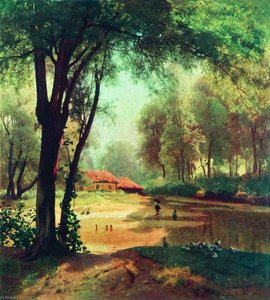
La colección contenida entre estos muros ofrece un diálogo impresionante entre el realismo profundo de los maestros rusos y los susurros de la vanguardia occidental. Uno podría perderse en las pinceladas poderosas y emotivas de Repin o en las profundidades evocadoras y simbólicas de Vrubel , cuyo propio nombre está grabado en la identidad del museo. Sin embargo, los tesoros del museo se extienden mucho más allá de las fronteras de Rusia, presentando una selección curada de pinturas y esculturas europeas que invitan a una perspectiva global. Para el coleccionista con ojo para el detalle exquisito, la célebre colección de huevos Fabergé proporciona un momento de puro y brillante encantamiento. Estos objetos, emblemas de la inigualable artesanía de la Rusia Imperial, sirven como luminosos signos de puntuación en una galería llena de profunda expresión humana. Este sentido de intimidad e intensidad es quizás más palpable al contemplar las obras de Alexej von Jawlensky ; en piezas como su Retrato en traje gris , el espectador experimenta una inmersión en el alma, donde el color y la textura trascienden la realidad para evocar un paisaje de pura emoción.
El lienzo vivo: Arquitectura y espíritu contemporáneo
La presencia física del museo es tan cautivadora como el arte que protege. Alojado en estructuras históricas que reflejan la evolución arquitectónica de Omsk, el museo combina a la perfección el diseño tradicional ruso con las sensibilidades modernas, creando un entorno donde cada rincón cuenta una historia de adaptación y crecimiento. Esta armonía arquitectónica proporciona el escenario perfecto para exposiciones como Avangard Omsk , que defiende a los artistas contemporáneos siberianos y sus audaces reinterpretaciones de la tradición. Para el diseñador de interiores que busca inspiración o el entusiasta del arte que anhela el descubrimiento, el museo ofrece más que una simple visita; ofrece una experiencia de historia estratificada y modernidad vibrante. Es un lugar donde los límites del arte se desdibujan, y donde el espíritu perdurable de Siberia resuena a través de cada escena meticulosamente representada y cada forma esculpida, invitando a todos los que entran a formar parte de su legado continuo.


