
Índice de contenidos
Información esencial
- Featured artists:
- Giovanni Bellini
- jacques hupin
- frans the younger pourbus
- Alternate names:
- Museo Civico Malaspina
- Museo Civil Malaspina
- Malaspina Museum
- Museos Civicos Pavia
- Civico Museo Malaspina
- Location: Pavia, Italia
- Works on APS: 3
Artistas en la colección
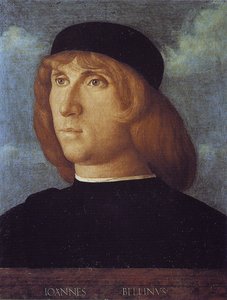
Giovanni Bellini
Descubre a Giovanni Bellini (1433-1516), maestro del Renacimiento veneciano. Sus obras, llenas de color y luz, influyeron en Giorgione y Tiziano.


jacques hupin
Discover the captivating works of Jacques Hupin, a renowned French artist known for his innovative styles and compelling themes. Explore his artistic legacy and unique contributions to contemporary art.
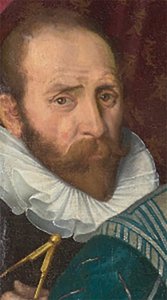
Frans Pourbus El Joven
Frans Pourbus el Joven (1569-1622) fue un retratista flamenco famoso por sus refinadas representaciones de la nobleza y realeza europea. Conocido por su detalle en vestuarios, poses estáticas y servicio a los Archiduques.

Test de arte
Cada pregunta tiene una única respuesta correcta.
Pregunta 1:
¿Cuál es el estilo arquitectónico predominante del Museo Civico Malaspina?
Pregunta 2:
¿Qué períodos artísticos representan las colecciones principales del museo?
Pregunta 3:
¿Qué evento histórico tuvo lugar dentro de los muros del Castillo Visconti?
Pregunta 4:
¿Quién donó una parte significativa de las colecciones artísticas del museo?
Pregunta 5:
¿De qué palacio real provienen los artefactos más destacados de la colección del museo?
Artículos relacionados

Las 10 Obras Maestras del Alto Medieval: Arte, Historia y Decoración Exclusiva
Descubre las 10 obras maestras del Alto Medieval. Explora la historia, el simbolismo y la belleza de la pintura románica y gótica. Reproducciones exclusivas en OriginalUniqueArt.com para decorar tu hogar con arte atemporal.
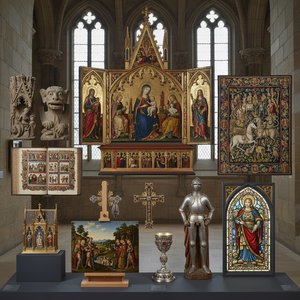
10 Obras Maestras Medievales que Definen el Arte (y tu Hogar)
Descubre 10 obras maestras del arte medieval, desde Duccio a Van Eyck. Explora la historia, simbolismo y belleza de Giotto, Simone Martini y más. Encuentra reproducciones de alta calidad para decorar tu hogar en OriginalUniqueArt.com.

Divine Light & Golden Splendor: A Journey Through the Sacred Grandeur of High Medieval Art
Embark on a soulful journey through High Medieval art. Explore the divine light of Gothic cathedrals, Byzantine splendor, and sacred masterpieces that shaped Western history with our expert-led cultural reflections.
Lista de obras de arte en Museo Civico Malaspina
No se encontraron obras de arte.