Una joya perdida de Winterthur: El legado del Museum Briner und Kern
En el corazón de Winterthur, Suiza, existió una vez un santuario de belleza especializada conocido como el Museum Briner und Kern. Aunque sus puertas han cerrado permanentemente al público, el museo permanece como un capítulo conmovedor en los anales de la historia del arte europeo, representando una visión singular de preservación que buscaba tender un puente entre la maestría del norte de Europa y la identidad cultural suiza. No era simplemente una galería, sino un diálogo curado entre épocas, donde las sombras dramáticas de la Edad de Oro holandesa se encontraban con la delicada precisión del retrato suizo. Para el coleccionista exigente o el amante del detalle fino, el recuerdo del museo evoca una maravillosa sensación de intimidad: un lugar donde el arte no se presentaba con una amplitud abrumadora, sino con una profundidad profunda y concentrada que invitaba a la contemplación silenciosa.
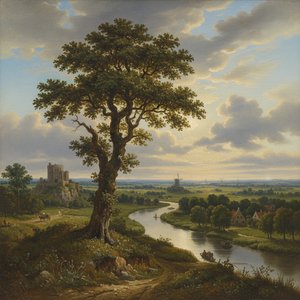
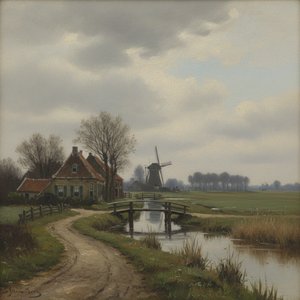
El alma de la colección residía en su impresionante maestría de los Grandes Maestros holandeses. Los visitantes eran transportados al siglo XVII a través de obras caracterizadas por la técnica del chiaroscuro , donde la luz y la sombra danzan sobre el lienzo para revelar la naturaleza fugaz de la existencia. El museo custodiaba tesoros que encarnaban la esencia de la Vanitas : recordatorios de la mortalidad envueltos en texturas opulentas. Desde las meticulosas escenas de género de Pieter de Hooch y Adriaen van Ostade hasta los paisajes atmosféricos de Jacob van Ruisdael, cada pieza ofrecía una ventana a un mundo de notable realismo y complejidad psicológica. Estas pinturas, con su capacidad para transformar la domesticidad cotidiana en algo profundo, proporcionaban una experiencia inigualable para quienes buscaban el brillo sereno de la estética barroca.
Maravillas en miniatura e identidad suiza
Más allá de los grandes lienzos de los maestros holandeses, el Museum Briner und Kern poseía un tesoro sumamente distintivo y encantador: un extraordinario conjunto de pinturas en miniatura. Estas maravillas diminutas, a menudo ejecutadas sobre marfil o carey, exigían un nivel de precisión casi sobrehumano por parte de sus creadores. Contemplarlas era presenciar el triunfo de la habilidad sobre la escala, mientras pequeñas narrativas mitológicas e íntimos retratos se desplegaban con una claridad asombrosa. Esta fascinación por lo minúsculo se complementaba con un enfoque dedicado al arte suizo de los siglos XVIII y XIX.
A través de obras de artistas como Johann Christian Zellner, el museo celebraba la evolución de una identidad nacional, entrelazando temas de paisajes alpinos y retratos clásicos que reflejaban el espíritu cambiante del paisaje suizo. La colección era un repositorio vital para los legados de Jakob Briner y Emil Kern, creando un entorno donde los estudiosos podían profundizar en narrativas históricas especializadas. Si bien la institución enfrentó el peso de la sostenibilidad financiera y finalmente cerró a finales de 2014, su espíritu artístico persiste a través de su legado:
- La Edad de Oro holandesa: Una colección profunda que presenta maestros como Rembrandt, Pieter Claesz, Jan Both y Samuel van Hoogstraten.
- Maestría en miniatura: Una colección inigualable de obras diminutas y detalladas sobre materiales preciosos como el marfil.
- Herencia suiza: Una celebración del paisaje y el retrato suizo de los siglos XVIII y XIX.
Hoy en día, la memoria de esta institución sigue siendo un testimonio del poder de la curaduría enfocada. Aunque muchas de sus preciosas pertenencias han encontrado nuevos hogares —algunas residiendo temporalmente en el estimado Museo Oskar Reinhart—, la esencia de las colecciones Briner y Kern continúa inspirando a aquellos que encuentran la belleza en lo meticuloso y lo profundo.