

Museo Arqueológico Nacional: Un viaje por el alma de España
El Museo Arqueológico Nacional (MAN), enclavado en el histórico distrito del Retiro en Madrid, junto a la Biblioteca Nacional de España, se erige como un testimonio de la fascinación perdurable de España por su pasado. Fundado en 1867 por la reina Isabel II —concebido originalmente como un repositorio para tesoros numismáticos—, el museo ha florecido hasta convertirse en una crónica expansiva de la historia ibérica, que abarca desde la Iberia prehistórica hasta los albores de la modernidad.
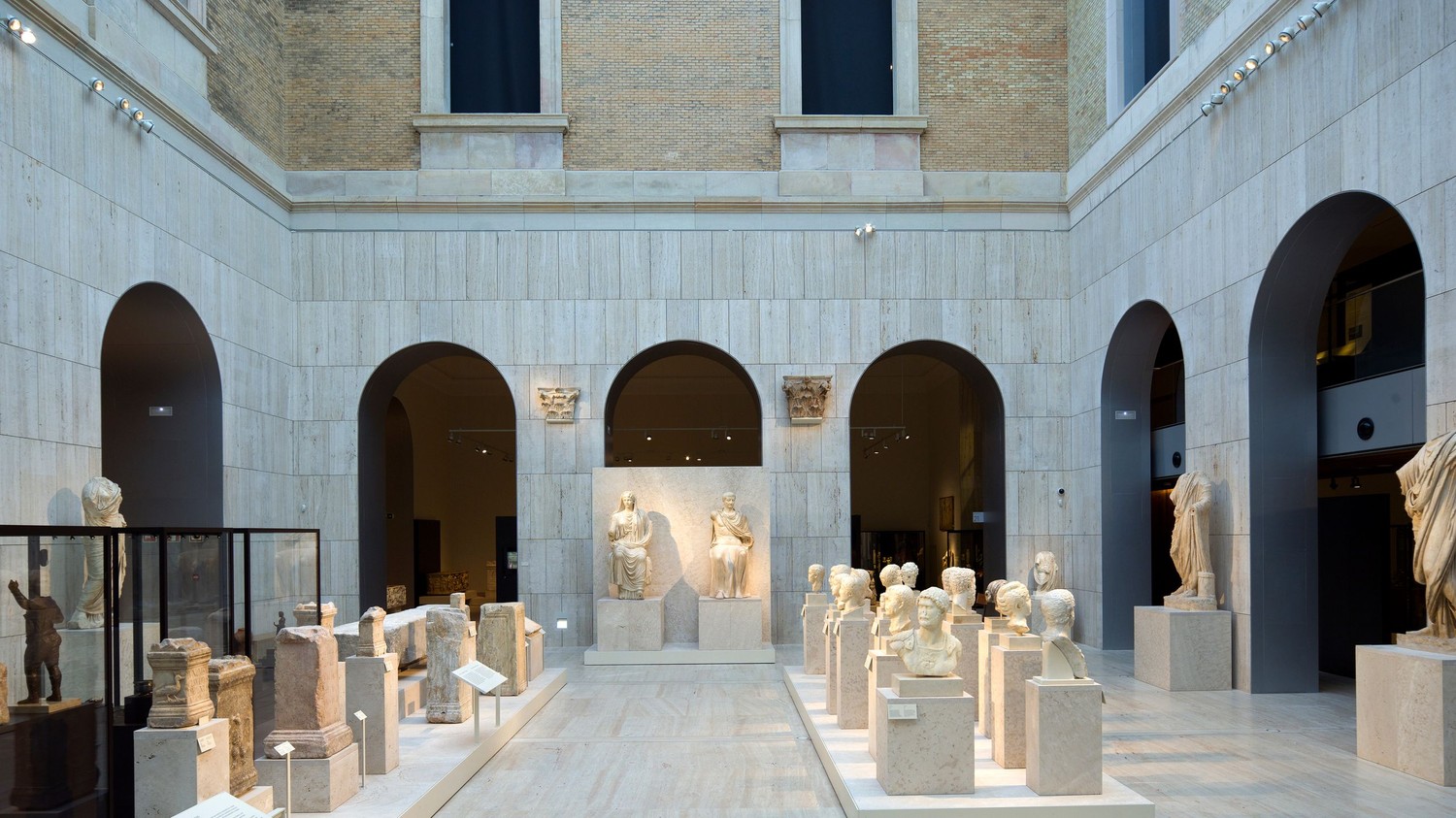
Más allá de ser un simple contenedor de artefactos, el MAN ofrece a los visitantes un encuentro profundo con la evolución cultural de España. Su grandeza arquitectónica —un complejo neoclásico diseñado por Francisco Jareño entre 1866 y 1892— refleja la ambición de la nación por la preservación artística junto al legado intelectual. Renovado en 2008, continúa atrayendo tanto a académicos como a entusiastas por igual.
Ecos de la antigua Iberia: Damas de piedra y civilizaciones perdidas
La fuerza fundamental del museo no reside meramente en su cantidad, sino en una curaduría meticulosa que insufla vida a los fragmentos del pasado. La expedición comienza con una exploración cautivadora de la España prehistórica, dominada por una réplica asombrosamente detallada de las pinturas de la Cueva de Altamira. Esta recreación fiel —lograda mediante una minuciosa fotogrametría— nos permite apreciar el poder bruto y la belleza evocadora de estas icónicas imágenes paleolíticas sin perturbar su contexto original en las remotas cuevas del norte.
Junto a esta experiencia inmersiva, se encuentran exposiciones dedicadas a la civilización ibérica, donde uno se topa con el enigma y el encanto de esculturas como la Dama de Elche. Tallada en piedra caliza, esta figura de una belleza inquietante —cuyos orígenes y propósito han sido debatidos por eruditos durante generaciones— sirve como un recordatorio conmovedor de las creencias espirituales y las tradiciones artísticas de Iberia.
La impronta romana: Ley, imperio y vida cotidiana
A medida que se avanza por la narrativa cronológica del museo, la poderosa influencia de Roma en Hispania se vuelve sorprendentemente evidente. Entre sus tesoros destaca la Lex Ursonensis —un extraordinario conjunto de tablillas de bronce descubiertas en Osuna—, que proporciona una evidencia invaluable de las leyes romanas y las prácticas administrativas dentro de la región.
Más allá de este descubrimiento crucial, la colección de artefactos romanos del museo —fragmentos de cerámica, mosaicos intrincados, joyería delicada y fragmentos arquitectónicos— dibuja un cuadro vívido de la vida cotidiana en la Hispania romana. Revela una sociedad profundamente entrelazada con la cultura griega, pero poseedora de su propio carácter distintivo: una fascinante mezcla de influencias que moldeó la identidad de la región durante los siglos venideros.
Un tapiz de culturas: De las torres talayóticas a los tesoros tartésicos
El Museo Arqueológico Nacional no se limita a rastrear los legados de los imperios dominantes; celebra las diversas culturas que florecieron en España durante periodos de transición y agitación. Las exhibiciones dedicadas a la cultura talayótica —caracterizada por sus distintivos asentamientos de torres en Cataluña y Valencia— muestran un estilo arquitectónico y una organización social únicos. p>
Junto a estas muestras se encuentran artefactos de comunidades celtas, que reflejan su influencia en la sociedad ibérica, y tesoros desenterrados del enigmático reino de Tartessos, una civilización reconocida por su riqueza, sus redes comerciales y su sofisticada habilidad en la metalurgia. Estas exposiciones subrayan el papel histórico de España como un cruce de culturas, donde las influencias convergieron y se mezclaron para crear algo enteramente nuevo y singularmente español.
Un legado de descubrimiento: ¿Qué hace único al MAN?
Lo que verdaderamente distingue al Museo Arqueológico Nacional es su alcance integral: un viaje holístico a través de más de 5000 años de historia española. No es simplemente una colección de objetos; es una narrativa cuidadosamente construida que ilumina la evolución de la identidad española, moldeada por las migraciones prehistóricas, la conquista romana, el dominio visigodo, la influencia morisca y, finalmente, el ascenso de España como potencia global.
El compromiso del museo con la investigación es evidente en sus exposiciones meticulosamente documentadas y sus paneles informativos, lo que lo convierte en un recurso invaluable para estudiantes, investigadores y cualquier persona que busque profundizar su comprensión de esta nación cautivadora. El MAN permanece como una institución vital, evolucionando continuamente a través de nuevos descubrimientos y exhibiciones innovadoras, asegurando que las historias del pasado de España sigan resonando en el público actual.