

A Cathedral’s Legacy: The Heart of Museum am Dom
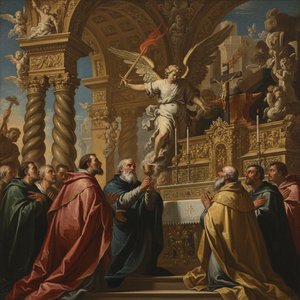
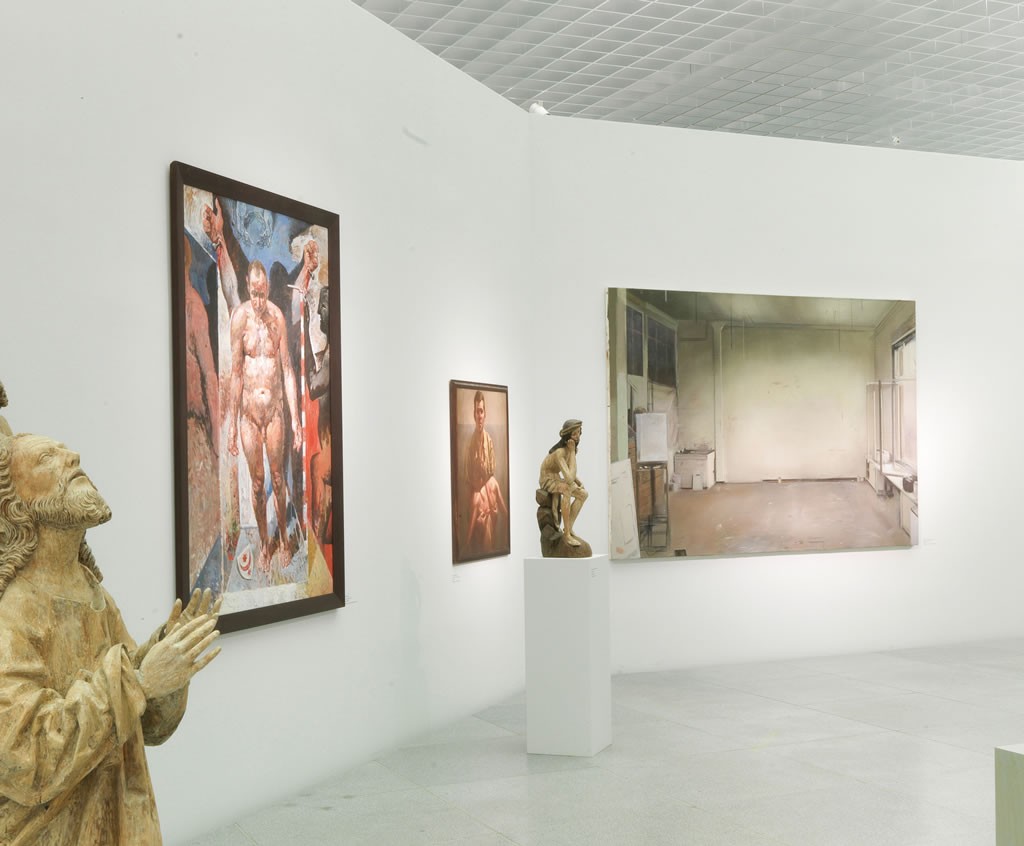
Nestled within the vibrant city of Würzburg, Germany, Museum am Dom stands as a remarkable testament to centuries of artistic and religious devotion. More than just a museum, it's an experience—a carefully orchestrated dialogue between the imposing Würzburg Cathedral towering above and the treasures housed within its walls. The museum’s very existence is rooted in this powerful juxtaposition, offering visitors an unparalleled opportunity to trace the evolution of art through a profoundly spiritual lens. Initially conceived as a space to safeguard the relics of Saint Kilian, the cathedral's patron saint, it has blossomed into a comprehensive collection spanning from the 10th to the 21st centuries, showcasing a breathtaking range of styles and techniques – from the raw power of medieval iconography to the refined elegance of Baroque masterpieces and the contemporary perspectives offered by modern exhibitions. The location itself—directly adjacent to this magnificent Gothic structure—is not merely coincidental; it’s integral to the visitor experience, creating an atmosphere of profound connection between art and faith.
Notable Artistic Highlights: Stories in Stone and Paint
Within Museum am Dom's collection reside several pieces that are particularly noteworthy for their artistic merit and historical importance. The museum’s collection is renowned for its sculptures by Tilman Riemenschneider, a master of late medieval wood carving. His works, such as the poignant depictions of Prince-Bishops Rudolf von Scherenberg and Lorenz von Bibra, are not merely portraits; they're profound explorations of human character and faith. These figures capture the essence of their subjects with remarkable realism and emotional depth, conveying both authority and vulnerability within a single gaze. Riemenschneider’s skill lies in his ability to imbue wood with an almost startling sense of life—a testament to his mastery of technique and his deep understanding of human psychology.
The Schönborn Chapel, a stunning example of Baroque design commissioned by Bishop Adam Friedrich von Seinsheim, is another highlight. This opulent space showcases the lavish artistry and intricate decoration characteristic of the period. The chapel’s incredibly detailed stucco work, vibrant colors, and elaborate altar create an atmosphere of awe and reverence—a deliberate attempt to inspire devotion through sensory richness. The sheer scale and complexity of the chapel's ornamentation reflect the wealth and power of the Schönborn family, who were significant patrons of the arts during this era.
Beyond these individual masterpieces, the museum’s collection includes a diverse array of illuminated manuscripts, reliquaries, liturgical objects, and paintings—each offering a unique window into the religious beliefs and artistic practices of its time. The curators have meticulously assembled a narrative that traces the evolution of art through the centuries, highlighting key stylistic developments and showcasing the contributions of numerous artists and craftsmen.
The Architectural Context: A Cathedral Within a Museum
What truly distinguishes Museum am Dom is its intimate relationship with the Würzburg Cathedral. The museum’s location—directly adjacent to this magnificent Gothic structure—isn't merely coincidental; it’s integral to the visitor experience. Originally, the cathedral served as a repository for the relics of Saint Kilian, and the museum evolved from that initial purpose. The architectural design itself subtly echoes the cathedral’s grandeur, creating a harmonious blend of old and new. While specific details regarding the museum building's original construction are somewhat limited in readily available information, its placement speaks volumes about the historical connection between the two structures—a deliberate act of preservation and celebration. The Cathedral’s own fascinating history adds another layer to this experience. Built over centuries, incorporating Romanesque, Gothic, and Baroque elements, it stands as a powerful symbol of Würzburg’s enduring faith and artistic legacy. The museum acts as a complementary space, providing context and insight into the cathedral’s significance within the broader historical narrative. The presence of the Cathedral itself serves as an immersive backdrop, enhancing the emotional impact of the artwork on display.
Bridging Eras, Cultivating Dialogue
Museum am Dom’s unique strength lies in its ability to bridge the gap between disparate historical periods. It's not simply a collection of artifacts; it’s a carefully curated narrative that traces the evolution of artistic expression within a religious context. The museum actively seeks to foster dialogue between these eras, demonstrating how artistic styles and beliefs have continuously influenced one another over time. Furthermore, its commitment to contemporary exhibitions ensures that the museum remains relevant and engaging for today's audiences, offering fresh perspectives on faith and spirituality. The juxtaposition of medieval relics alongside modern installations creates a stimulating intellectual environment—a space where visitors can contemplate the enduring power of art and its ability to transcend temporal boundaries. The museum’s dedication to both historical preservation and contemporary engagement makes it a truly exceptional cultural institution.