

Samogitian Museum Alka: Unveiling Lithuania’s Hidden Artistic Soul
The Samogitian Museum Alka (Žemaičių muziejus Alka) nestled in Telsiai, Lithuania, transcends the conventional boundaries of a museum—it's an immersive journey into the heart of Samogitia’s cultural heritage. More than simply showcasing artifacts, Alka presents a meticulously crafted narrative that illuminates the region’s multifaceted past, resonating with artistic brilliance and historical significance.
Archaeological Echoes: The Cradle of Lithuanian Identity
The museum's foundation rests upon groundbreaking archaeological discoveries at Varniai and across Samogitia. Excavations have unearthed tangible evidence of pagan rituals—symbols of Lithuania’s pre-Christian traditions—Celtic settlements—reflecting connections to European antiquity—and Roman influences—demonstrating Lithuania’s engagement with the wider Mediterranean world. These finds aren't merely relics; they are windows into Lithuania’s earliest history, informing our understanding of its cultural roots.
A Tapestry of Artistic Expression: Interwar Lithuania’s Legacy
Alka’s artistic collection shines brightest when exploring the vibrant creativity of interwar Lithuania—a period marked by profound social and political transformation. Artists wrestled with themes of identity, modernity, and resilience—capturing landscapes imbued with melancholic beauty and portraits reflecting the complexities of everyday life. Notably, Samogitian painters embraced Symbolism and Expressionism—techniques that sought to convey emotion and psychological depth—resulting in masterpieces that continue to inspire admiration.
Manor Heritage: Elegance Amidst Turbulent Times
Delving into Manor Heritage unveils a captivating glimpse into aristocratic grandeur transformed by the hardships of World War II. The museum’s centerpiece is Biržuvėnai Manor—a symbol of Samogitian nobility—where visitors encounter exquisite Meissen and Rosenthal porcelain dishes—testaments to refined taste—and early 19th-century pistols—artifacts reflecting Samogitia's role in European history. These objects speak volumes about the aspirations and anxieties of a bygone era.
The Diocesan Museum: A Spiritual Landmark
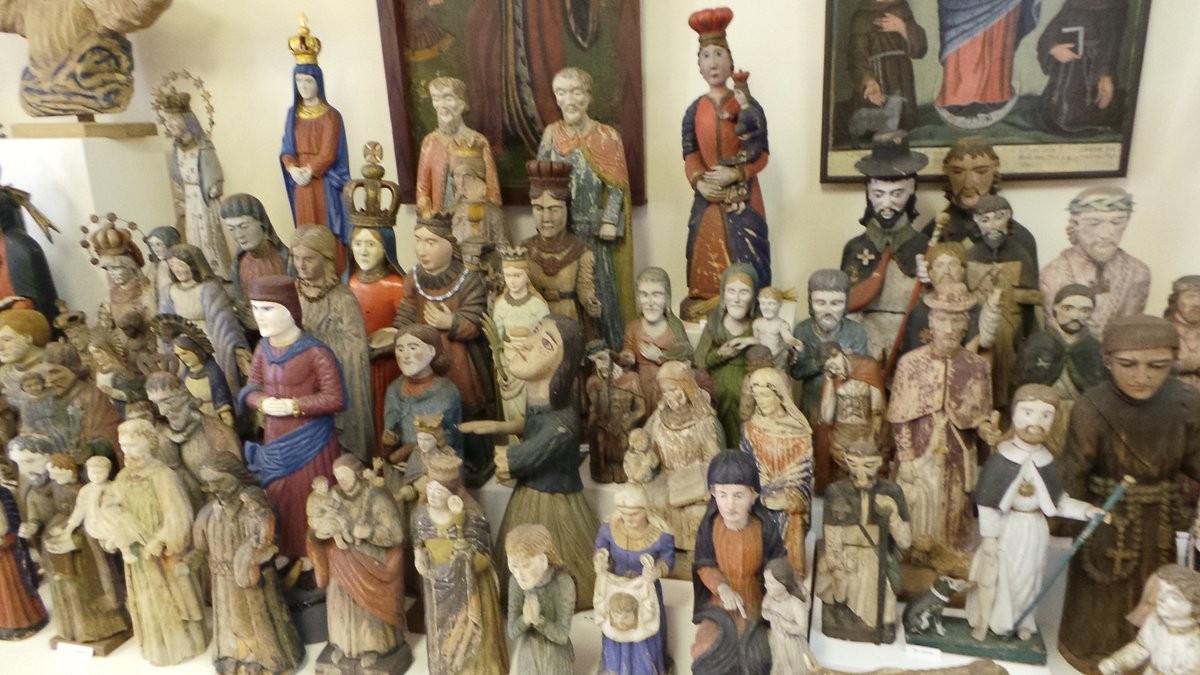
Located within the historic Varniai Priest Seminary building—a structure reborn from Soviet utilitarianism—the Diocesan Museum offers an unparalleled exploration of Lithuania’s religious heritage. Founded in 1770 and meticulously reconstructed in the 1990s, the seminary embodies resilience—a testament to Samogitian perseverance through turbulent times. Its walls hold echoes of Motiejus Valančius—a pivotal figure in Lithuanian Catholicism—and its exhibitions showcase liturgical objects, sculptures, and documents that illuminate Lithuania’s spiritual past.
Beyond Artifacts: Alka's Unique Vision
What distinguishes Samogitian Museum Alka is its holistic approach—its ability to weave together disparate threads of history into a cohesive narrative. It’s more than just displaying objects; it’s fostering understanding—connecting visitors to the soul of Samogitia and preserving its cultural heritage for generations to come. The museum's architectural grandeur—the restored Varniai Priest Seminary building—further enhances this experience, inviting contemplation and inspiring awe.
Alka stands as a beacon of Lithuanian culture—a place where art history intertwines with ethnography, archaeology, and religious tradition. It’s an invitation to delve into Lithuania's past, appreciate its artistic achievements, and contemplate its enduring spirit.