A Journey Through Centuries of Artistic Brilliance: Exploring Valencia’s Musée des Beaux-Arts
The Musée des Beaux-Arts de Valencia—Spain's second largest art gallery—stands as a magnificent testament to Valencian cultural heritage and artistic ambition. Situated within the imposing Palacio San Pío V, an architectural marvel reflecting Baroque grandeur, this museum invites visitors on an unforgettable exploration of Spanish artistic evolution from the fourteenth to the nineteenth centuries. Its unwavering commitment to accessibility – offering free admission – ensures that the treasures housed within resonate with a broad audience eager to engage with beauty and intellectual stimulation.
Collection Highlights: Masters of Style Across Eras
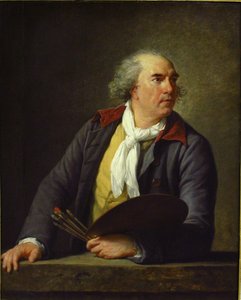
At the heart of the Musée des Beaux-Arts’ renown lies its extraordinary collection, meticulously curated to showcase pivotal moments in Spanish art history. Dominating the gallery's narrative are masterpieces crafted by titans such as Diego Velázquez, Francisco Goya, and Joaquín Sorolla—artists whose stylistic innovations irrevocably shaped artistic discourse and captivated audiences across generations. Visitors embark on a chronological odyssey, tracing their creative trajectories through time and observing how techniques adapted to mirror shifting societal currents. Consider Velázquez’s “Autorretrato,” a hauntingly intimate portrayal rendered with masterful chiaroscuro – the dramatic interplay of light and shadow—a technique perfected by the maestro himself. Similarly, Sorolla's "A la Agua," bathed in luminous sunlight, captures the ethereal beauty of Valencia’s coastline, embodying the spirit of Impressionism at its zenith.
Architectural Grandeur: The Palacio San Pío V – A Canvas for Art
The Museo’s setting is as captivating as its collection. Constructed originally for ecclesiastical purposes—the Palacio San Pio V—its opulent interiors are adorned with frescoes depicting biblical scenes and embellished with gilded ornamentation, creating a breathtaking backdrop for the artworks displayed within. This palace embodies Baroque splendor, reflecting Valencia's aristocratic past and serving as an enduring symbol of cultural prestige. Examining its architectural design reveals insights into the artistic sensibilities prevalent during its construction – a period marked by grandeur, theatricality, and a fervent devotion to visual spectacle.
Historical Context: Preservation Through Time
The Musée des Beaux-Arts’ story intertwines with Valencia's broader history—a narrative punctuated by periods of artistic flourishing and intellectual renewal. Founded in the late nineteenth century, its establishment represents a deliberate effort to safeguard Valencian artistic heritage and disseminate knowledge about Spain’s rich cultural legacy. The museum’s evolution mirrors the city’s commitment to fostering creativity and celebrating artistic achievement, cementing Valencia's position as a beacon for preserving Spanish artistic traditions.
Notable Exhibitions & Artistic Movements: Expanding Horizons
Throughout its history, the Musée des Beaux-Arts has hosted exhibitions that have propelled artistic discourse and captivated audiences worldwide. Recurring themes explore movements such as Impressionism and Surrealism—artists grappling with ideas about perception and emotion—prompting contemplation on how art reflects and shapes human experience. Don’t miss Henri Matisse's “Saint Tropez Grenoble,” showcasing Fauvist techniques with bold colors and expressive brushstrokes – a daring departure from academic conventions that signaled the dawn of a new artistic era. Furthermore, immerse yourself in Rubens’ “Le Coup de Lance,” a stirring depiction of the crucifixion—a masterpiece embodying Baroque emotional intensity—and contemplate François Auguste Biard's "Le salon de M. le comte de Nieuwerkerke," a monumental oil painting exemplifying Baroque style and its dramatic use of light and shadow.
Accessibility & Impact: A Legacy of Artistic Engagement
The Musée des Beaux-Arts’ unwavering dedication to free admission underscores its fundamental mission—to foster artistic appreciation and promote cultural understanding among all visitors. Its substantial scale ensures an immersive experience for art enthusiasts, solidifying Valencia's reputation as a vital hub for preserving Spanish artistic heritage and inspiring future generations to embrace the transformative power of art. A visit to this Valencian institution is more than merely observing artworks; it’s embarking on a journey through time—a celebration of creativity and cultural legacy that resonates deeply with anyone who cherishes beauty and intellectual curiosity.