


Una joya oculta del arte del Jura: El alma de Lons-le-Saunier
Enclavado en el abrazo verdeante de las pintorescas montañas del Jura, el Musée des Beaux-Arts Lons-le-Saunier se erige como un profundo testimonio del patrimonio artístico regional, ofreciendo un viaje cautivador a través de las texturas de la escultura y la pintura del siglo XIX. Más que un mero repositorio de artefactos, este museo es una experiencia inmersiva: un santuario silencioso y contemplativo donde la belleza ha sido moldeada por maestros como Jean-Joseph Perord y Max Claudet. Para el amante del arte exigente o el diseñador de interiores que busca inspiración más allá de las concurridas salas de las capitales metropolitanas, esta institución ofrece una mirada excepcional a un mundo donde el arte y el paisaje están inextricablemente unidos.
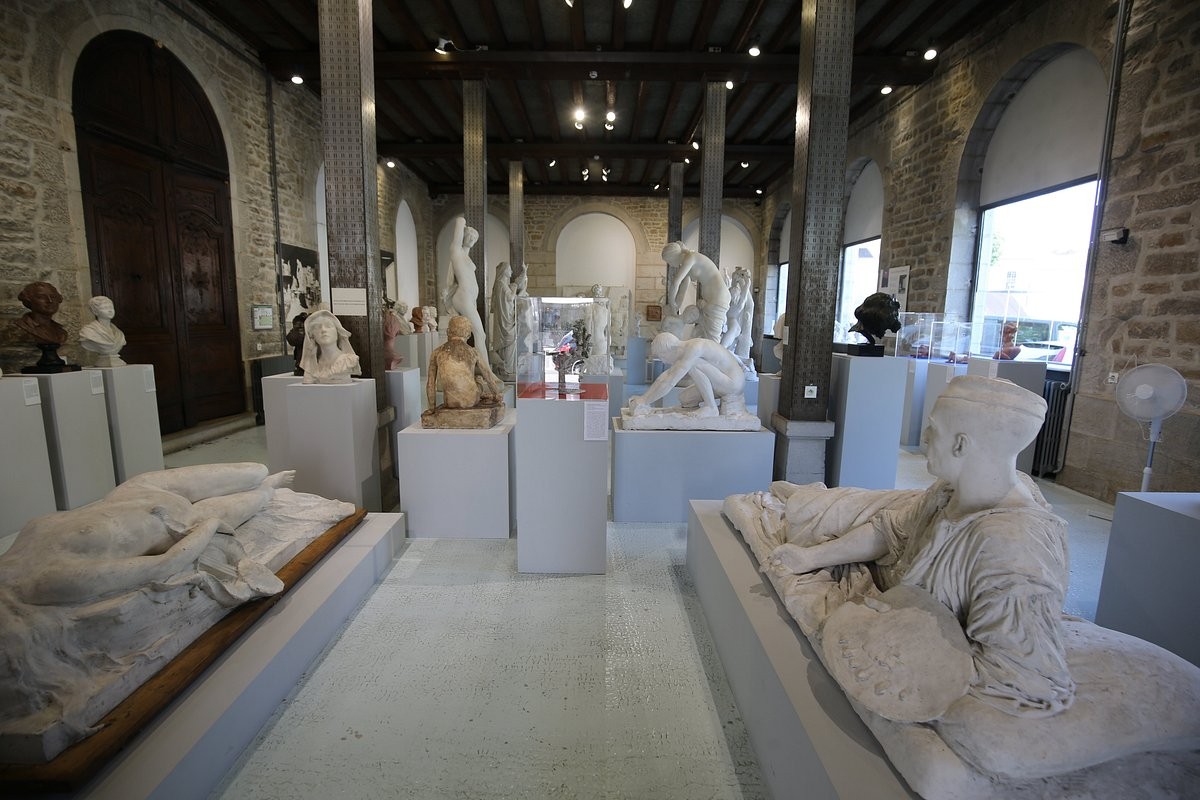
La fuerza central del museo reside en su magnífico conjunto de esculturas del siglo XIX, que dotan de vida a los espacios de la galería con su presencia monumental. Las obras de Jean-Joseph Perraud y Max Claudet dominan la colección, actuando como pilares de la identidad del Jura. Estas piezas ejemplifican los matices estilísticos de su época, fusionando magistralmente la elegancia del Neorrococo con la gracia disciplinada de las influencias Neoclásicas . Detenerse ante estas figuras es presenciar una conexión profunda entre la técnica artística y los valores culturales de las montañas, donde cada curva de la piedra y cada fundición de bronce reflejan una dignidad arraigada y una reverencia por el mundo natural.
Un tapiz de luz, realismo y romanticismo
Más allá de la fuerza táctil de su escultura, el Musée des Beaux-Arts alberga una notable colección de pinturas que recorren las eras transformadoras del Romanticismo y el Impresionismo. Las galerías invitan a los visitantes a deambular entre paisajes dramáticos e íntimos retratos que dicen mucho sobre la condición humana. Uno podría perderse en el simbolismo alegórico de Pieter Brueghel el Joven , cuyas obras presentan narrativas complejas tejidas en vistas panorámicas, o conmoverse ante la honestidad inquebrantable de Gustave Courbet . Como pionero del Realismo, la capacidad de Courbet para capturar la vida cruda y cotidiana de la Francia rural proporciona un contrapunto sorprendente a los movimientos más etéreos y bañados por la luz que le sucedieron, creando un diálogo entre el comentario social y la pura emoción estética.
El entorno arquitectónico del museo realza aún más este diálogo artístico. El edificio en sí es una mezcla armoniosa de estilos característicos de Lons-le-Saunier, construido a finales del siglo XIX para reflejar la grandeza del movimiento Beaux Arts , manteniendo al mismo tiempo elementos vernáculos regionales esenciales. Este equilibrio cuidadoso entre la ornamentación señorial y una calidez acogedora crea una atmósfera donde la luz y la sombra juegan sobre las paredes, complementando las texturas de las obras expuestas. Es un espacio diseñado no solo para albergar arte, sino para elevarlo, proporcionando un ritmo estructural que refleja la excelencia curatorial en su interior.
Un legado vivo de curaduría e intimidad
Lo que realmente distingue al Musée des Beaux-Arts Lons-le-Saunier de sus homólogos más grandes es su dedicación al pulso vivo de la historia del arte a través de exposiciones rotativas. Estas muestras temporales son vitales, pues introducen perspectivas frescas y voces menos conocidas que estimulan la reflexión crítica y el diálogo tanto entre académicos como entre entusiastas. Al evolucionar constantemente, el museo asegura que sus tesoros históricos sean siempre vistos a través de un lente contemporáneo, fomentando una conexión continua entre el pasado y el presente.
Para los coleccionistas y decoradores que buscan una sensación de intimidad en medio de la grandeza, este museo ofrece un santuario sin igual. Es un lugar donde uno puede demorarse sin las prisas de las multitudes, permitiendo una conexión profunda y personal con cada obra maestra. En los rincones tranquilos del Jura, el Musée des Beaux-Arts nos recuerda que la verdadera importancia artística no requiere del ruido de una metrópolis; más bien, florece en espacios de curaduría reflexiva y belleza perdurable.


