Menú
Asesoría de arte gratuita

Musee des Beaux-Arts

Información clave

  • Art types: arte de pared
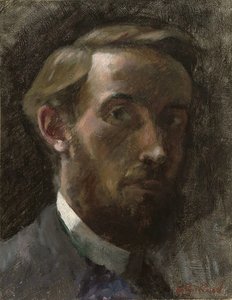
  • Featured artists: Jean-Édouard Vuillard
  • Mediums: acrílico sobre lienzo
  • Location: Argelia, Algeria
  • Ver más…
  • Alternate names:
    • Musée National des beaux-arts dAlger
    • Museo Nacional de Bellas Artes de Argel
    • Museo Nacional de Arte
    • Musée national des Beaux-Arts dAlger
    • Museo de Bellas Artes
  • Movements: post-impressionismo
  • Works on APS: 1

Test de arte

Cada pregunta tiene una única respuesta correcta.

Pregunta 1:
¿Cuál es el museo más importante de Argelia conocido por albergar una colección impresionante de obras maestras europeas y argelinas?
Pregunta 2:
¿Cuántas obras de arte aproximadamente alberga el Museo Nacional de Bellas Artes?
Pregunta 3:
¿Qué evento histórico significativo marcó la historia del museo cuando más de 300 obras fueron temporalmente trasladadas al Museo del Louvre?
Pregunta 4:
¿Qué característica distintiva diferencia el enfoque artístico del museo en comparación con otras instituciones culturales?
Pregunta 5:
¿Dónde está ubicado estratégicamente el Museo Nacional de Bellas Artes?

A Window into Algerian Art History: Exploring the Musée National des Beaux-Arts d'Alger

The Musée National des Beaux-Arts d’Alger stands as a testament to Algeria’s artistic spirit and its journey through colonialism and independence—a beacon illuminating both European grandeur and indigenous creativity. Established in 1930, this sprawling institution isn’t merely a repository of artworks; it’s a living chronicle of cultural exchange and national identity. Situated adjacent to the tranquil Hamma test garden, its architectural setting subtly underscores the museum's role as a sanctuary for artistic treasures.

A Diverse Collection Reflecting Global Influences

The museum’s collection boasts over 8,000 pieces spanning painting, drawing, sculpture, decorative arts, ceramics, and even a fascinating numismatic collection—a remarkable panorama of artistic expression across centuries. Visitors embark on an immersive exploration beginning with European masters – Monet's serene landscapes capturing the Seine’s ethereal beauty alongside Delacroix’s dramatic depictions of historical events like “Liberty Leading the People.” The influence of Impressionism is palpable, mirroring broader trends in European art during its formative years. Alongside these luminaries stand Algerian artists such as Baya and Yellès, whose works offer poignant glimpses into daily life and cultural traditions—a crucial counterpoint to the Western canon. Sculptors like Rodin, Bourdelle, and Belmondo contribute monumental pieces that embody artistic innovation and humanist ideals. The meticulous curation ensures that each artwork speaks volumes about its era and reflects the evolving tastes of discerning collectors.

A Pivotal Moment in Artistic Repatriation

The museum’s history is inextricably linked to Algeria's tumultuous past. Notably, during the turbulent years of 1962, amidst political unrest following Algerian independence, over 300 artworks were temporarily entrusted to the Louvre Museum in Paris—a poignant illustration of geopolitical complexities. Thankfully, through diligent diplomatic efforts and heartfelt negotiations, these masterpieces returned to Algerian soil by 1970, symbolizing a triumphant reclamation of cultural heritage and reaffirming Algeria’s commitment to preserving its artistic legacy. This repatriation event cemented the museum's significance as more than just an aesthetic institution; it represented a profound assertion of national pride—a symbol of resilience against adversity and a celebration of Algerian identity.

Notable Exhibitions & Artistic Legacy

Throughout its history, the Musée National des Beaux-Arts has hosted groundbreaking exhibitions showcasing both Algerian and international artists—events that have captivated audiences and stimulated critical discourse on art history and cultural interpretation. Recurring themes explore artistic movements from Romanticism to Surrealism, fostering a deeper understanding of stylistic evolution and artistic innovation. Furthermore, the museum actively promotes artistic education and fosters collaborations with universities and research institutions, ensuring that Algeria’s artistic heritage continues to inspire future generations. Its commitment to scholarship extends beyond mere display; it champions dialogue between disciplines and encourages visitors to contemplate the broader context of artistic creation.

What Sets It Apart: Bridging Cultures & Preserving Tradition

Ultimately, what distinguishes the Musée National des Beaux-Arts d'Alger is its unparalleled ability to illuminate the dialogue between European and Algerian artistic traditions—a perspective rarely found elsewhere in Africa. Its architectural location within Hamma test garden adds to its charm and serenity. More than just displaying artworks, it fosters contemplation and invites visitors to engage with narratives of resilience and cultural transformation. As one of Africa’s largest art museums, it stands as a vital custodian of Algerian artistic heritage—a place where beauty transcends borders and history speaks through enduring masterpieces. The museum's curators strive to present these traditions not as mutually exclusive entities but as interconnected influences shaping the artistic landscape across continents.