Menú
Asesoría de arte gratuita

Musée de l’Évêché

Información clave

  • Alternate names:
    • Musée de lÉvèché
    • Museo del obispado
    • Museo de Arte Fino de Limoges
    • Musee de lEveche
    • BAL
  • Featured artists: léonard limosin
  • Works on APS: 1
  • Location: Limoges, Francia

Test de arte

Cada pregunta tiene una única respuesta correcta.

Pregunta 1:
¿Qué caracteriza principalmente al Museo de l’Évêché?
Pregunta 2:
¿Desde qué período abarca la colección excepcional de bellas artes del Museo de l’Évêché?
Pregunta 3:
¿Qué estilo artístico destaca especialmente en la colección del museo?
Pregunta 4:
¿Qué diferencia al Museo de l’Évêché de otros museos en Francia?
Pregunta 5:
¿Qué otro tipo de patrimonio artístico presenta el Museo de l’Évêché además de los esmaltes de Limoges?

A Jewel of Haute-Vienne: Exploring the Musée de l’Évêché’s Artistic Legacy

Nestled within the historic bishops’ palace of Limoges, France, lies a museum unlike any other – the Musée de l'Évêché. More than just a repository of artworks; it’s an immersive experience transporting visitors back through centuries of artistic innovation and regional identity. Founded in 1874 by Bishop Louis-Marie Hippolyte Dubois, the palace itself stands as a testament to architectural grandeur and embodies the spirit of Limoges's enduring connection to faith and culture.

The Enamel Legacy: A Global Treasure

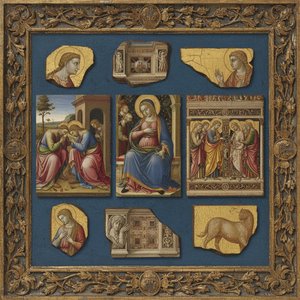
At the heart of the Musée de l’Évêché’s renown rests its extraordinary collection of Limoges enamel – arguably the most significant assemblage globally. These intricately crafted pieces, adorned with vibrant hues and symbolic motifs reflecting medieval beliefs and artistic prowess, offer a window into a unique craft tradition that flourished for centuries. From delicate floral patterns to elaborate depictions of saints and biblical scenes, each enamel exemplifies unparalleled skill and artistry. The museum’s curators have painstakingly reconstructed environments mirroring monastic life, allowing visitors to appreciate the artistic context of these remarkable artifacts. Examining these pieces reveals not only technical mastery but also profound spiritual symbolism—a testament to Limoges's role as a center for religious art during the Middle Ages.

Medieval Treasures Illuminated: Echoes of Faith and Artistic Expression

Delve into the region’s past with captivating displays showcasing illuminated manuscripts, sculptures, and ecclesiastical relics. The museum’s curators have painstakingly reconstructed environments mirroring monastic life, allowing visitors to appreciate the artistic context of these remarkable artifacts. These treasures—produced during a period marked by fervent piety and intellectual curiosity—demonstrate the transformative power of art in conveying religious ideas and aesthetic ideals. Detailed reconstructions highlight the painstaking techniques employed by medieval artisans, fostering an understanding of their creative vision and cultural values.

Masters of Impressionism: Renoir & Valadon’s Vision

Beyond its exceptional enamel collection, the Musée de l’Évêché boasts a broader artistic panorama encompassing Fine Arts from the 14th to the early 20th centuries. Notable artists represented include Pierre-Auguste Renoir and Valadon—whose canvases exemplify Impressionist techniques—a stylistic shift that dramatically altered the landscape of European painting. Visitors can admire Renoir’s luminous landscapes and portraits, capturing fleeting moments of beauty with masterful brushstrokes and a keen sensitivity to light and color. Similarly, Valadon's evocative depictions of female figures explore themes of femininity and artistic experimentation, reflecting the avant-garde spirit of the Belle Époque.

The Palace: A Monumental Reflection of Limoges’s History

The palace’s revival in the late 19th century reflects a broader trend toward neoclassical elegance. Its soaring ceilings, ornate stucco decorations, and meticulously landscaped gardens contribute to an atmosphere conducive to contemplation and artistic appreciation. Constructed originally as residence for the bishop, it underwent significant renovations following the Franco-Prussian War and subsequent periods of upheaval—a process that ensured its preservation while adapting it to modern museum needs. Exploring the palace’s architectural spaces provides invaluable insight into Limoges's social and cultural history during a pivotal era. ### Recent Exhibitions & Ongoing Engagement: A Commitment to Artistic Dialogue Recent exhibitions have shone a spotlight on themes of pilgrimage and spirituality, furthering the museum’s mission to foster dialogue between art and faith. Collaborations with international institutions ensure that Limoges’s artistic heritage continues to inspire scholars and artists alike. The Musée de l'Évêché remains committed to preserving its treasures and sharing them with audiences worldwide—a legacy destined to endure for generations to come.