Un Tapiz del Tiempo: El Alma de Niort
En el corazón de Niort, donde las suaves corrientes de la historia se encuentran con el pulso vibrante de la cultura moderna, se erige el Musée Bernard D’Agesci —un santuario que trasciende los límites tradicionales de un museo. Cruzar sus puertas es adentarse en un diálogo multidisciplinar entre el pasado y el presente. Alojado dentro de un magnífico edificio de estilo Beaux-Arts, erigido originalmente en 1897, el museo sirve como una crónica viva de la evolución intelectual de Niort. El propio edificio, una obra maestra diseñada por el arquitecto Georges André Lasseron , cautiva la atención con su grandeza neoclásica y sutiles toques modernistas. Su fachada, adornada con exquisitos azulejos de fayenza y terracota, refleja una elegancia parisina de finales del siglo XIX que promete un viaje inmersivo incluso antes de entrar en las galerías.
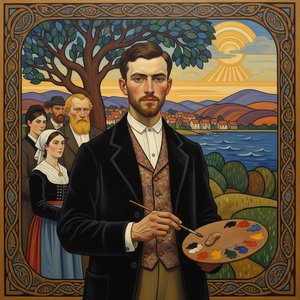
La identidad del museo está profundamente arraigada en el legado de su homónimo, Augustin Bernard , conocido como Bernard d’Agesci . Pintor y escultor célebre cuya vida abarcó la turbulenta transición desde el esplendor del Antiguo Régimen hasta la energía transformadora de la Revolución Francesa, d’Agesci encarnó el espíritu del progreso artístico. El museo nació de un deseo visionario de consolidar tesoros dispares —bellas artes, música, etnografía y historia natural— en una narrativa única y cohesiva. Esta ambiciosa unificación permite una exploración panorámica y excepcional de la creatividad humana, donde los visitantes no solo observan el arte, sino que son testigos de la interconexencia de la vida.
Un Caleidoscopio de la Expresión Humana
Las colecciones que alberga no son menos que un profundo testimonio de maestría pictórica y asombro científico. El ala de bellas artes ofrece una inmersión profunda en las texturas de la historia, que van desde narrativas religiosas e históricas hasta paisajes más románticos. Para el ojo perspicaz o el diseñador de interiores que busca inspiración, el museo proporciona una riqueza de profundidad visual a través de sus diversas posesiones. Este viaje artístico se complementa bellamente con un intrigante conjunto de artefactos musicales, centrados en el legado del luthier Auguste Tolbecque , y una colección de historia natural que celebra el patrimonio ecológico del paisaje local.
Lo que verdaderamente distingue a esta institución es su rara convergencia de disciplinas. Es uno de los pocos lugares prestigiosos en albergar un taller nacional para la restauración de pinturas, asegurando que las obras maestras del ayer se preserven meticulosamente para las generaciones del mañana. A través de exposiciones cuidadosamente seleccionadas que tienden puentes entre los contextos históricos y las sensibilidades modernas —como las recientes exploraciones sobre el romanticismo de Debia Bernard Prosper —el museo continúa fomentando una conexión profunda entre el arte y la comunidad. Sigue siendo un destino singular donde lo científico, lo melódico y lo visual armonizan para crear un encuentro con la esencia misma del alma artística de Niort.