Rowland Davidson (1942-present) is a renowned Northern Irish artist celebrated for his evocative depictions of rural life, portraits & landscapes. Explore his paintings of Ulster's communities.
Lisburn Museum & Irish Linen Centre: A Tapestry of Heritage and Artistic Expression
Lisburn Museum & Irish Linen Centre stands as a testament to Northern Ireland’s enduring legacy – specifically, its pivotal role in the global linen industry and its blossoming contemporary art scene. Situated within the striking Lisburn Civic Centre, this institution seamlessly blends architectural grandeur with immersive storytelling, offering visitors an unforgettable encounter with both tangible history and creative innovation.
Exploring the Threads of Irish Linen History
At the heart of Lisburn Museum’s mission lies a captivating exploration of Irish linen – a journey from the humble flax plant to the exquisite fabrics that adorned palaces and sailed across oceans. Exhibits meticulously recreate the processes of cultivation, spinning, weaving, and finishing, allowing visitors to grasp the sheer scale of this industry’s impact on Northern Ireland's economy and culture. Antique looms dominate the space, alongside samples of linen textiles showcasing remarkable craftsmanship and detailing—a tangible connection to centuries past. Detailed diagrams illustrate the evolution of flax processing techniques from Roman times through the Industrial Revolution, highlighting innovations that propelled Irish linen production to prominence worldwide. The museum’s curators have painstakingly reconstructed workshops using original tools, transporting visitors back in time to experience firsthand the dedication and skill required for this venerable craft.
Lisburn City: A Chronicle Etched in Stone
Beyond the textile narrative, Lisburn Museum delves into the history of Lisburn City itself. Trace its evolution from a modest settlement—originally known as Lisnagarvy—to a thriving market town strategically developed by English colonists in the 17th century and finally recognized as a city in the 20th. Interactive displays illuminate the challenges faced during periods of industrial upheaval and celebrate moments of civic pride, showcasing portraits of influential figures who shaped the region’s identity. The museum chronicles Lisburn's role in shaping Northern Ireland's political landscape, emphasizing its significance as a center for trade and governance throughout history.
The Huguenot Legacy: Innovation Born from Exile
Lisburn Museum recognizes the profound influence of Huguenot refugees who arrived during the 18th century—bringing their expertise and experience to the linen industry. These skilled artisans revitalized weaving techniques, introducing new patterns and designs that elevated Irish linen’s reputation for quality and artistry. Exhibits explore the Huguenot settlement's contribution to Lisburn’s cultural vibrancy, showcasing examples of decorative arts reflecting European influences alongside traditional Ulster traditions. The museum emphasizes how intercultural exchange fostered creativity and propelled advancements in textile production—a legacy that continues to resonate today.
A Celebration of Contemporary Art
Recognizing the importance of artistic dialogue across time, Lisburn Museum regularly hosts exhibitions featuring works by local artists—a vibrant counterpoint to its historical collections. These showcases demonstrate how creativity continues to thrive within the region’s cultural landscape, fostering appreciation for contemporary perspectives alongside a deep understanding of heritage. The museum's curators actively seek out emerging talent and promote artistic engagement within the community, ensuring that Lisburn Museum remains relevant to audiences across generations.
The museum’s architectural setting – Lisburn Civic Centre – is itself noteworthy. Designed in the mid-20th century, it embodies modernist principles while simultaneously serving as a symbol of civic pride and progress. Its spacious halls provide an ideal backdrop for displaying art and facilitating educational programs—a deliberate choice to reinforce the institution's commitment to fostering intellectual curiosity and community engagement. The building’s striking geometric design reflects the values of innovation and collaboration that underpin Lisburn Museum & Irish Linen Centre’s mission, creating a space where history and artistry converge in harmonious beauty.
Por el equipo editorial de OriginalUniqueArt.com
Cuestionario de arte
Cada pregunta tiene una única respuesta correcta.
Pregunta 1:
¿Cuál es el enfoque principal del Museo de Lisburn y el Centro de Lino Irlandés?
Pregunta 2:
¿Qué evento histórico influyó significativamente en el desarrollo de Lisburn?
Pregunta 3:
¿Cómo se caracteriza el Centro Cívico de Lisburn?
Pregunta 4:
¿Qué ofrece el museo para involucrar a los visitantes en la historia del lino irlandés?
Pregunta 5:
¿Quiénes son los artistas que presentan obras en las exposiciones del museo?
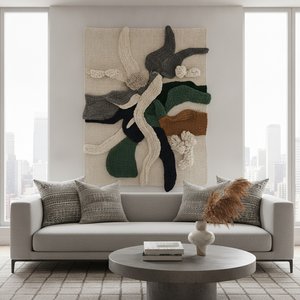
Discover why textile art is the next major trend in interior design. Explore how tactile fibers, bold textures, and sustainable mixed media are redefining modern urban spaces and bringing high-impact energy to contemporary collections.
Embark on a sophisticated journey through the tactile realm of textile art. Unveil the historical evolution from utilitarian craft to museum-grade masterpieces, exploring the intricate textures and legendary artists that redefine the boundaries of fine art.
Descubre el Renacimiento Septentrional y la maestría de los Primitivos Flamencos. Explora sus técnicas innovadoras, simbolismo oculto y obras icónicas con OriginalUniqueArt.
OAsistente de estudioEn línea · responde en un minuto
¡Hola! Puedo ayudarte a elegir una obra de arte, realizar el seguimiento de un pedido o resolver tus dudas sobre la garantía. ¿En qué puedo ayudarte hoy?