Una visión victoriana hecha realidad: El alma de Port Sunlight
Cruzar las puertas de la Galería de Arte Lady Lever es trascender la era moderna para adentrarse en un sueño meticulosamente curado del siglo XIX. Enclavado en la idílica aldea modelo de Port Sunlight, este santuario de la cultura sirve como un profundo testimonio del corazón filantrópico de William Hesketh Lever. Más que un mero repositorio de objetos preciosos, la galería fue concebida como un componente esencial de un experimento social de mayor envergadura: una forma de entretejer la belleza y el enriquecimiento estético en el tejido mismo de la vida industrial. Al recorrer sus pasillos, se despliega la atmósfera de una fastuosa finca aristocrática, invitando a los visitantes a perderse en las opulentas texturas y las sensibilidades románticas de una época pasada.
La arquitectura misma, diseñada por William James Neatby, actúa como un gran escenario para los tesoros que alberga. El edificio es una obra maestra de la grandeza victoriana, donde techos altísimos están adornados con intrincados yesos que capturan la luz, y las paredes se visten con profundos y regios tonos carmesí y oro. Esta elección deliberada de diseño crea un entorno inmersivo, asegurando que cada pintura y cada pieza de porcelana se aprecie dentro de un contexto de esplendor histórico. Para el amante del arte o el diseñador de interiores, la galería ofrece una clase magistral sin igual sobre la atmósfera de época, demostrando cómo la arquitectura y la decoración pueden armonizar para elevar la experiencia de contemplación de las bellas artes.
Sueños prerrafaelitas y maravillas cerámicas
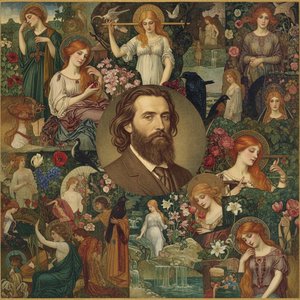
El corazón de la colección late con mayor vibrante intensidad en su conjunto de obras maestras prerrafaelitas. Aquí, el rechazo a la rigidez académica es palpable en cada pincelada. La galería alberga obras impresionantes de luminarias como John Everett Millais, Dante Gabriel Rossetti y Edward Burne-Jones, cuyos lienzos priorizan un realismo inquietantemente bello y una narrativa lírica. Uno no puede evitar sentir una sensación de asombro melancólico al detenerse ante la Ophelia de Millais, donde el detalle meticuloso de la flora fluvial refleja el peso trágico del tema. Estas pinturas no se limitan a representar escenas; evocan estados emocionales profundos, convirtiéndose en iconos atemporales para coleccionistas que buscan profundidad y poder narrativo.
Sin embargo, la brillantez de la galería se extiende mucho más allá del lienzo. Un aspecto verdaderamente singular de esta institución es su incomparable colección de jasperware de Wedgwood. Esta exquisita loza de porcelana, caracterizada por sus delicados relieves y acabados suaves y mate, representa la cúspiente de la maestría artística industrial victoriana. Estos jarrones, figuritas y piezas de vajilla ofrecen una conexión táctil con la artesanía de Stoke-on-Trent, mostrando una fascinación por los motivos clásicos que continúa inspirando las artes decorativas contemporáneas. Al combinarse con la suntuosa colección de muebles de caoba, fina plata e intrincados textiles de la galería, el resultado es una celebración holística del gusto victoriano.
Un legado de descubrimiento y gracia académica
Más allá de sus fondos permanentes, la Galería de Arte Lady Lever sigue siendo una institución viva y palpitante, dedicada a la exploración continua de la historia del arte. El compromiso del museo con la investigación académica garantiza que su colección nunca sea estática; por el contrario, se recontextualiza constantemente a través de exposiciones estimulantes. Investigaciones académicas recientes han profundizado en las sutiles influencias de la estética japonesa en los maestros británicos y en el papel vital, y a menudo ignorado, del mecenazgo femenino en la configuración del panorama artístico del siglo XIX. Esta dedicación a descubrir nuevas perspectivas asegura que la galería siga siendo un destino esencial tanto para historiadores como para entusiastas.
Para quienes buscan inspiración, el museo ofrece mucho más que un recorrido histórico; proporciona un encuentro sensorial con el poder perdurable de la belleza. Ya sea que uno se sienta atraído por el idealismo romántico de la Hermandad Prerrafaelita o por la refinada elegancia de las artes decorativas victorianas, la Galería de Arte Lady Lever se erige como un recordatorio conmovedor de que el arte posee la capacidad única de moldear nuestra comprensión de la experiencia humana. Permanece como un faro de enriquecimiento cultural, preservando el magnífico legado de su fundador mientras continúa encendiendo la imaginación de cada visitante que recorre sus legendarios salones.