Kunstmuseum Winterthur: A Journey Through Modern Art’s Evolution
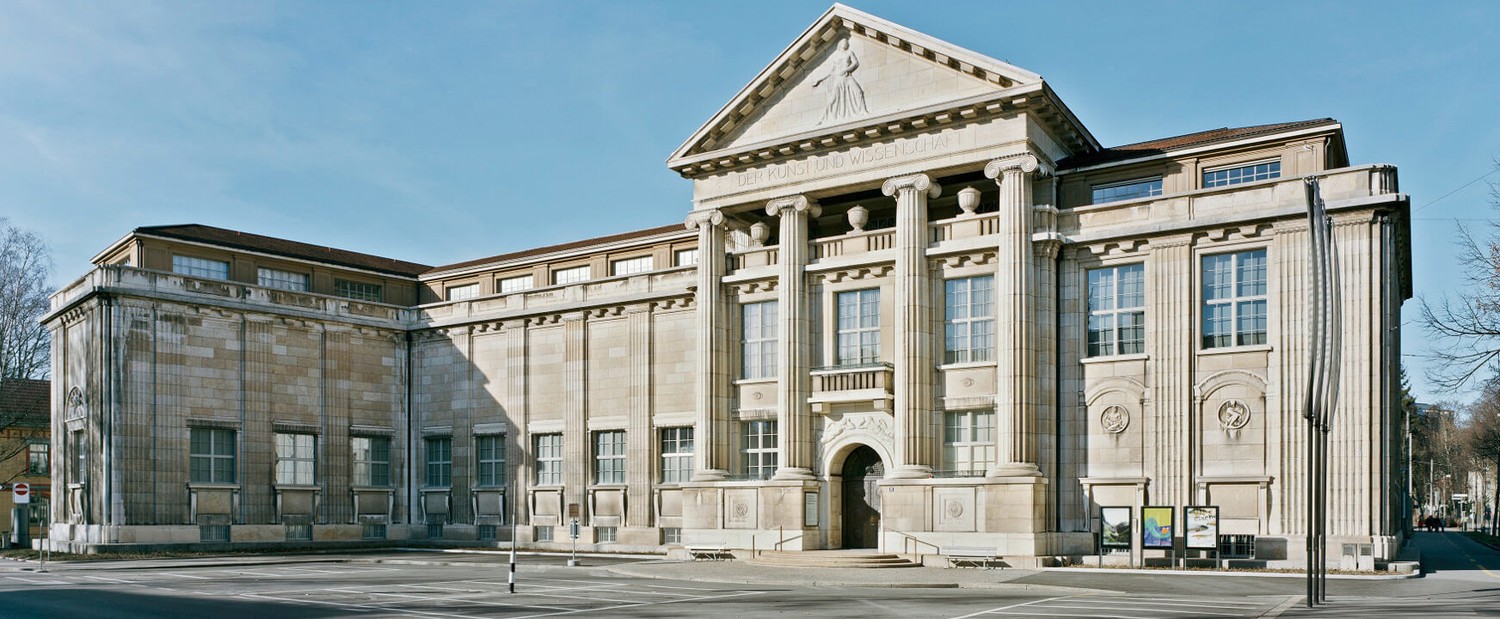
Kunstmuseum Winterthur stands as a testament to Switzerland's dedication to preserving and celebrating artistic heritage. Established in 1915 by the Kunstverein Winterthur, it began its mission with an unwavering focus on contemporary art—a commitment that continues to shape its identity today. More than just a repository of masterpieces, it’s a dynamic institution actively engaged in fostering dialogue between past and present, housed within three architecturally distinct buildings that contribute significantly to its immersive experience.
-
Impressions & Beyond: The Core Collection
-
Architectural Diversity: Three Buildings, One Vision
-
Notable Exhibitions: Illuminating Artistic Discourse
The museum’s cornerstone lies in its extraordinary collection of Impressionism and Post-Impressionism, spearheaded by luminaries like Claude Monet, Vincent van Gogh, Alfred Sisley, and Paul Cézanne. These artists captured fleeting moments of light and color with unparalleled sensitivity—a technique that profoundly influenced subsequent generations of painters. Notable pieces include “Low Tide,” depicting the tranquil beauty of Hampton Court Bridge, "Horse chestnuts of Jas de Bouffan," showcasing Cézanne’s masterful observation of nature, and “Dandelions,” a poignant portrayal of rural life imbued with Vincent van Gogh's expressive brushstrokes. The Impressionist gallery houses iconic works that exemplify Monet’s revolutionary approach to painting—a legacy that resonates powerfully within Kunstmuseum Winterthur’s walls.
-
Notable Exhibitions: Illuminating Artistic Discourse
Complementing the main building is Reinhart am Stadtgarten, designed by Gigon/Guyer in 1995, providing a spacious environment for exhibitions and showcasing the museum’s evolving collection. The architectural design prioritizes natural light—a deliberate choice that enhances the viewing experience and underscores Kunstmuseum Winterthur's commitment to presenting art in its most luminous form. Visitors can explore groundbreaking artistic movements alongside engaging narratives—a truly enriching encounter with cultural heritage.
-
Architectural Diversity: Three Buildings, One Vision
Finally, Villa Flora offers another venue to immerse oneself in the breadth of Kunstmuseum Winterthur's artistic offerings. This historic residence embodies elegance and sophistication—reflecting the tastes of its original owners and serving as a symbol of Switzerland’s cultural tradition. The villa’s interior spaces are thoughtfully designed to complement the museum’s collection, creating an environment that stimulates contemplation and inspires appreciation for visual artistry. Kunstmuseum Winterthur distinguishes itself through its meticulously curated collection—a chronicle of modern art’s evolution—and its architectural trifecta. It invites visitors to contemplate pivotal moments in artistic history while simultaneously discovering the vibrancy of contemporary creativity. Like “The Pont Neuf” by Félix Vallotton and “Regatta at Hampton Court” by Alfred Sisley, these artworks exemplify Kunstmuseum Winterthur's commitment to presenting exceptional pieces alongside engaging narratives—a truly enriching experience for anyone passionate about art.
-
Architectural Diversity: Three Buildings, One Vision
The museum’s history is marked by a steadfast dedication to showcasing groundbreaking artistic movements. From its initial embrace of Impressionism, it progressed through Les Nabis, Post-War Art, and the contributions of influential figures like Richard Hamilton, Mario Merz, and Gerhard Richter—artists who challenged conventions and redefined artistic expression. Kunstmuseum Winterthur’s curators actively strive to foster intellectual engagement by presenting exhibitions that explore connections between past masters and emerging talent—a testament to its enduring role as a beacon of cultural innovation.