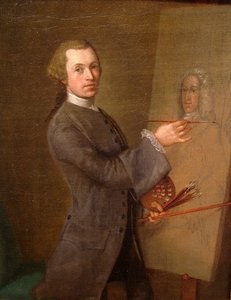
Descubre a Henry Raeburn (1756-1823), pionero retratista escocés. Explora su legado, técnica y obras maestras en OriginalUniqueArt: un arte que captura la esencia.
Explore las evocadoras pinturas de paisajes y vida rural de William Darling McKay (1844-1924). Al capturar escenas escocesas, su obra refleja el realismo victoriano.
Enclavada en el corazón histórico de Haddington, la Casa John Muir se erige como algo más que una mera reliquia arquitectónica; es un portal profundo hacia los años formativos de un hombre cuyo espíritu transformó nuestra percepción global de lo salvaje. Diseñada por el estimado arquitecto William Burn en 1832, la estructura ejemplifica el estilo Tudor Revival, con su fachada de piedra simétrica que ofrece una sensación de resiliencia perdurable, reflejando los mismos paisajes que Muir buscó proteger. Lo que alguna vez sirvió como edificios del condado sobre el sitio de un antiguo palacio real, ha experimentado una evolución —de ser una sede de poder administrativo a convertirse en un santuario para la memoria histórica— que narra la historia de los valores cambiantes de Escocia, transitando desde la grandeza de la realeza hacia una profunda reverencia por el mundo natural. La arquitectura misma, con su uso deliberado de la piedra y sus proporciones clásicas, proporciona un escenario digno para la íntima historia que alberga en su interior.
La Intimidad del Descubrimiento: La Colección
Al cruzar su umbral, uno entra en un entorno donde la historia no solo se observa, sino que se siente a través de una colección de artefactos notablemente íntima. A diferencia de instituciones más grandiosas que abruman por su escala, la Casa John Muir cautiva mediante los detalles conmovedores de una vida vivida en busca de la belleza. Se invita a los visitantes a trazar los contornos de la filosofía en desarrollo de Muir a través de su correspondencia personal y sus primeros escritos, donde las cartas manuscritáritas revelan una convicción inquebrantable en la santidad de la naturaleza. Para el amante del arte o el coleccionista exigente, la colección ofrece un viaje sensorial hacia los orígenes del pensamiento ambiental:
Ecos Fotográficos:
Primeras impresiones fotográficas del Valle de Yosemite, que capturan los majestuosos acantilados de granito y las cascadas que alguna vez encendieron el alma de Muir.
La Palabra Escrita:
Cuadernos y bocetos meticulosos que documentan sus observaciones juveniles del paisaje escocés con precisión científica y gracia poética.
Reliquias Personales:
Objetos que cierran la brecha entre el legendario conservacionista y el niño que vagaba por las colinas de East Lothian, ofreciendo una conexión tangible con un espíritu inquieto.
Un Santuario para el Alma Moderna
Más allá de sus méritos históricos y arquitectónicos, el museo sirve como un lugar de peregrinación, ofreciendo una quietud que es cada vez más rara en nuestra era moderna. La atmósfera dentro de estos muros de piedra evoca una sensación de paz, quizás un reflejo de la tranquilidad que Muir encontró entre la naturaleza indómita de Escocia. Es un espacio donde el paisaje de East Lothian —sus colinas onduladas y vistas costeras— se encuentra con el legado global del Sierra Club. Para los diseñadores de interiores y aquellos que curan espacios de inspiración, el museo se presenta como una clase magistral sobre cómo el entorno moldea la identidad. Visitar la Casa John Muir es entablar un diálogo con el pasado, encontrando en sus salones las semillas de un movimiento que continúa defendiendo la protección de los tesoros más preciosos de nuestro planeta. Sigue siendo un destino esencial para quienes buscan comprender cómo la pasión de un solo individuo puede florecer hasta convertirse en una cruzada global por la conservación.
Por el equipo editorial de OriginalUniqueArt.com
Cuestionario de arte
Cada pregunta tiene una única respuesta correcta.
Pregunta 1:
¿Cuál fue el papel principal de John Muir en la creación de los parques nacionales estadounidenses?
Pregunta 2:
¿Cuándo fue construido John Muir House?
Pregunta 3:
¿Qué estilo arquitectónico caracteriza a John Muir House?
Pregunta 4:
¿Por qué Haddington es considerada significativa en relación con la vida de John Muir?
Pregunta 5:
¿Cuál fue la principal inspiración para las obras maestras de John Muir?
Descubre las 25 obras maestras de John Singer Sargent, el maestro del retrato y la Belle Époque. Explora su técnica impresionista, historias fascinantes y encuentra reproducciones de arte exclusivas para decorar tu hogar con elegancia en OriginalUniqueArt.com.
Descubre las 25 obras maestras de John Constable, el pintor romántico inglés que capturó la belleza del paisaje. Explora su técnica, historia y significado en OriginalUniqueArt.com. Reproducciones de arte de alta calidad para tu hogar.
Descubre 25 obras maestras de la National Gallery, Londres. Explora la historia y el significado de Van Gogh, Monet, Leonardo da Vinci y más. Encuentra reproducciones de arte exclusivas para decorar tu hogar con estilo en OriginalUniqueArt.com.
OAsistente de estudioEn línea · responde en un minuto
¡Hola! Puedo ayudarte a elegir una obra de arte, realizar el seguimiento de un pedido o resolver tus dudas sobre la garantía. ¿En qué puedo ayudarte hoy?