



Un Santuario de la Memoria en el Corazón de Nueva York
En el vibrante tapiz de la ciudad de Nueva York, enclavado dentro del prestigioso Centro para la Historia Judía, se encuentra un santuario que trasciende los límites tradicionales de un museo. El Leo Baeck Institute actúa como un profundo faro de recuerdo, un lugar donde los ecos de un mundo desaparecido se preservan con meticuloso cuidado y reverencia. No es meramente un repositorio de artefactos, sino un núcleo vivo y palpitante de investigación académica, donde las sombras del pasado son iluminadas por la luz de una investigación riguroza y el compromiso cultural. La arquitectura del instituto refleja su misión solemne pero con visión de futuro, diseñada con una simplicidad deliberada y sorprendente que evita la ornamentación innecesaria para priorizar la exploración intelectual dentro de sus muros. Esta contención arquitectónica crea una atmósfera de contemplación enfocada, permitiendo que el peso de la historia resuene a través de cada pasillo y ofreciendo un puente entre eras.
El Alma de una Cultura Preservada
Deambular por las colecciones del Leo Baeck Institute es embarcarse en un viaje íntimo a través del alma de una cultura. Sus fondos son nada menos que extraordinarios, ofreciendo perspectivas inigualables sobre la vitalidad de la vida judeo-alemana antes de la oscuridad de mediados del siglo XX. Tanto para el amante del arte como para el erudito, el instituto proporciona una conexión perdurable con un legado de profunda importancia cultural. Las colecciones presentan:
- Libros Judíos Raros: Manuscritos exquisitamente elaborados de siglos pasados que dan testimonio de una profunda erudición religiosa y una delicada expresión artística.
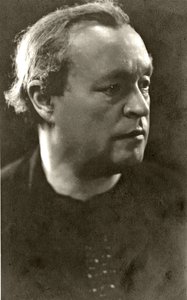
- Archivos Fotográficos: Imágenes conmovedoras que capturan los rostros, las familias y los paisajes de comunidades transformadas para siempre, presentando retratos de individuos cotidianos cuyas vidas estaban tejidas en el tejido cultural de Europa.
- Documentos Personales: Una colección de cartas y documentos que sirven como una ventana a una era de resiliencia y adaptación, documentando narrativas individuales en medio de circunstancias extraordinarias.
Lo que verdaderamente distingue al Leo Baeck Institute es su inquebrantable dedicación al matiz de la identidad. A diferencia de las instituciones que buscan la amplitud, el LBI se enfoca profundamente en las especificidades del judaísmo de habla alemana, asegurando que los detalles intrincados de su historia nunca se pierdan en la generalización. A través de exhibiciones notables que exploran desde las corrientes intelectuales de la República de Weimar hasta las respuestas artísticas al trauma de la guerra, el instituto fomenta un diálogo vital entre el pasado y el presente, garantizando que la marca indeleble de la cultura judeo-alemana continúe inspirando, educando y conmoviendo a las generaciones venideras.


