

Información clave
- Alternate names:
- Minneapolis Institute of Art
- Mia
- Minneapolis Institute of Arts
- Instituto de Arte Minneapolis
- Location: Minneapolis, Estados Unidos
- Works on APS: 6
- Featured artists:
- Sir Joshua Reynolds
- jacques joseph tissot
- Louise Élisabeth Vigée Le Brun
- Maurice Brazil Prendergast
- jacopo barbari
Artistas en la colección
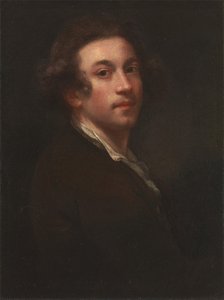
Sir Joshua Reynolds
Sir Joshua Reynolds (1723-1792): el retratista británico líder del siglo XVIII y primer presidente de la Royal Academy. Descubre su 'Gran Estilo' y legado artístico.


Jacques Joseph Tissot
Descubre Jacques Joseph Tissot (James Tissot), pintor francés reconocido por sus obras maestras de la Belle Époque y la sociedad victoriana, mezcladas con influencias impresionistas y japonesas.

Luisa Isabel Vigée Le Brun
Descubre a Vigée Le Brun (1755-1842), retratista clave del siglo XVIII. Su arte rococó y neoclásico inmortalizó a María Antonieta y la elegancia aristocrática.
Artículos relacionados

The Enduring Legacy of Architecture in Art: A Historical Survey of Representation & Meaning
Explore the rich history of architecture in art, from Renaissance theory to 19th-century reconstructions. Discover key artists & movements shaping visual representation – a guide for discerning collectors.
Armonizando Historia y Tono: Una Guía para Combinar Estilos Artísticos con la Arquitectura Interior para una Decoración Equilibrada
Guía experta para combinar estilos artísticos con tu arquitectura interior. Crea espacios equilibrados y elegantes con nuestros consejos y reproducciones de alta calidad. ¡Transforma tu hogar!

The Enduring Appeal of Decorative Art: A Historical Survey of Ornamentation, Functionality & Cultural Significance
Explore the rich history of decorative arts with OriginalUniqueArt.com. Discover key movements, influential artists, and expert guidance for building a discerning collection. Learn about ornamentation, functionality & cultural significance.
Catálogo de obras de arte
No se encontraron obras de arte.


Suscríbete a nuestro boletín informativo
Manténgase al día con las últimas noticias de arte, ofertas exclusivas e ideas de decoración.
Obtén 3 sugerencias de arte gratuitas
Cuéntanos sobre tu proyecto y nuestros expertos en arte te ofrecerán 3 sugerencias de obras personalizadas.
Not Sure Where to Start?
Let Us Curate 3 Options Just for You - Free!