Menú
Asesoría de arte gratuita

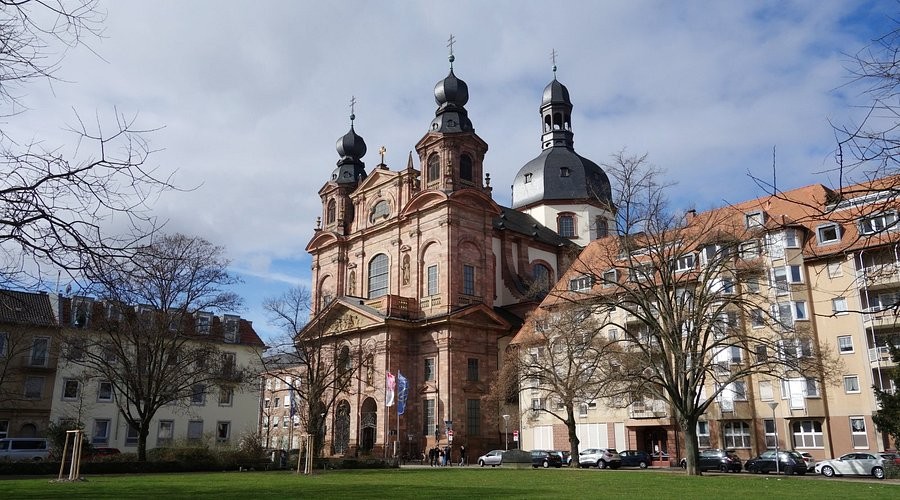
Iglesia Jesuita

Información clave

  • Alternate names:
    • Iglesia Jesuita
    • Iglesia Jesuita, Múnich
    • Jesuit Kirche
  • Location: Múnich, Alemania
  • Featured artists: Philipp Hieronymus Brinckmann
  • Works on APS: 1

Test de arte

Cada pregunta tiene una única respuesta correcta.

Pregunta 1:
¿Qué estilo arquitectónico predomina en la Iglesia Jesuita de Mannheim?
Pregunta 2:
¿Quién creó los frescos de la iglesia?
Pregunta 3:
¿Cuál es el objeto artístico más famoso que alberga la Iglesia Jesuita?
Pregunta 4:
¿Qué acontecimiento histórico impulsó la reconstrucción de la Iglesia Jesuita?
Pregunta 5:
¿A quién dedicó originalmente la Iglesia Jesuita?

A Baroque Gem: The Jesuit Church of Mannheim

The Jesuit Church in Mannheim stands as a testament to the grandeur and artistic fervor of the Baroque period, offering visitors an unparalleled glimpse into both religious devotion and masterful architectural design. Constructed in 1733 under the patronage of Johann Anton Wilhelm Theodor von Nassau-Weilbach, Grand Duke of Hesse Darmstadt, this church represents more than just stone and pigment; it embodies a profound cultural legacy. Its location within Darmstadt’s historic center adds to its significance as a landmark of German Baroque heritage.

Specializations & Collections:

The church’s artistic treasures fall squarely within Baroque Art, showcasing breathtaking frescoes by Egid Quirin Asam and his workshop—a cornerstone of Mannheim’s artistic heritage. Furthermore, its collection centers on religious iconography, specifically honoring Saints Ignatius and Francis Xavier, reflecting the Jesuit Order's commitment to spiritual education and missionary endeavors. The meticulous detail evident in every fresco speaks volumes about the artistic standards of the era, demonstrating a dedication to portraying biblical narratives with dramatic flair and emotional resonance. Particularly noteworthy is the Spandrel painting depicting Saint Ignatius Loyola—a masterful example of Baroque decorative arts that captures the saint’s unwavering faith and intellectual pursuits.

Architecture & Design:

The church’s interior is dominated by monumental Baroque architecture, characterized by soaring ceilings adorned with gilded stucco work and expansive frescoes that bathe the space in ethereal light. Asam’s vision prioritized creating a sensory experience—a deliberate attempt to transport worshippers into a realm of divine beauty. The intricate ornamentation—including Corinthian columns, sculpted medallions depicting saints, and elaborate draperies—creates an atmosphere of solemn grandeur, reflecting the Baroque preoccupation with conveying spiritual majesty through visual splendor. Careful consideration was given to acoustics, ensuring that the music played within the church resonated throughout its vast interior, enhancing the liturgical ritual.

History & Significance:

Originally conceived as a bastion of Jesuit influence in Darmstadt, the church underwent significant reconstruction following World War II, preserving its historical integrity while adapting to modern needs. The rebuilding effort was undertaken with meticulous attention to detail, utilizing original materials wherever possible and employing skilled artisans to faithfully recreate Asam’s monumental frescoes. Its dedication to Saints Ignatius and Francis Xavier underscores the Order’s enduring role in shaping European religious thought—a legacy that continues to inspire reverence and contemplation today. Furthermore, Mannheim Jesuit Church has hosted several exhibitions exploring Baroque art and architecture, attracting scholars and enthusiasts alike. These events illuminate the broader context of artistic production during the period and celebrate the church's contribution to cultural heritage.

Notable Exhibitions:

Throughout its history, Mannheim Jesuit Church has served as a focal point for scholarly discourse and artistic appreciation. Dedicated exhibitions have explored the stylistic innovations of Baroque artists like Asam and showcased comparative studies between Darmstadt’s ecclesiastical art and similar masterpieces across Europe. These events underscore the importance of preserving cultural landmarks and fostering dialogue about artistic traditions—a mission that remains central to Darmstadt’s cultural identity.

What Makes It Unique?

The confluence of Asam’s unparalleled frescoes—particularly the Spandrel painting depicting Saint Ignatius—the Crowned Silver Madonna’s historical provenance, and the church’s role as a symbol of Darmstadt’s Baroque past distinguishes Mannheim Jesuit Church from countless other ecclesiastical buildings. Visiting this sanctuary is akin to stepping back in time, immersing oneself in an environment where art served as a conduit for spiritual contemplation—a truly unforgettable experience for anyone interested in exploring the artistic achievements of the Baroque era.