Un santuario de arte, literatura y naturaleza: explorando la Biblioteca Huntington
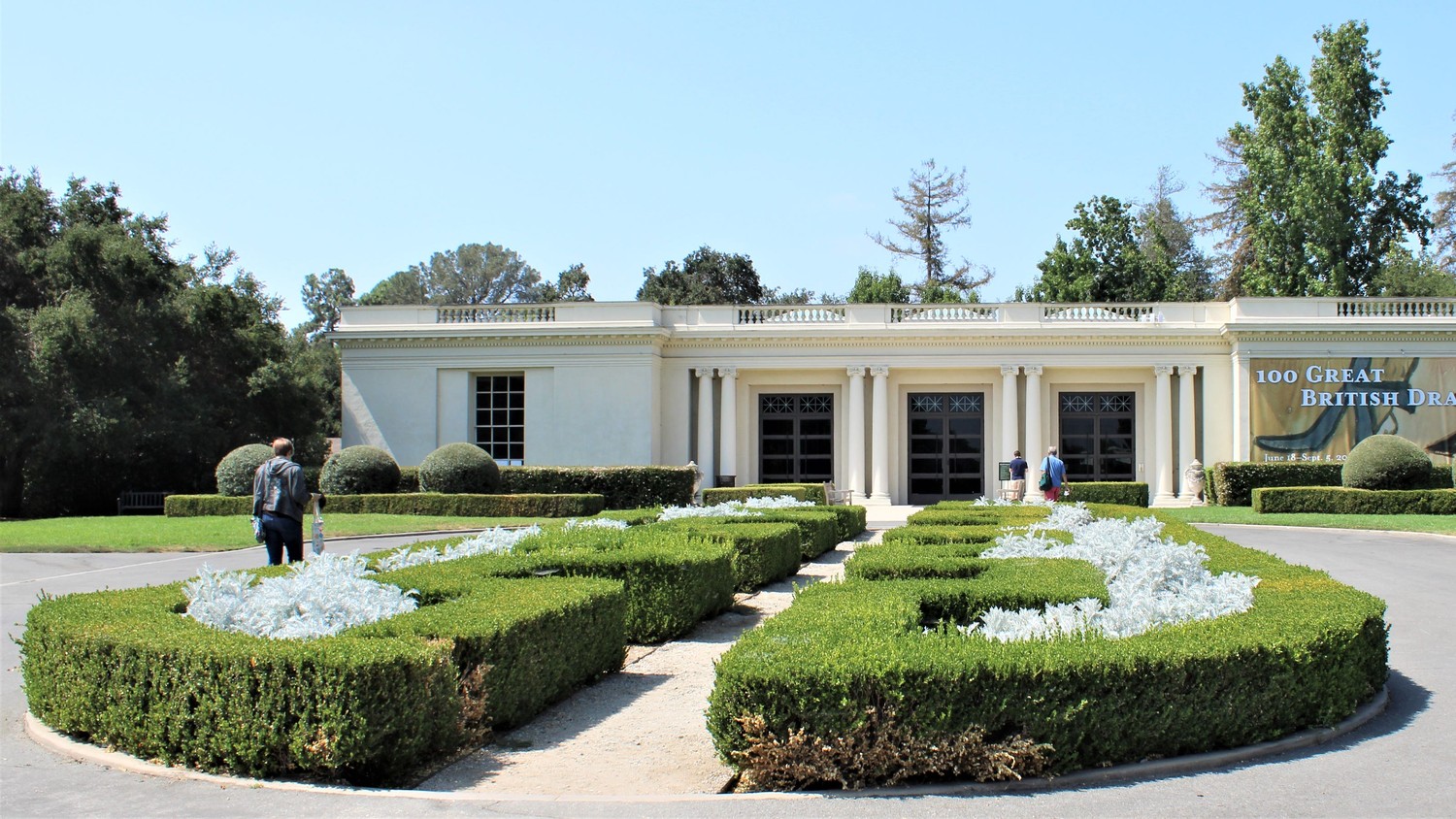
Enclavada en el sereno paisaje de San Marino, California, la Biblioteca, Museo de Arte y Jardines Botánicos Huntington se erige como un testimonio del poder perdurable de la colección y de la armoniosa mezcla de las aspiraciones culturales. Más que un simple museo, es una experiencia inmersiva: un lugar donde las obras maestras artísticas conversan con tesoros literarios, todo ello abrazado por la belleza tranquila de jardines meticulosamente cultivados. Fundada por el magnate del ferrocarril Henry E. Huntington y su esposa Arabella, su pasión compartida por preservar y exhibir la belleza ha florecido hasta convertirse en una de las instituciones culturales más queridas del sur de California. La historia de The Huntington está inextricablemente ligada a la visión de sus fundadores, quienes, tras la Primera Guerra Mundial, reconocieron una oportunidad única para adquirir obras excepcionales de propiedades europeas. Este periodo les permitió amasar una colección extraordinaria que constituiría los cimientos de lo que hoy es un centro de renombre mundial para la investigación y el disfrute del público.
Grandeza europea y visiones americanas: las colecciones de arte
El museo de arte de The Huntington presume de una gama notable, que abarca desde el siglo XVIII hasta mediados del XX, con una fuerza particular en el arte británico y estadounidense. Adentrarse en sus galerías es similar a entrar en un mundo de refinada elegancia e innovación artística. Aquí, uno se encuentra con obras maestras de luminarias como Thomas Gainsborough y Sir Joshua Reynolds, cuyos retratos capturan el espíritu de la Inglaterra georgiana y de la Regencia con una habilidad inigualable. La pincelada parece insuflar vida a sus sujetos, revelando no solo el parecido físico, sino también destellos del carácter y el estatus social. Junto a estos maestros británicos, el museo exhibe obras estadounidenses significativas, incluyendo pinturas cautivadoras de Mary Cassatt —cuyas representaciones de íntimas escenas domésticas ofrecen un comentario conmovedor sobre la vida de las mujeres— y los evocadores paisajes de Edward Hopper, que capturan la silenciosa soledad de la América moderna. Una pieza particularmente digna de mención es el
Retrato díptico de Philippe de Croy (ala izquierda)
de Rogier van der Weyden, un ejemplo impresionante de la pintura flamenca temprana que demuestra el detalle meticuloso y la profundidad espiritual característicos del periodo. La Galería Virginia Steele Scott para el Arte Americano proporciona un espacio contemporáneo para experimentar estas obras maestras, realzando su impacto con una curaduría reflexiva y un diseño moderno.
De Gutenberg a Austen: un legado literario
Más allá de las artes visuales, la Biblioteca de The Huntington es un tesoro para eruditos y amantes de los libros por igual. Alberga una asombrosa colección de libros raros, manuscritos y artefactos literarios que abarcan siglos. Entre sus posesiones más preciadas se encuentra una Biblia de Gutenberg excepcionalmente completa, un hito en la historia de la imprenta y un símbolo del amanecer de la era moderna. Estar ante esta obra monumental es conectar con un momento crucial en la historia intelectual de la humanidad. El acervo de la Biblioteca se extiende mucho más allá de los libros impresos antiguos, abarcando una riqueza de manuscritos, incluidos aquellos escritos por gigantes literarios como Jane Austen. Imagine sostener una página tocada por su mano, leyendo sus palabras en su forma original; es una experiencia que trae a la vida, de manera vívida, a la amada autora y su mundo. Las colecciones también incluyen materiales extensos relacionados con la historia y la cultura estadounidense, ofreciendo perspectivas invaluables sobre el pasado de la nación.
Jardines de tranquilidad: un oasis botánico
The Huntington no se define únicamente por su arte y literatura; es igualmente célebre por sus impresionantes jardines botánicos. Con una extensión de 120 acres, estos jardines son un testimonio del arte hortícola y un refugio para la tranquilidad. El renombrado Jardín Japonés ofrece un escape sereno, inspirado en los principios tradicionales del diseño japonés: grava cuidadosamente rastrillada, árboles meticulosamente podados y estanques tranquilos que crean una atmósfera de profunda paz. En contraste, el Jardín del Desierto muestra la belleza austera de los cactus y las suculentas, demostrando la notable capacidad de la naturaleza para prosperar en entornos áridos. El Jardín de Rosas estalla en color y fragancia, un espectáculo romántico que deleita los sentidos. Más recientemente, la incorporación de Liu Fang Yuan –“Jardín de la Fragancia Fluyente”, un impresionante jardín chino, ha enriquecido aún más la experiencia botánica, ofreciendo a los visitantes un vistazo a la maestría y la filosofía del diseño de paisajes chino.
Una síntesis cultural única
Lo que realmente distingue a The Huntington es su síntesis única de disciplinas. No es meramente un museo de arte o una biblioteca; es un destino cultural holístico donde convergen la expresión artística, el patrimonio literario y la belleza natural. Este enfoque interdisciplinario fomenta una comprensión y un aprecio más profundos por la interconexión de la creatividad humana y el mundo que nos rodea. El compromiso de la institución con la investigación y la participación pública garantiza que sus colecciones sigan siendo accesibles y relevantes para las generaciones venideras. Una visita a The Huntington es una invitación a embarcarse en un viaje de descubrimiento: una oportunidad para perderse en la belleza, el conocimiento y la inspiración dentro de un verdadero oasis cultural.