Un Tapiz del Tiempo: La Grandeza Real de Hampton Court Palace
El Palacio de Hampton Court no se erige simplemente como una residencia señorial, sino como una crónica extraordinaria grabada en ladrillo y morta, que refleja el flujo y reflujo de la monarquía inglesa, desde la magnificencia Tudor hasta la elegancia Barroca. Acercarse a su imponente fachada es entablar un profundo diálogo visual entre la fuerza inquebrantable de la visión de Enrique VIII y el refinamiento calculado de Guillermo III. Es un lugar donde la historia respira a través de cada pasillo, invitando al observador a un viaje por momentos cruciales de la identidad británica. La narrativa del palacio comienza con las elevadas ambiciones del cardenal Thomas Wolsey, cuyos diseños iniciales buscaban rivalizar con las cortes más opulentas de Europa. Este legado de poder aún es palpable dentro del Gran Salón, donde colosales techos de vigas de martillo desafían la gravedad, proyectando sombras dramáticas sobre paredes adornadas con magníficos tapices. Estos intrincados textiles, que representan escenas bíblicas y emblemas heráldicos, servían para mucho más que una simple decoración; eran potentes instrumentos de propaganda visual, diseñados para proclamar la autoridad real y reforzar el derecho divino de los monarcas Tudor.
A medida que avanzaron los siglos, el palacio experimentó una metamorfosis dramática que introdujo una sorprendente dualidad arquitectónica. A finales del siglo XVII, bajo el reinado de Guillermo III y María II, el palacio fue transformado por la mano de Sir Christopher Wren. Alejándose del estilo Tudor pesado e imponente, Wren introdujo la sofisticada estética de la era Barroca, caracterizada por diseños simétculos, detalles clásicos y amplios apartamentos de estado bañados por una luz suave y difusa. Este periodo de reconstrucción aspiraba a superar el esplendor de Versalles, creando una mezcla armoniosa de estilos que sigue siendo uno de los logros arquitectónicos más singulares del Reino Unido. La introducción de la distintiva fachada de ladrillo rosa distingue aún más este complejo de otras residencias reales, ofreciendo un contraste cálido y texturizado frente a las estructuras de piedra más austeras del pasado.
Tesoros Artísticos y Maestría del Paisaje
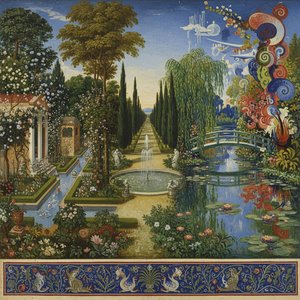
Más allá de las maravillas arquitectónicas del interior, se extiende un paisaje diseñado tanto para el espectáculo como para la contemplación. Los jardines del palacio son un testimonio impresionante de la influencia del diseño paisajístico francés, encarnando la sensibilidad barroca a través del orden, el equilibrio y la ilusión. Parterres florales formales meticulosamente planificados en patrones geométricos, extensos prados puntuados por elegantes fuentes y rincones ocultos de reposo crean una experiencia sensorial similar a adentrarse en un lienzo pictórico vivo. Esta maestría sobre la naturaleza se complementa con la incomparable colección de tesoros reales del palacio. Dentro de estos muros, los amantes del arte pueden encontrarse con obras maestras de luminarias de renombre como Rembrandt , Rubens , y Van Dyck . Estas obras no son meros objetos de belleza estética para el deleite del coleccionista o el diseñador; son ventanas a las corrientes intelectuales y a la cultura cortesana que impulsaron a Inglaterra hacia el escenario mundial.
El palacio también ofrece maravillas mecánicas y escultóricas únicas que cautivan la imaginación:
- El Reloj Astronómico: Una maravilla del siglo XVI instalada en 1540, este instrumento pre-copernicano cuenta con tres esferas de cobre separadas que giran a diferentes velocidades para mostrar el zodíaco y la posición del sol.
- Las Bestias del Rey: Una serie de estatuas de animales heráldicos que se encuentran en el puente sobre el foso, representando la ascendencia real de Enrique VIII y Jane Seymour.
- Frescos Barrocos: Obras monumentales como las que se encuentran en la Escalera de los Reyes, que rinden homenaje al genio de artistas como Antonio Verrio.
Hoy en día, el Palacio de Hampton Court permanece como un legado vivo, meticulosamente preservado por Historic Royal Palaces como un faro del patrimonio británico. Continúa inspirando a las audiencias contemporáneas a través de exposiciones curadas que iluminan las vidas privadas y los dramas públicos de reyes y reinas. Para el historiador del arte, es un sitio de estudio inigualable; para el diseñador de interiores, es una fuente inagotable de inspiración en cuanto a escala, textura y luz; y para el visitante, es un viaje atemporal a través de un mundo donde cada piedra y cada pincelada cuenta una historia de ambición, poder y belleza perdurable.