Reconocida por sus exquisitas acuarelas de Venecia, Clara Montalba alcanzó el éxito internacional con obras como El puerto de Ámsterdam, invitándole a descubrir la luminosa belleza de sus escenas marítimas.
Explore captivating portraits by Alastair Christian Adams, renowned for his detailed realism & evocative depictions of figures like Sethna & Tomlinson. Discover his art.
Explora los cautivadores retratos de June Mendoza, artista australiana reconocida por sus encargos reales y políticos. ¡Descubre su legado en el arte británico!
Un Legado Forjado en Ladrillo Rojo: Descubriendo Girton College, Cambridge
Introducción
Espíritus Pioneros y Ecos Artísticos
Grandeza Arquitectónica e Historias Ocultas
El Legado de los Exalumnos de Girton
Conclusión: Un Faro de Progreso
Introducción
Girton College es mucho más que una simple institución integrante de la Universidad de Cambridge; es un poderoso testimonio de la búsqueda incansable de la igualdad educativa y un ejemplo impactante de la visión arquitectónica victoriana. Fundado en 1869 por las pioneras Emily Davies y Barbara Bodichon, Girton comenzó su vida no en los terrenos sagrados de la propia universidad, sino en Benslow House, en Hitchin, una elección deliberada que reflejaba la resistencia inicial al acceso de las mujeres a la educación superior. Este temprano acto de desafío marcó el tono de la historia del colegio, una trayectoria definida por valientes retos a la convención y un compromiso inquebrantable con la inclusión. El traslado a su ubicación actual cerca de Cambridge en 1로73, y la posterior construcción de los icónicos edificios de ladrillo rojo diseñados por Alfred Waterhouse entre 1872 y 1887, consolidaron la presencia física y la importancia simbólica de Girton. Estas estructuras, con sus elegantes detalles victorianos, no son meramente bellas; representan una victoria arduamente ganada para generaciones de mujeres que buscaron la plenitud intelectual.
Espíritus Pioneros y Ecos Artísticos
La historia de Girton está inextricablemente ligada al movimiento feminista más amplio del siglo XIX. Las “Pioneras”, como se conocía a las primeras estudiantes, navegaron valientemente por territorios inexplorados, convirtiéndose en algunas de las primeras mujeres en presentarse a los rigurosos exámenes Tripos en Cambridge, una hazaña que allanó el camino para la admisión plena en 1948. Este espíritu de innovación continuó hasta finales del siglo XX, cuando Girton rompió nuevas barreras al convertirse en la primera universidad femenina de Cambridge en admitir estudiantes masculinos en 1976, abrazando un futuro verdaderamente coeducativo. Dentro de este entorno de fermento intelectual y cambio social, el arte encontró un hogar natural. Aunque no es ampliamente conocido como una gran galería pública, Girton College posee una colección cuidadosamente curada que refleja su historia y sus valores. Notablemente, el retrato de
Marianne Frances Bernard
, realizado por Francis Dodd, ofrece una mirada serena a las vidas de las mujeres de esta época, invitando a la contemplación de temas como la edad, la sabiduría y la resiliencia. La presencia de obras vinculadas a la propia Barbara Leigh Smith Bodichon —artista además de ferviente defensora de los derechos de las mujeres— subraya aún más la dedicación del colegio a celebrar la creatividad femenina.
Grandeza Arquitectónica e Historias Ocultas
Un paseo por Girton College es un viaje a través del tiempo, comenzando con el Old Wing, completado en 1876, que encarna la estética victoriana por excelencia. El llamativo trabajo de ladrillo rojo, característico del estilo de Waterhouse, emana tanto solidez como gracia. Más allá de su atractivo visual, la arquitectura responde a las necesidades prácticas de una institución pionera, proporcionando espacios para el estudio, el alojamiento y la vida comunitaria. Explorar más a fondo revela joyas ocultas como Taylor's Knob y el Hospital Wing, donde cada edificio susurra relatos de los primeros días del colegio y los desafíos enfrentados por sus primeras estudiantes. Estas estructuras no fueron simplemente construidas; fueron
creadas
como entornos propicios para el aprendizaje y para fomentar un sentido de comunidad entre mujeres que derribaban barreras con cada conferencia asistida y cada examen aprobado. Los extensos terrenos, que abarcan 33 acres (13 hectáreas), ofrecen un escape tranquilo del bullicio de Cambridge, brindando un espacio para la reflexión y la conexión con la naturaleza, un elemento esencial en el cultivo tanto del crecimiento intelectual como del personal.
El Legado de los Exalumnos de Girton
Hoy en día, Girton College continúa manteniendo su legado de inclusión y excelencia académica. Se erige como una comunidad vibrante donde estudiantes de todos los orígenes se unen para perseguir sus pasiones y dar forma al futuro. El compromiso del colegio va más allá de la simple admisión de estudiantes diversos; fomenta activamente un entorno donde todos se sientan valorados, apoyados y empoderados para alcanzar su máximo potencial. Esta dedicación se refleja en sus instalaciones modernas —que incluyen alojamiento de última generación, una biblioteca bien equipada y excelentes instalaciones deportivas— integradas a la perfección con la arquitectura histórica. Girton no solo está preservando el pasado, sino que está construyendo sobre él, creando un espacio dinámico donde la tradición y la innovación coexisten armoniosamente. Entre los exalumnos notables de Girton se encuentran la reina Margarita II de Dinamarca, Lady Hale, Arianna Huffington, la comediante y autora Sandi Toksvig, la economista Joan Robinson y la antropóloga Marilyn Strathern, quien también ocupó el cargo de Rectora entre 1998 y 2009.
Conclusión: Un Faro de Progreso
Girton College es más que una institución educativa; es un monumento vivo al progreso, un símbolo de coraje y una joya oculta dentro del paisaje de Cambridge. Sus extraordinarios exalumnos —incluyendo a la reina Margarita II, Lady Hale, Arianna Huffington, Sandi Toksvig, Joan Robinson y Marilyn Strathern— se erigen como testimonios del poder transformador de la educación y del impacto perdurable del espíritu pionero de Girton. Ya sea que usted sea un entusiasta del arte atraído por sus sutiles tesoros artísticos o un apasionado de la historia cautivado por su narrativa fascinante, Girton College ofrece una experiencia única y enriquecedora que resonará mucho después de su visita. Es un lugar donde el pasado informa al presente, y donde el futuro de la educación continúa forjándose con audacia y visión.
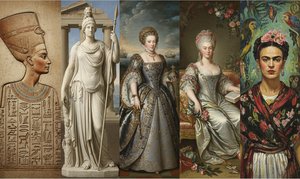
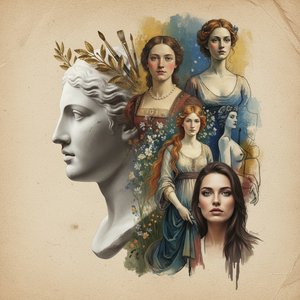
Explore the rich history of women in art – from iconic muses to groundbreaking artists. Discover feminist movements & reclaim female narratives with OriginalUniqueArt. Expert insights for discerning collectors.
Explore the rich history of women in art – from archetypal representations to contemporary voices challenging norms. Discover iconic artists & movements, and learn about reclaiming female narratives through painting and beyond.
Explore the rich history of women in art – from iconic muses to groundbreaking artists. Discover feminist movements, global perspectives & reclaim female narratives with OriginalUniqueArt.
OAsistente de estudioEn línea · responde en un minuto
¡Hola! Puedo ayudarte a elegir una obra de arte, realizar el seguimiento de un pedido o resolver tus dudas sobre la garantía. ¿En qué puedo ayudarte hoy?