Menú
Asesoría de arte gratuita

Écomusée du Creusot-Montceau

Datos clave

  • Alternate names:
    • Écomusée du Creusot-Montceau
    • Écomusée du Creusot-montceau-les-mines
    • Ecomusée Creusot Montceau
    • Ecomuseum de Creusot-Montceau-les-Mines
    • Ecomuseum Creusot Montceau
  • Location: Creusot, España
  • Featured artists: henri georges dupetit
  • Works on APS: 18

Cuestionario de arte

Cada pregunta tiene una única respuesta correcta.

Pregunta 1:
¿Cuál es el enfoque principal del Écomusée du Creusot-montceau-les-mines?
Pregunta 2:
¿Qué sitio del Écomusée ofrece una visión detallada de la influencia de María Antonieta?
Pregunta 3:
¿Qué tipo de objetos destacan principalmente en el Écomusée?
Pregunta 4:
¿Cómo se refuerza la participación comunitaria en el Écomusée?
Pregunta 5:
¿Qué reconocimiento posee el Écomusée du Creusot-Montceau?

A Testament to Toil and Transformation: Exploring the Écomusée du Creusot-Montceau

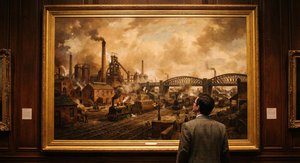
The Écomusée du Creusot-Montceau transcends the conventional boundaries of museum experience, presenting itself as a profound encounter with Burgundy’s industrial heritage—a region where the rhythmic clang of hammers echoed alongside the murmurs of rolling vineyards. More than just a collection of artifacts, it's an immersive journey through time, meticulously crafted across three interconnected sites that collectively illuminate the profound influence of labor on shaping both the landscape and the identity of this corner of France. From the opulent Château de la Verrerie, originally conceived as Marie Antoinette’s ambitious glassworks project—a bold experiment in royal patronage and technological innovation—to the authentic Briqueterie Ciry, breathing with the scent of clay and kiln heat, each location speaks volumes about societal shifts and unwavering human resilience—a narrative powerfully conveyed through its impressive assemblage of tools, machines, and personal effects.

The Château de la Verrerie: A Royal Legacy Reimagined

Initially envisioned as Marie Antoinette’s daring foray into glassmaking—a testament to her vision for elevating French craftsmanship—the Château de la Verrerie now stands as a cornerstone of the Écomusée’s collection, embodying not only aristocratic grandeur but also the transformative power of royal ambition. Its walls bear witness to centuries of history, reflecting the evolving fortunes of Burgundy's elite and serving as a poignant reminder that even symbols of privilege are subject to change. Today, visitors can marvel at exquisite crystal chandeliers—a legacy of Marie Antoinette’s patronage—and explore meticulously recreated workshops where artisans practiced their craft with unwavering dedication. The château’s transformation into a museum underscores the enduring importance of preserving architectural heritage alongside its narrative significance.

Briqueterie Ciry: The Heartbeat of Burgundy’s Building Trades

Step inside Briqueterie Ciry, and you inhale the earthy aroma of clay—a sensory experience that transports visitors back to the heart of Burgundy’s building trades during the Industrial Revolution. This former brickworks isn't merely a collection of machines; it’s a microcosm of the region’s economic vitality—a place where one can almost hear the rhythmic pounding of hammers shaping bricks destined for grand edifices across France and beyond. The museum’s curators have painstakingly reconstructed the factory environment, showcasing towering headframes and extraction machines that stand as silent giants—testaments to human ingenuity and ambition. Examining these artifacts offers a visceral understanding of how skilled artisans transformed raw materials into durable structures—a process mirroring the broader industrial revolution unfolding across Europe.

Villa Perrusson: Witnessing Industrial Visionaries

Villa Perrusson, nestled amidst verdant hills overlooking Montceau-les-Mines, presents visitors with an intimate glimpse into the lives and aspirations of Burgundy’s industrial magnates—those visionary entrepreneurs who propelled the region's economic growth while shaping its cultural landscape. The villa’s interiors are adorned with original furnishings and artwork reflecting the tastes of industrialists during the Belle Époque—a period marked by optimism, innovation, and a fervent belief in progress. Exploring this stately home allows visitors to contemplate not only architectural beauty but also the social context within which these individuals pursued their ambitions—illuminating the complex interplay between wealth, power, and artistic patronage.

Unearthing the Past: A Collection Rooted in Reality

Unlike conventional museums prioritizing polished masterpieces, the Écomusée’s collection eschews sterile displays of art for a captivating assemblage of instruments—coal mining picks and shovels gleaming with history, photographic portraits capturing the faces of miners etched with determination, and towering headframes and extraction machines that stand as silent giants—testaments to human ingenuity and ambition. These aren’t relics behind glass; they are powerful symbols of a bygone era demanding respect and remembrance. The museum's curators have painstakingly documented every item, ensuring its story is preserved for future generations. Examining these artifacts offers insight into the daily lives of those who fueled Burgundy’s industrial engine—a perspective often overlooked in traditional historical narratives.

Interactive Experiences & Community Voices

What truly distinguishes the Écomusée du Creusot-Montceau is its commitment to bringing history alive through immersive experiences. Guided tours delve into underground galleries recreating the claustrophobic conditions endured by miners, enriched by the passionate knowledge of volunteers from La Mine et les Hommes association—individuals deeply connected to Burgundy’s industrial heritage who infuse the museum visit with authenticity and emotional depth. Recognized as a Musée de France, the institution upholds rigorous standards of preservation and education, guaranteeing that these vital narratives continue to resonate for years to come. Visitors can engage in hands-on activities designed to foster understanding and appreciation—connecting directly with the legacy of Burgundy’s industrial past.

Lista de obras de arte

No se encontraron obras de arte.