


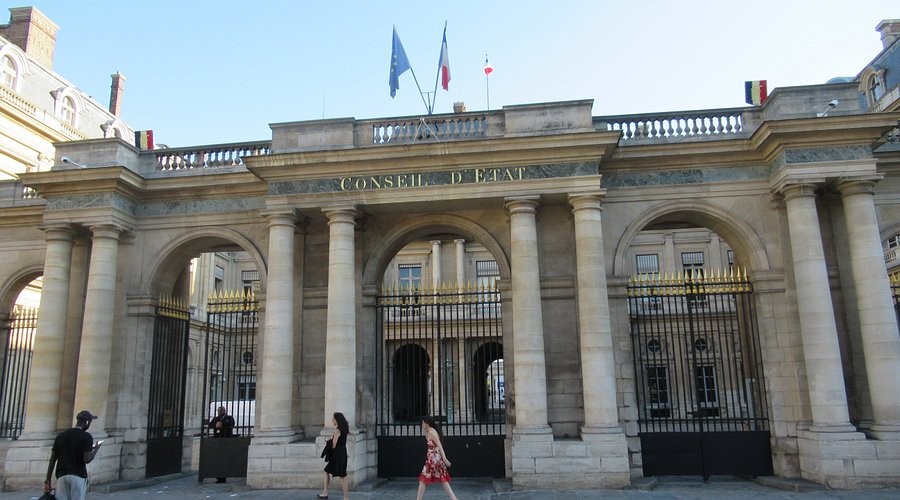
A Seat of Power and Artistic Reflection: Exploring the Conseil D'État and Its Architectural Legacy
The Conseil D’État—France’s venerable administrative court and legal advisor to the government—stands as more than just a judicial institution; it embodies centuries of French history and governance. Situated within the opulent Palais Royal in Paris—a palace that itself has undergone dramatic transformations throughout time—this museum offers a fascinating glimpse into both legal scholarship and artistic patronage. Its significance extends beyond legal precedent, revealing an enduring connection to France’s cultural heritage.Established as early as 1345, the Conseil D’État's current incarnation solidified in 1799 during Napoleon Bonaparte’s reign, marking a pivotal moment in shaping French law and political discourse. This institution wasn’t merely interpreting existing legislation; it actively participated in its creation—ensuring that laws were legally sound and served the broader public interest.
The Palais Royal is itself a testament to architectural grandeur. Originally conceived for Cardinal Richelieu—a symbol of papal authority—it transitioned through royal residences before becoming the Conseil D’État's official home, incorporating influences from Baroque, Neoclassical and Beaux-Arts styles. Visitors can wander through its expansive courtyards adorned with sculptures and fountains, immersing themselves in an atmosphere of regal elegance.
The interior spaces showcase intricate plasterwork ceilings and opulent furnishings—reflecting the tastes of successive monarchs who graced its halls. These architectural elements speak to a tradition of grandeur and refinement that continues to inspire designers today.
Notable Exhibitions: A Window into French History
Throughout its history, the Palais Royal has hosted exhibitions showcasing French art from various eras—demonstrating its enduring importance as a cultural center. Particularly noteworthy are displays commemorating significant historical events, such as the Siege of Paris in 1870-71, captured in Pierre-Cecile Puvis de Chavannes’ evocative “Le Ballon.” This monumental artwork utilizes allegorical imagery to convey themes of resilience and national pride—a reflection of France's spirit during a time of crisis.
Furthermore, exhibitions dedicated to legal scholarship have presented rare manuscripts and documents illustrating the evolution of French jurisprudence. These collections offer invaluable insights into the intellectual currents that shaped the nation’s legal traditions.
The Conseil D’État’s Artistic Connections: Beyond Legal Archives
What distinguishes the Conseil D’État is its dual role – actively advising on legal matters while simultaneously fostering artistic creativity. Consider Jan Van Oldenbarneveld’s “Conseiller Pensionnaire de Hollande”—a portrait depicting a statesman of considerable stature—commissioned during Napoleon's reign. This artwork exemplifies the palace’s patronage of artists and reflects France’s diplomatic prowess at the time.
The Conseil D’État’s influence extends beyond mere aesthetic appreciation; it champions the preservation of legal documents and governmental reports—a cornerstone of French constitutional law. This commitment to intellectual heritage ensures that France's legal traditions continue to inspire future generations.


