

A Singular Vision of Fashion History: Exploring Collection Rotschild
Located in the heart of Paris, Collection Rotschild distinguishes itself from conventional museums dedicated solely to fine art. Instead, it presents a breathtaking panorama of European history through an extraordinary assemblage of 16th and 18th-century theatrical and courtly fashion—a realm often overlooked by artistic scholarship.
Originally housed within the Louvre Museum before its relocation, this remarkable bequest from the Rothschild family represents more than just textiles; it embodies a profound fascination with social customs and artistic patronage. The collection’s curators recognized that dress wasn't merely ornamentation but a powerful tool for conveying status, identity, and cultural values during these formative centuries.
Collection Highlights: A Tapestry of Elegance
The Collection Rotschild’s core comprises an impressive selection of garments reflecting the stylistic sensibilities of its era. Among its most celebrated pieces are costumes worn in theatrical productions—elaborate ensembles designed to captivate audiences with dazzling fabrics and intricate embroidery—and attire favored by European nobility during the courtly period. These garments served as visual declarations of power and refinement, meticulously crafted by skilled artisans.
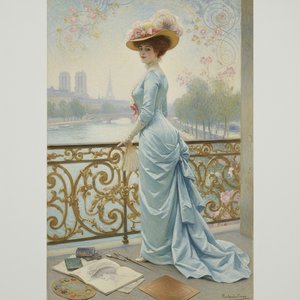
Furthermore, the collection showcases a diverse range of textiles—linen, wool, satin—each imbued with symbolic significance reflecting prevailing tastes and traditions. Observe the intricate weaving techniques employed by artisans across Europe, demonstrating mastery of craftmanship. Particularly noteworthy are examples linked to Madame Récamier—a figure synonymous with Parisian elegance during Romanticism—and works connected to artists like Hans Memling’s “Triptych of the Rest on the Flight into Egypt,” a masterpiece showcasing Flemish artistic sensibilities.
Architectural Context: A Legacy Within the Louvre
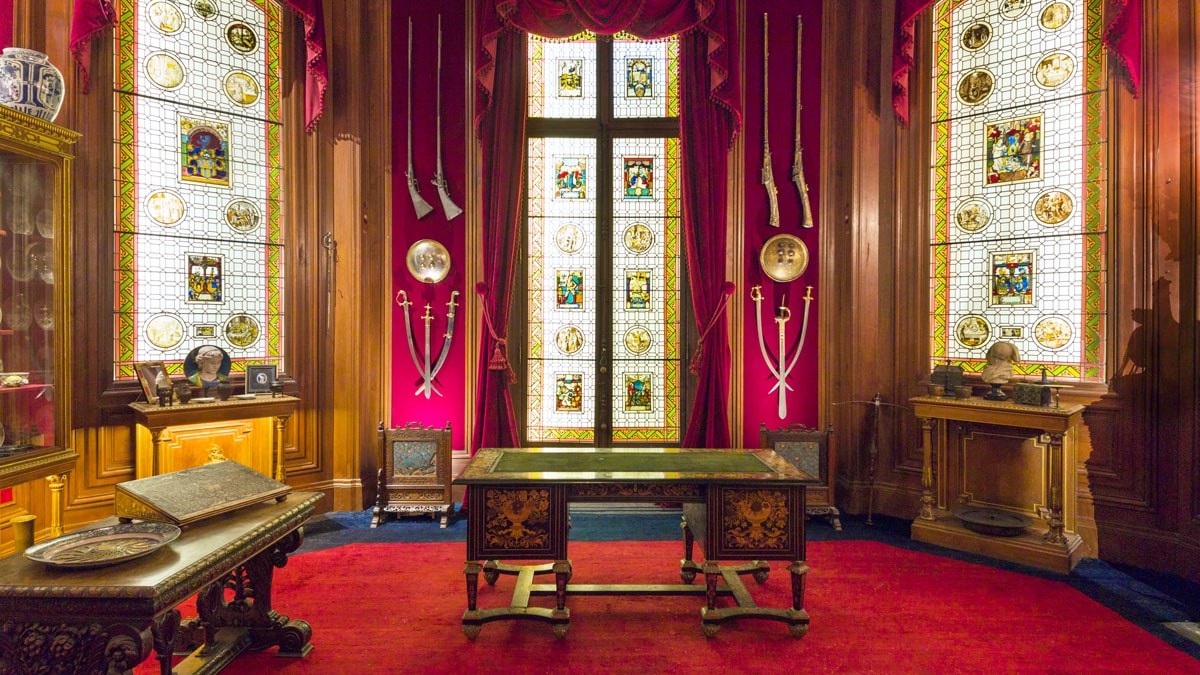
Although precise architectural details remain elusive due to its absence from an official website, Collection Rotschild’s former residence within the Louvre speaks volumes about its intended presentation: a space designed to inspire contemplation and celebrate artistic heritage. The museum's location underscores its significance as a national treasure—a testament to France’s enduring commitment to preserving cultural monuments.
Historical Significance: Patronage and Artistic Exchange
The Collection Rotschild’s origins lie in the passionate collecting endeavors of the Rothschild family, whose dedication to safeguarding artistic and cultural patrimony culminated in this exceptional legacy. It provides invaluable insight into European social history—specifically, the intricate interplay between aristocratic circles and artistic creativity.
Consider the influence of Parisian porcelain ('Vieux Paris'), celebrated for its delicate floral designs and glazed surfaces—a testament to advancements in ceramic production—and the pioneering work of mühlbacher de paris, whose carriage innovations revolutionized transportation with electric lighting and pneumatic tires. These additions enrich the museum’s narrative, demonstrating a broader scope of interests encompassing technological progress alongside artistic expression.
What Sets It Apart: Fashion as Historical Medium
Unlike museums prioritizing visual art alone, Collection Rotschild distinguishes itself by examining fashion as a multifaceted historical medium—a window into societal values, artistic trends, and technological innovation. Its curators strive to illuminate the connections between dressmaking practices and broader cultural currents, fostering a deeper understanding of the past.
Moreover, Collection Rotschild’s exhibitions have explored themes ranging from “Fashion and Patronage” to “The Decorative Arts of the Baroque,” offering visitors engaging perspectives on artistic influences and social dynamics. The museum's curators aim to inspire curiosity and promote scholarly dialogue—a mission rooted in the conviction that fashion holds a unique capacity for conveying historical narratives.