

Cloister: A Journey Through Medieval Art & Architecture
Nestled in the serene Fort Tryon Park of Upper Manhattan, The Cloisters—officially known as The Metropolitan Museum of Art’s Cloisters—stands as a singular testament to European medieval art and architecture. Founded by financier John D. Rockefeller Jr., this extraordinary museum houses four cloisters painstakingly reconstructed from monastic churches dismantled in France during the Belle Époque, offering visitors an unparalleled glimpse into the spiritual and artistic life of the Middle Ages.
The Cloisters’ story begins with George Grey Barnard, a sculptor who possessed an unwavering passion for preserving architectural relics. Recognizing the profound beauty and historical significance of crumbling monasteries—a consequence of centuries of warfare and upheaval—Barnard embarked on an ambitious quest to assemble a remarkable collection. His astute eye for stone carving combined with shrewd negotiation skills enabled him to acquire structures from churches across France, transporting them to New York where they would become the cornerstone of this unique institution.
Collection Highlights: Flemish Masters & Gothic Splendor
- Flemish Paintings: Immerse yourself in the luminous palette and masterful brushwork characteristic of Flemish artists. Admire masterpieces like Lambert Sustris’s ‘Hans Christoph Vöhlin,’ a portrait imbued with intricate detail and reflecting Renaissance elegance—a testament to artistic skill and humanist ideals.
- Religious Folk Art: Explore a captivating collection that illuminates local beliefs, traditions, and artistic expressions rooted in medieval European culture. These pieces offer insights into the spiritual preoccupations of ordinary people during this transformative period.
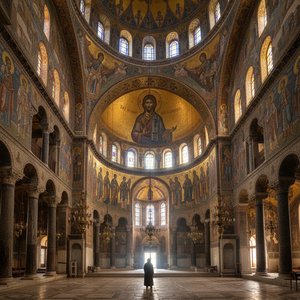
- Architectural Marvels: Witness firsthand the grandeur of monastic architecture—specifically the four cloisters themselves. Each cloister embodies distinct stylistic influences, from Romanesque solidity to Gothic soaring height, showcasing the evolution of architectural techniques and artistic sensibilities.
A Window Into Medieval Life
More than just a repository of artworks, The Cloisters strives to recreate the atmosphere of medieval monastic life. Visitors can wander through meticulously landscaped gardens mirroring those found in monasteries—a deliberate effort to transport them back in time and foster contemplation. Exhibitions delve into themes such as pilgrimage, craftsmanship, and the role of religion in shaping European society.
Notable Exhibitions & Ongoing Research
Recent exhibitions have explored diverse facets of medieval art and culture, ranging from illuminated manuscripts to sculpture and textiles. Furthermore, ongoing research continues to unravel new discoveries about monastic life and artistic production—enriching our understanding of this pivotal era in European history.
The Significance of Reconstruction
The Cloisters’ remarkable achievement lies not merely in its collection but also in its meticulous reconstruction. Each cloister was dismantled from churches across France, transporting them to New York where they underwent painstaking restoration—a monumental undertaking that demanded the expertise of architects, conservators, and artisans. This ambitious project serves as a powerful reminder of the enduring legacy of medieval art and architecture and its capacity to inspire awe and wonder.
A Unique Artistic Experience
Visiting The Cloisters is more than just observing artworks; it’s embarking on an intellectual journey—a chance to engage with the artistic, spiritual, and social context of a bygone era. Allow yourself to be transported back in time as you contemplate the beauty of Gothic arches, marvel at the intricacy of stained glass windows, and reflect upon the profound questions posed by medieval art.