

Chiesa di San Mateo: Una Palermo Baroque Gem
Nestled in the vibrant heart of Palermo, Italy, Chiesa di San Mateo stands as a breathtaking testament to Sicilian Baroque artistry. More than just a church building, it’s an immersive experience—a journey back to the 17th century where architectural grandeur intertwined with religious devotion and artistic innovation.
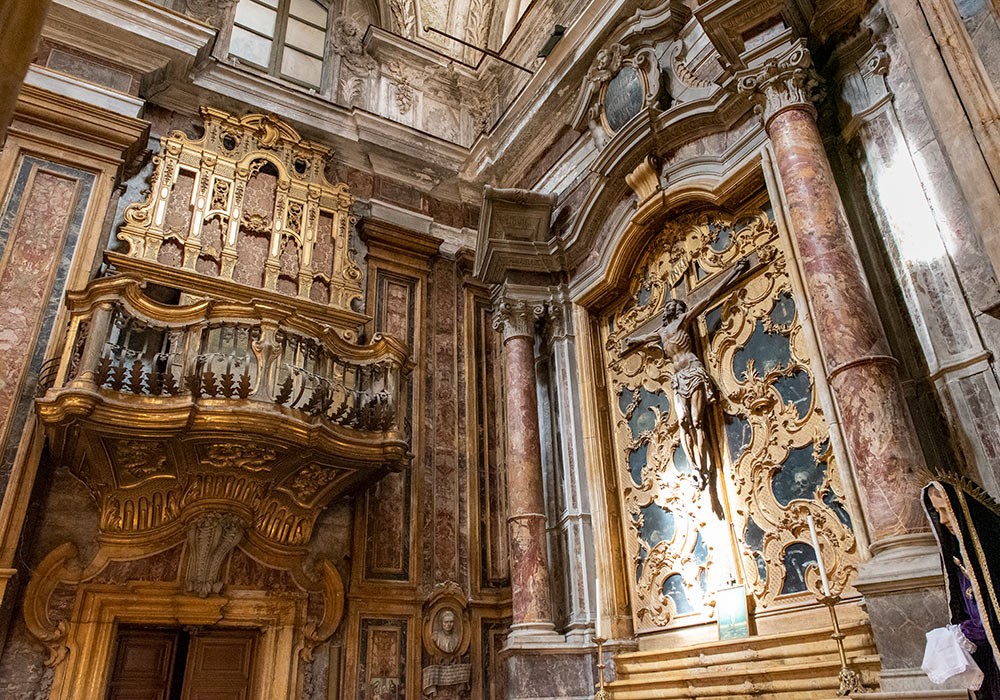
- Architectural Marvel: The chiesa's façade is instantly recognizable for its masterful use of ‘marmi mischi,’ a technique exclusive to Sicily. Skilled artisans painstakingly combined alabaster, marble, and onyx—creating mesmerizing patterns that shimmer in the sunlight and convey an unparalleled sense of visual drama. This distinctive method—characterized by layering different colored marbles—is considered one of the most ambitious decorative undertakings of its time, reflecting the Baroque fascination with opulent materiality and dramatic visual impact.
- Historical Context: Constructed during a period of fervent rebuilding following devastating earthquakes, Chiesa di San Mateo embodies the spirit of renewal characteristic of Baroque Sicily. Its precise founding date remains somewhat elusive, yet its legacy is undeniable—a cornerstone of Palermo’s cultural heritage. Situated in the Quattro Canti district – a symbol of Palermo's urban planning and artistic ambition – the chiesa serves as a focal point for understanding the broader context of Sicilian Baroque art, highlighting connections between Chiesa di San Mateo and other prominent churches across the island.
Within its walls reside remarkable artworks that illuminate the artistic fervor of the era. Notably, ‘St Nicholas of Bari,’ by Matteo Di Giovanni (1455), showcases St. Nicholas’s iconography within a beautifully preserved Gothic chapel. This painting exemplifies the stylistic influences prevalent during the period—a testament to the enduring power of religious imagery and artistic tradition.
- Collection Highlights: Alongside ‘St Nicholas of Bari,’ Chiesa di San Mateo houses ‘St Hermagoras and a Donor St Fortunatus,’ a captivating wood sculpture by Matteo Giovannetti (circa 1500). The sculpture’s intricate detailing and symbolic representation offer insights into medieval artistic conventions—a reminder that Baroque Sicily drew inspiration from earlier artistic movements, blending tradition with innovation.
- Notable Exhibitions: Recent exhibitions have focused on exploring the broader context of Sicilian Baroque art, highlighting connections between Chiesa di San Mateo and other prominent churches across the island. These events underscore the chiesa’s significance as a focal point for scholarly research and public engagement—demonstrating its ongoing relevance to contemporary artistic discourse.
What distinguishes Chiesa di San Mateo from countless other ecclesiastical sites is its unparalleled dedication to preserving and showcasing ‘marmi mischi’—a technique that elevates it beyond mere decoration. The chiesa’s curators diligently maintain the delicate marble inlay, ensuring visitors can appreciate its luminous beauty for generations to come.
-
Unique Artistic Legacy:
Chiesa di San Mateo represents more than just a collection of artworks; it embodies the artistic spirit of Sicily during its Baroque zenith. Its enduring appeal lies in its harmonious blend of architectural splendor and artistic excellence—a treasure trove for art historians, designers, and anyone captivated by the sublime. Consider how the chiesa’s masterful use of ‘marmi mischi’ continues to inspire artists today, demonstrating the timeless beauty of Sicilian Baroque artistry.
A visit to Chiesa di San Mateo is an opportunity to step back in time and immerse oneself in the grandeur of Baroque Sicily. Allow ample time to contemplate the chiesa’s captivating façade and absorb its atmosphere—a testament to artistic achievement and enduring cultural heritage.


