Un Fénix de las Cenizas: El Alma Resiliente de Varsovia
El Castillo Real de Varsovia no se erige simplemente como un monumento histórico, sino como un emblema potente del espíritu inquebrantable de Polonia. Más allá de ser solo ladrillos y mortero meticulosamente reconstruidos, es una narrativa tangible de resiliencia, un testimonio de la determinación inamovible de una nación por reclamar su identidad frente a los estragos de la guerra. Durante siglos, esta magnífica estructura sirvió como residencia real oficial, eclipsando incluso al Castillo de Wawel en Cracovia como el corazón del poder polaco desde el siglo XVI hasta las particiones de 1795. Dentro de sus muros se desarrollaron momentos cruciales que moldearon no solo el destino de Polonia, sino también el curso de la historia europea; de manera más notable, la redacción y proclamación de la primera constitución nacional codificada de Europa el 3 de mayo de 1791. Recorrer sus grandes salones es atravesar una línea de tiempo grabada con triunfos y tragedias, ambición y devastación.
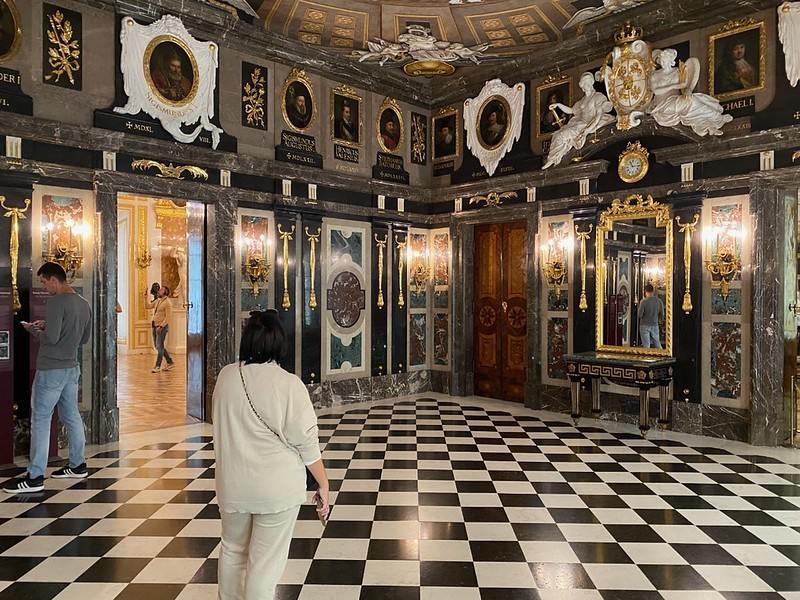
La trayectoria arquitectónica del Castillo refleja el propio pasado complejo de Polonia. Comenzando como una fortaleza gótica en el siglo XIV, experimentó transformaciones sucesivas, absorbiendo influencias del manierismo italiano antes de culminar en el esplendor barroco y manierista que vemos hoy. Esta evolución estilística se muestra bellamente a través de las diversas secciones del castillo. El Gran Apartamento, por ejemplo, emana una opulencia regia con sus salas de estado lujosamente decoradas y diseñadas para ceremonias oficiales, mientras que la Sala Canaletto ofrece una visión conmovedora de la Varsovia de antaño a través de la extraordinaria colección de pinturas de Giovanni Antonio Canal: representaciones que sirven como registros invaluables de un paisaje urbano perdido. Igualmente cautivadores son los Apartamentos Privados Reales, que ofrecen una mirada íntima a la vida cotidiana de la realeza polaca, revelando sus gustos, hábitos y las historias humanas que se esconden tras la corona.
Un Tesoro de Identidad Nacional y Maestría Artística
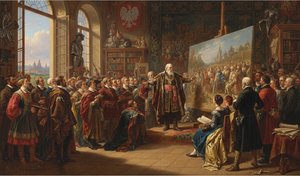
La colección albergada dentro de estos muros reconstruidos es un impresionante conjunto de obras de arte que abarcan siglos, sirviendo como un puente entre el glorioso pasado de Polonia y su renacimiento moderno. El museo posee obras maestras profundamente entrelazadas con la conciencia nacional, tales como La Constitución del 3 de mayo de 1791 de Jan Matejko, una conmovedora representación del orgullo nacional que captura la gravedad de un momento histórico definitorio. Junto a estos grandes lienzos históricos, los visitantes pueden encontrarse con las delicadas obras de Marcello Bacciarelli y la maestría ilusionista de Cornelis Norbertus Gijsbrechts. Este último, maestro flamenco del trompe l'œil y de la naturaleza muerta vanitas, aporta una atmósfera contemplativa al castillo, invitando a los huéspedes a reflexionar sobre preguntas atemporales acerca de la belleza, la memoria y la naturaleza fugaz de la existencia humana.
Más allá del lienzo, el castillo es un santuario para la escultura y las artes decorativas que reflejan las mareas cambiantes de las tradiciones artísticas polacas. Para el amante o coleccionista de arte, el museo ofrece un encuentro profundo con los valores estéticos de eras anteriores, mientras que para el diseñador de interiores, el castillo sirve como una fuente de inspiración inigualable, haciendo eco de una sensación de elegancia regia y profundidad histórica. Ya sea a través de exposiciones temporales que profundizan en los matices de la cultura polaca o mediante las exhibiciones permanentes de las insignias reales, el Castillo Real permanece como un centro vibrante para la educación y la investigación, invitando a todos los que entran a conectar con el rico patrimonio de Polonia.
Un Monumento Vivo de Esperanza
Designado como Patrimonio de la Humanidad por la UNESCO en 1980, el Castillo Real conmemora algo más que su belleza arquitectónica; honra su papel como cuna del constitucionalismo polaco y símbolo de la resistencia nacional durante la Segunda Guerra Mundial. Representa el espíritu inquebrantable del pueblo polaco: su capacidad de resiliencia, su dedicación a preservar su patrimonio cultural y su determinación para reconstruir tras una pérdida inimaginable. Hoy en día, atrayendo a más de dos millones de visitantes anualmente, el Castillo continúa sirviendo como un destino que resuena profundamente en cualquiera que busque comprender el triunfo del espíritu humano. Es un lugar donde la historia cobra vida, ofreciendo una experiencia profunda que perdura mucho después de haber cruzado sus grandiosas puertas reconstruidas.