Un Palacio de Esplendor Flamenco: El Legado Vivo de la Casa de Rubens
En el corazón de Amberes, donde las calles empedradas susurran relatos de una edad dorada, se erige la Casa de Rubens —no meramente un museo, sino un monumento palpitante a la audacia pura del Barroco flamenco. Cruzar su umbral es trascender los límites del tiempo, dejando atrás el mundo moderno para adentrarse en un santuario meticulosamente reconstruido que alguna vez sirvió como residencia y taller de Sir Peter Paul Rubens . Esta maravilla arquitectónica, que encarna la grandeza de un palazzo del Renacimiento italiano, fue diseñada por el propio maestro. Inspirado por sus viajes transformadores a través de Florencia, Rubens infundió los cimientos mismos de este edificio con ideales clásicos, creando un espacio donde la intimidad residencial se encuentra con la ambición monumental.
Para el amante del arte y el conocedor de los bellos interiores, la casa ofrece una visión excepcional de cómo un titán del siglo XVII vivió, trabajó y moldeó el paisaje cultural de Europa. La arquitectura es una clase magistral sobre la fusión de la tradición del norte de Europa y la elegancia mediterránea. Su impactante fachada, con proporciones sofisticadas, refleja la profunda fascinación de Rubens por el mundo clásico, una pasión que más tarde definiría sus composiciones cargadas de emoción. En su interior, el viaje continúa a través de un patio central y una serie de estancias que funcionan como una ventana al alma creativa del artista. Estos espacios están adornados con auténticas piezas de época y elementos decorativos que evocan la atmósfera opulenta de la era barroca. Para los diseñantes de interiores en busca de inspiración, la casa proporciona un estudio sin igual de la textura, la luz y el dramático juego del espacio.
Obras Maestras y el Alma Creativa
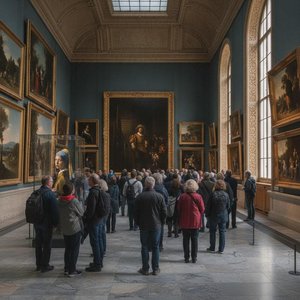
El verdadero corazón del museo reside en su extraordinaria colección de obras maestras. Las paredes están engalanadas con piezas que capturan la esencia misma del movimiento, el color y la sensualidad. Los visitantes suelen quedar sumidos en el silencio ante la presencia de “Adán y Eva” , una representación monumental de la narrativa bíblica de la creación que muestra la capacidad inigualable del artista para plasmar la emoción humana y la vitalidad física. Igualmente cautivador es el propio Autorretrato de Rubens, una conmovedora meditación visual sobre la identidad y la ambición que revela la profundidad psicológica detrás de la destreza técnica del pintor.
Más allá de la figura central del maestro, el museo preserva contribuciones significativas de sus alumnos y contemporáneos más talentosos, ilustrando el entorno artístico vibrante e interconectado que floreció entre estos mismos muros. Entre las figuras notables se encuentran:
- David Teniers el Viejo , cuya presencia resalta la amplitud del talento flamenco.
- Erasmus Quellinus II , que representa el rico espíritu colaborativo de la época.
Más allá de su función como galería, la Casa de Rubens sirve como un centro vital para el descubrimiento académico a través del Rubenianum . Este archivo y centro de investigación especializado constituye un recurso invaluable tanto para historiadores como para coleccionistas, ofreciendo acceso a documentos inéditos y análisis detallados que profundizan nuestra comprensión del Barroco flamenco. Ya sea que uno se sienta atraído por el dramático claroscuro de las pinturas, la grandeza arquitectónica del estudio o el peso histórico del legado del artista, la Casa de Rubens se erige como una peregrinación esencial para cualquiera que esté cautivado por el poder perdurable del arte.