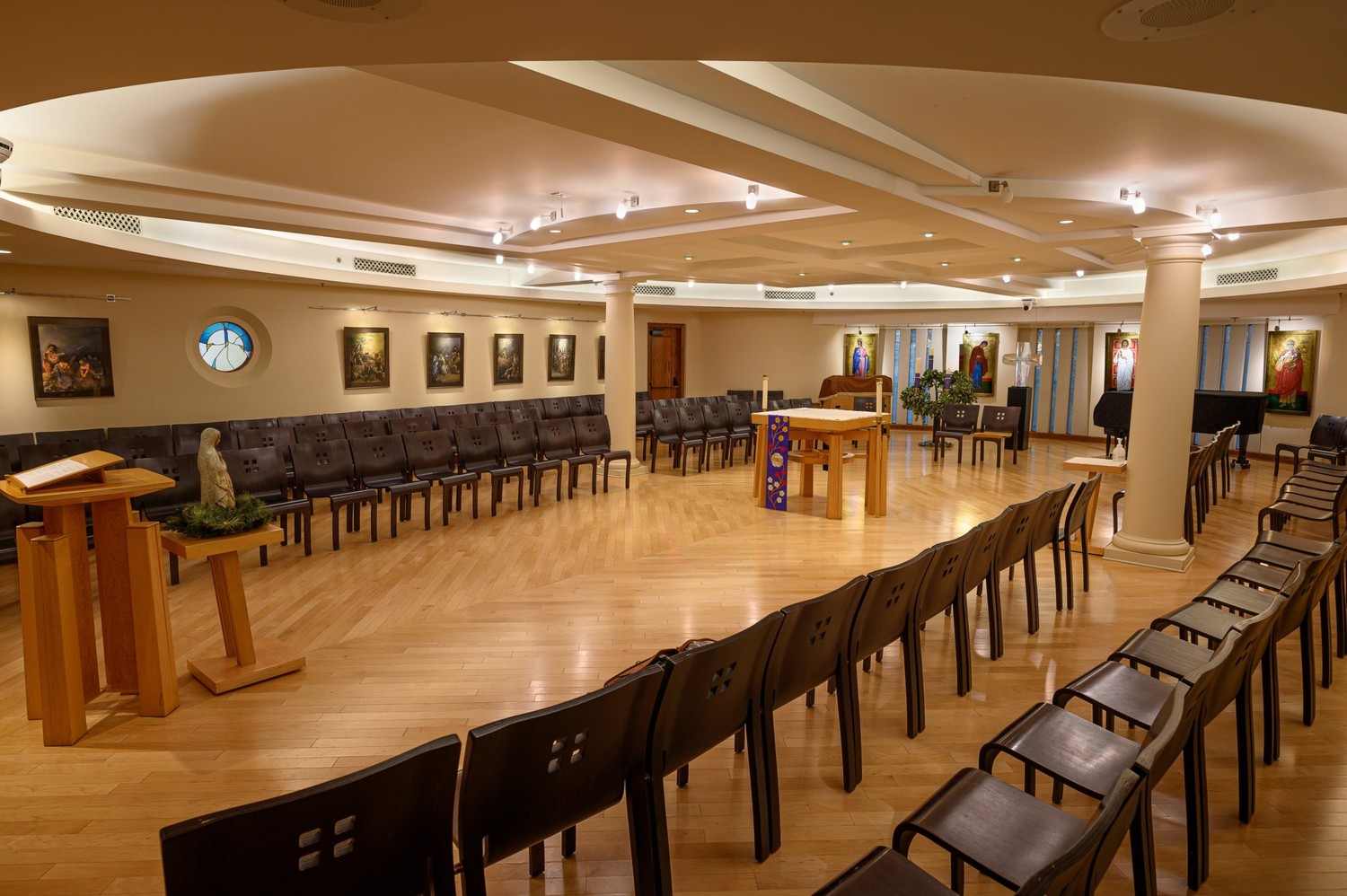


St Joseph Chapel: A Baroque Echo in Hungarian Heartland
St Joseph Chapel stands as a serene sanctuary nestled within Balasszújfalu, Hungary—a place where the enduring spirit of faith intertwines with the beauty of meticulously preserved architectural heritage. More than just a building, it’s a window into Hungary's artistic past and a testament to its commitment to safeguarding cultural treasures.- About St Joseph Chapel: Located in Balasszújfalu, this chapel embodies traditional Hungarian church design, characterized by graceful proportions and understated elegance. Its walls whisper tales of centuries gone by, reflecting the spiritual values of generations past.
- Religious Architecture: The chapel’s structure reflects the Baroque influence prevalent during its construction, notably through Carlo Urbino's masterful fresco depicting St. Joseph—a cornerstone of Hungarian Renaissance art. Observe the intricate detailing and harmonious symmetry – elements that speak to the grandeur of European artistic sensibilities during the 16th century.
The Chapel’s history stretches back centuries, rooted in the traditions of Balasszújfalu and reflecting a deep devotion to St. Joseph. While precise records remain elusive, its recent revitalization underscores the community's dedication to preserving this vital landmark—a tangible connection to Hungary’s spiritual past. The chapel’s enduring presence serves as a poignant reminder of Hungary’s artistic legacy.
Carlo Urbino’s Baroque Vision
A singular artistic achievement graces St Joseph Chapel: Carlo Urbino’s ‘St. Joseph’s Chapel’ (1540). This breathtaking fresco exemplifies the dynamism and grandeur of Italian Baroque art, capturing Saint Joseph in a dramatic pose amidst swirling drapery—a masterful demonstration of technique and compositional skill. Urbino skillfully employed chiaroscuro – the skillful manipulation of light and shadow – to imbue the scene with palpable emotion and depth, creating an unforgettable visual experience for viewers.- Notable Features: The fresco’s composition is deliberately balanced, emphasizing St Joseph's central role within the narrative—a testament to Urbino’s artistic prowess and his understanding of Baroque aesthetics.
Beyond its artistic merit, St Joseph Chapel serves as a reminder of Hungary’s rich cultural heritage. Its tranquil setting invites contemplation and offers visitors an opportunity to appreciate the legacy of Baroque artistry within a beautifully maintained historic space.
Exploring Related Artistic Inspirations
To further enrich your understanding of Hungarian artistic traditions, consider examining Samuel Prout's ‘The Chapel Of St Joseph Of Arimathea, Glastonbury,’ showcasing similar stylistic elements and spiritual themes. This chapel’s design echoes the grandeur of English Baroque churches, reflecting a shared fascination with ornate decoration and dramatic visual storytelling. Similarly, Joseph Kennedy’s “The Fish Shambles, St Nicholas’ Chapel and ‘The Old Star’ Inn” exemplifies the broader context of religious art in Devon—a region renowned for its ecclesiastical architecture and artistic heritage.
These artworks offer valuable comparative insights into artistic conventions and visual storytelling—illuminating the enduring fascination with faith and beauty across centuries. They serve as a powerful reminder that artistic expression transcends geographical boundaries, uniting cultures through shared aesthetic ideals.