

Información clave
- Location: Stamford, Estados Unidos de América
- Works on APS: 1
- Alternate names:
- Burghley House
- Burghley
- BH
- Art types: arte de pared
- Ver más…
- Movements: manierismo renacentista
- Featured artists: Paolo Veronese
- Mediums: óleo sobre lienzo
Test de arte
Cada pregunta tiene una única respuesta correcta.
Pregunta 1:
¿Cuál fue el principal asesor de Isabel I?
Pregunta 2:
¿En qué siglo se construyó principalmente Burghley House?
Pregunta 3:
¿Qué tipo de arquitectura caracteriza a Burghley House?
Pregunta 4:
¿Quién diseñó los jardines de Burghley House?
Pregunta 5:
¿Qué película famosa utilizó Burghley House como escenario?
Artistas en la colección

Paolo Veronese
Descubre a Paolo Veronese (1528-1588), maestro veneciano de color vibrante y escenas opulentas. Explora su legado junto a Tiziano y Tintoretto en OriginalUniqueArt.

Artículos relacionados
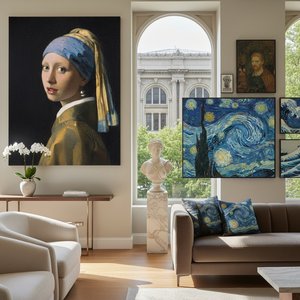
Las 25 Obras Maestras del MET: Arte, Historia y Decoración para tu Hogar
Descubre las 25 obras maestras del MET de Nueva York: Van Gogh, Monet, Rembrandt y más. Explora la historia, el arte y los colores que inspiran tu hogar. Reproducciones de museo en OriginalUniqueArt.com.
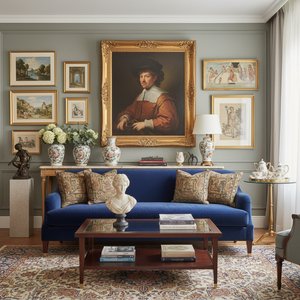
Los 25 Tesoros del Hermitage: Arte Clásico para tu Hogar | OriginalUniqueArt
Descubre los 25 tesoros del Museo Hermitage de San Petersburgo. Explora la historia y belleza de Rembrandt, Leonardo da Vinci y más. Reproducciones de arte en OriginalUniqueArt.com para decorar tu hogar con obras maestras.
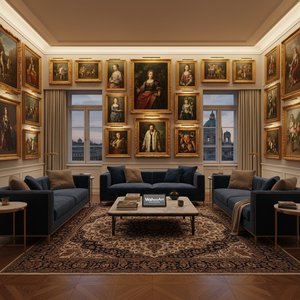
Los 25 Tesoros del Kunsthistorisches Museum de Viena: Arte, Historia y Decoración Exclusiva
Descubre los 25 tesoros del Kunsthistorisches Museum de Viena. Explora obras maestras de Rafael, Rembrandt y Vermeer, su historia y técnica. Encuentra reproducciones de arte exclusivas para decorar tu hogar con elegancia. ¡Explora la colección completa en OriginalUniqueArt.com!


Suscríbete a nuestro boletín informativo
Manténgase al día con las últimas noticias de arte, ofertas exclusivas e ideas de decoración.
Obtén 3 sugerencias de arte gratuitas
Cuéntanos sobre tu proyecto y nuestros expertos en arte te ofrecerán 3 sugerencias de obras personalizadas.
Not Sure Where to Start?
Let Us Curate 3 Options Just for You - Free!