Un Santuario de Elegancia Eduardiana
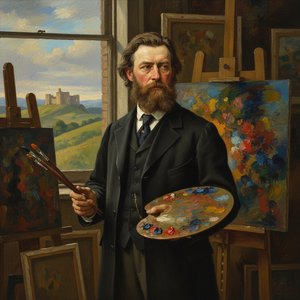
Enclavada entre la belleza azotada por el viento de la costa de Galloway, Broughton House se erige no solo como una residencia, sino como un profundo testimonio de la intersección entre la vida y el arte. Esta casa señorial del siglo XVIII, que evolucionó bajo las manos visionarias del célebre impresionista escocés E.A. Hornel , ofrece una mirada excepcional a una era en la que la arquitectura y la pasión estética estaban inextricablemente ligadas. Al aproximarse a su imponente fachada con vistas al puerto de Kirkcudbreight, la sensación de historia se vuelve palpable. La casa, remodelada en 1901, sirve como un ejemplar bellamente preservado de la elegancia eduardiana, especialmente a través de las ampliaciones encargadas por el propio Hornel. Trabajando junto al renombrado arquitecto de Glasgow John Keppie , Hornel transformó este espacio en un verdadero santuario para el pintor, dotado de un estudio y una galería inundados de luz que continúan inspirando a quienes buscan lo sublime en la estructura y la forma.El Vibrante Legado de los Glasgow Boys
Adentrarse en Broughton House es entrar en un mundo saturado de color y movimiento expresivo. La colección del museo es un notable conjunto de obras del movimiento Glasgow Boys , un grupo de artistas que revolucionó la pintura escocesa al romper con el academicismo tradicional en favor de técnicas impresionistas audaces. Los visitantes pueden recorrer estancias meticulosamente recreadas, amuebladas con decoración eduardiana original que proporciona un escenario impresionante para estas obras maestras. Las pinturas en sí —caracterizadas por sus texturas luminosas y pinceladas emotivas— capturan el espíritu mismo de una era transformadora. Para el coleccionista o el diseñador de interiores, la colección ofrece un estudio sin igual sobre cómo el arte interactúa con su entorno; la forma en que la luz danza sobre un lienzo de Hornel dentro del contexto de su propio espacio doméstico cuidadosamente curado es nada menos que poética.Más allá de los lienzos, la casa preserva la historia íntima de la familia Hornel, incluyendo los conmovedores diarios de Eliza Hornel , que iluminan las corrientes sociales e intelectuales de principios del siglo XX. Esta colección de narrativas personales añade una capa de profundidad humana al esplendor visual, convirtiendo al museo en un repositorio tanto de innovación artística como de historia social.
Una Fusión Armoniosa de Naturaleza y Espíritu
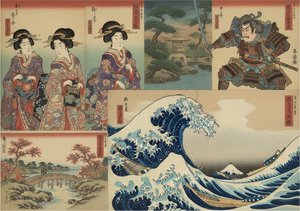
Quizás la característica más encantadora de esta propiedad se encuentra justo más allá de sus muros, donde los límites entre lo creado por el hombre y lo natural se disuelven en un oasis de tranquilidad. El jardín japonés en Broughton House es una rareza exquisita en el paisaje escocés, nacida de la profunda fascinación de Hornel por la estética del Lejano Oriente tras sus transformadores viajes a Japón. Este espacio meticulosamente diseñado encarna los principios de armonía y contemplación, ofreciendo un lienzo vivo que refleja la propia evolución estilística del artista. Es un lugar donde la minuciosidad del diseño de jardines japoneses se encuentra con la belleza agreste de la costa escocesa, creando una experiencia sensorial que es, a la vez, terrenal y etérea.Ya sea que uno se sienta atraído por los ecos literarios de Robert Burns o por el esplendor silencioso de la flora, Broughton House permanece como un destino atemporal: un museo vivo donde el legado de los Glasgow Boys continúa floreciendo en cada rincón, desde sus galerías legendarias hasta sus senderos serenos y bañados por el sol.