A Journey Through Time at the Biblioteca Riccardiana
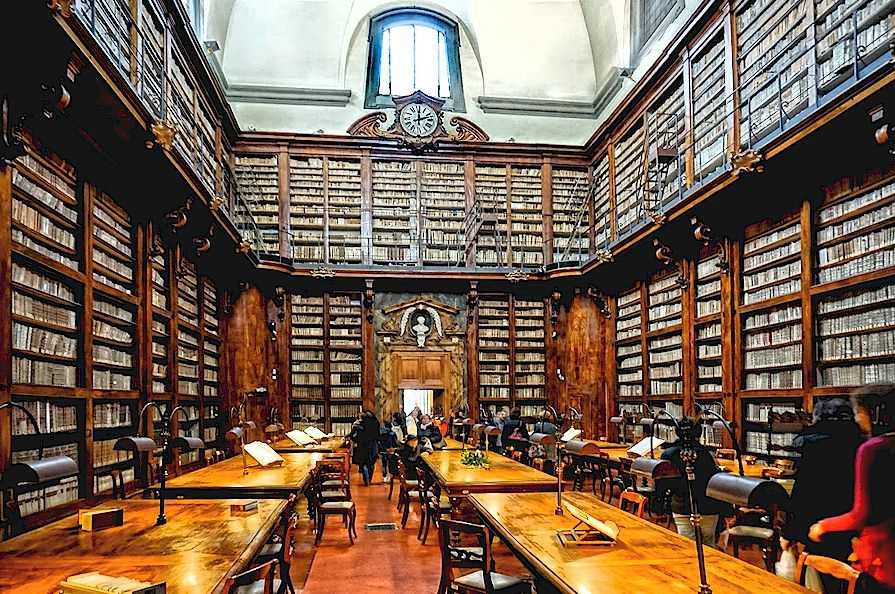
The Biblioteca Riccardiana stands as a singular testament to Florentine Renaissance grandeur—a repository not merely of books but of an ethos dedicated to intellectual pursuit and artistic splendor. Established in 1659 by Gabriello Riccardi, Marquis Francesco di Cosimo envisioned this palazzo’s interior as more than just a library; he conceived it as a “private museum,” transforming opulent rooms into sanctuaries for scholarly contemplation and demonstrating the Riccardi family's ambition to secure their place amongst Florence’s most influential noble houses. Today, visitors can immerse themselves in an experience unlike any other—a chance to step back centuries and witness firsthand the atmosphere of a bygone era – an unparalleled destination for anyone captivated by art history or the enduring legacy of humanist thought.
Architectural Grandeur and Decorative Detail
The palazzo itself is a masterpiece of Baroque architecture, reflecting the ambition of its patrons and embodying the stylistic ideals prevalent during Francesco I Riccardi’s reign. Designed by Filippo Brunelleschi—the architect who revolutionized construction techniques with his dome for Santa Maria del Fiore—the building incorporates innovative structural solutions alongside breathtaking ornamentation. Intricate carvings adorn the walls and ceilings, showcasing masterful craftsmanship that speaks to the wealth and prestige of the Riccardi family. These sculptures depict mythological figures and allegorical representations of virtue, reflecting the Renaissance fascination with classical ideals and reinforcing the palazzo’s status as a symbol of aristocratic refinement. Particularly noteworthy is the vault fresco by Luca Giordano—a monumental artwork commissioned by Francesco I Riccardi himself—which depicts scenes from human life intended to elevate the mind through visual storytelling. The meticulous gilding, combined with exquisitely sculpted floral motifs and geometric patterns, exemplifies the Baroque obsession with opulent embellishment and underscores the Biblioteca Riccardiana’s position as a beacon of Baroque art.
Treasures Within: Collections That Speak Volumes
The Biblioteca Riccardiana's true brilliance resides in its extraordinary collections—a cornerstone of humanist learning and a tangible embodiment of Florentine intellectual heritage. Approximately 4,460 bound manuscripts constitute the core of its holdings, representing texts spanning centuries and encompassing disciplines ranging from theology to philosophy to literature. Alongside these invaluable documents are 5,620 unbound pages containing original drafts and annotations by prominent thinkers and writers—a remarkable glimpse into the creative process of Renaissance luminaries. Furthermore, the library boasts an impressive assemblage of incunabules—books printed before 1501—marking some of the earliest milestones in printing technology and providing invaluable insights into the dissemination of knowledge during the Renaissance. These early printed volumes bear witness to the burgeoning interest in scientific inquiry and artistic innovation that characterized the period.
A particular highlight is undoubtedly Luca Giordano’s frescoes adorning the palazzo's vault. Commissioned by Francesco I Riccardi, these monumental paintings depict scenes from human life—a deliberate effort to elevate the mind through visual storytelling. Adjacent to this gallery is another stunning space showcasing Giordano’s artistic prowess, further enriching the visitor’s experience and solidifying the Biblioteca Riccardiana’s position as a beacon of Baroque art. The meticulous attention to detail—from the vibrant pigments to the masterful composition—demonstrates Giordano's unparalleled skill and underscores the palazzo’s significance as a showcase for Baroque artistry.
Beyond Preservation: Exhibitions and Ongoing Research
The Biblioteca Riccardiana actively engages in scholarly research and hosts occasional exhibitions that illuminate lesser-known aspects of its holdings. Recent initiatives have focused on exploring connections between Florentine intellectual life and European artistic trends, demonstrating the museum’s commitment to fostering dialogue between art history and humanities disciplines. Moreover, ongoing conservation efforts ensure that these irreplaceable treasures continue to inspire future generations of scholars and artists—a vital contribution to preserving cultural heritage for years to come. The Biblioteca Riccardiana's curators diligently undertake meticulous documentation and analysis of its manuscripts and prints, furthering our understanding of Renaissance culture and fostering appreciation for the enduring beauty of handwritten texts.
A Unique Sensory Experience
What distinguishes Biblioteca Riccardiana from countless other libraries is its immersive atmosphere—a palpable sense of time suspended within the palazzo’s walls. The scent of aged parchment hangs in the air, mingling with subtle notes of beeswax polish—a testament to centuries of careful stewardship. Soft candlelight illuminates ancient texts, casting a warm glow upon their illuminated pages and inviting contemplation. And the sheer scale of the architectural space—dominated by soaring ceilings and monumental frescoes—creates an unforgettable sensory experience that transports visitors back to the opulent splendor of the seventeenth century. It’s a place where one can immerse oneself in the spirit of Renaissance humanism, marvel at the artistry of Luca Giordano, and appreciate the profound legacy of Florentine intellectual heritage – a truly exceptional destination for anyone seeking inspiration from the past.