


Un Monumento al Esplendor Bávaro
Enclavado en el corazón de Múnich, el Bayerisches Nationalmuseum se erige como un testimonio monumental del legado artístico y cultural de Baviera y sus alrededores. Fundado en 1855 por el rey Maximiliano II —un monarca con un profundo aprecio por las artes—, el museo ha florecido desde una colección real hasta convertirse en una de las instituciones más significativas de Europa dedicadas a las artes decorativas y la historia cultural. El aire mismo entre sus muros parece susurrar historias de reyes y plebeyos, de artesanos e innovadores, donde cada pieza es un fragment de una narrativa rica y compleja. Adentrarse en él es embarcarse en un viaje a través del tiempo, donde las fronteras entre el artefacto histórico y las bellas artes se disuelven en una experiencia de belleza ininterrumpida.
La arquitectura misma sirve como un gran prólogo a los tesoros que alberga. Construido entre 1894 y 1900 por el visionario Gabriel von Seidl, el edificio es un ejemplo impresionante del historicismo, un estilo que revive conscientemente las formas históricas para evocar una sensación de atemporalidad. Su grandiosa fachada, adornada con tallados intrincados e imponentes esculturas, transmite de inmediato un sentimiento de reverencia por el pasado. Las espaciosas salas de exposición, que abarcan aproximadamente 13.000 metros cuadrados distribuidos en tres plantas, no son meramente espacios funcionales, sino obras de arte en sí mismas. Para el diseñador de interiores o el amante de la estética clásica, la deliberada evocación de la historia por parte del edificio proporciona una atmósfera inigualable de grandeza palaciega.
Obras Maestras de Técnica y Espíritu
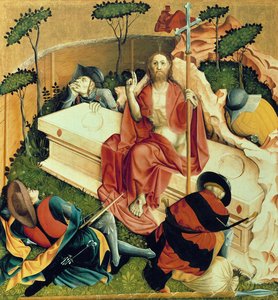
La amplitud de la colección es verdaderamente notable, ofreciendo una deslumbrante variedad de texturas, materiales y épocas. El arte medieval ocupa el lugar central, donde esculturas impresionantes de maestros como Tilman Riemenschneider y Erasmus Grasser evocan un profundo sentido de devoción espiritual y maestría técnica. Delicados tallados en marfil revelan un nivel de detalle asombroso, mientras que las vidrieras góticas proyectan una luz etérea y transformadora sobre conjuntos de cámara, incluyendo la famosa Zunftstube de los tejedores de Augsburgo: una estancia completa que ofrece una instantánea vívida e inmersiva de la vida gremial medieval.
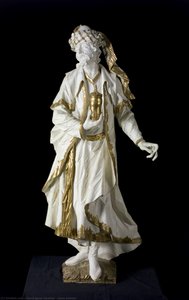
Más allá de lo espiritual y lo medieval, el museo celebra la elegancia lúdica de la era Rococo a través de su mundialmente reconocida colección de porcelana de Nymphenburg. Las figuras caprichosas creadas por Franz Anton Bustelli son particularmente celebradas, mostrando una maestría sin igual en el arte cerámico que captura el espíritu alegre de la época. Esta exquisita porcelana convive con un vasto tesoro de textiles, mobiliario, orfebrería e instrumentos musicales; cada objeto ha sido meticulosamente elegido para iluminar diferentes facetas de la vida bávara. Para los coleccionistas, estas piezas representan más que una mera decoración; son piedras angulares del ingenio humano y la evolución estética.
Un Archivo Vivo de Identidad Cultural
Lo que realmente distingue al Bayerisches Nationalmuseum es su enfoque integral de la historia cultural, yendo más allá de la exhibición de objetos bellos para contextualizarlos dentro del tapiz más amplio de la vida bávara. El museo no se limita a presentar el arte de forma aislada; entrelaza trajes tradicionales, artefactos del folclore y documentos históricos para ofrecer vislumbres íntimos de las rutinas diarias, celebraciones y creencias de la gente de la región. Este compromiso con la narrativa asegura que cada visitante, ya sea un académico o un entusiasta casual, encuentre una conexión personal con el pasado.
Esta dedicación a la custodia también se extiende al papel moderno del museo como centro de investigación y preservación ética. A través de exposiciones cautivadoras —como los diálogos recientes entre artistas contemporáneos como Ernst Gamperl y las artesanías históricas—, la institución permanece como un archivo vibrante y vivo. Es un lugar donde la historia se siente viva, no simplemente preservada tras un cristal, sino tejida en la esencia misma de la experiencia del visitante. Para cualquiera que busque inspiración en el poder perdurable de la artesanía, el Bayerisches Nationalmuseum sigue siendo un destino esencial, un verdadero tesoro esperando ser descubierto.


