Menú
Asesoría de arte gratuita

Basilica Di San Frediano

Información clave

  • Alternate names:
    • Basílica Di San Frediano
    • San Frediano
    • Basílica de San Frediano
    • Iglesia de San Frediano
    • Basílica di San Frediano
  • Works on APS: 2
  • Location: Lucca, Italia
  • Featured artists: Jacopo della Quercia

Test de arte

Cada pregunta tiene una única respuesta correcta.

Pregunta 1:
¿Qué estilo arquitectónico predomina en la Basílica de San Frediano?
Pregunta 2:
El mosaico de la fachada de San Frediano representa:
Pregunta 3:
¿Quién es reconocido por esculturas como el Tomb of Ilaria del Carretto y Fonte Gaia?
Pregunta 4:
¿Por qué la Basílica de San Frediano destaca en el patrimonio cultural de Lucca?
Pregunta 5:
¿Qué caracteriza la obra maestra de Francesco Francia, conocida como La Altarpiece de Santa Ana?

Basilica of San Frediano – A Jewel of Romanesque Lucca

The Basilica di San Frediano in Lucca stands as a beacon of artistic achievement and spiritual contemplation—a cornerstone of Lucca’s medieval heritage that continues to inspire awe centuries later. Situated at the heart of Piazza San Frediano, this church isn't merely a building; it’s a living narrative etched in stone, meticulously preserved for visitors eager to delve into its captivating story and appreciate its unparalleled beauty. Founded in the 6th century by Saint Vincent—later renamed St. Frediano—the basilica experienced significant transformations during the 12th and 13th centuries, resulting in the magnificent Romanesque edifice that dominates Lucca’s skyline today—a harmonious fusion of architectural grandeur and artistic innovation.

Architecture & History: The Soul of Lucca's Past

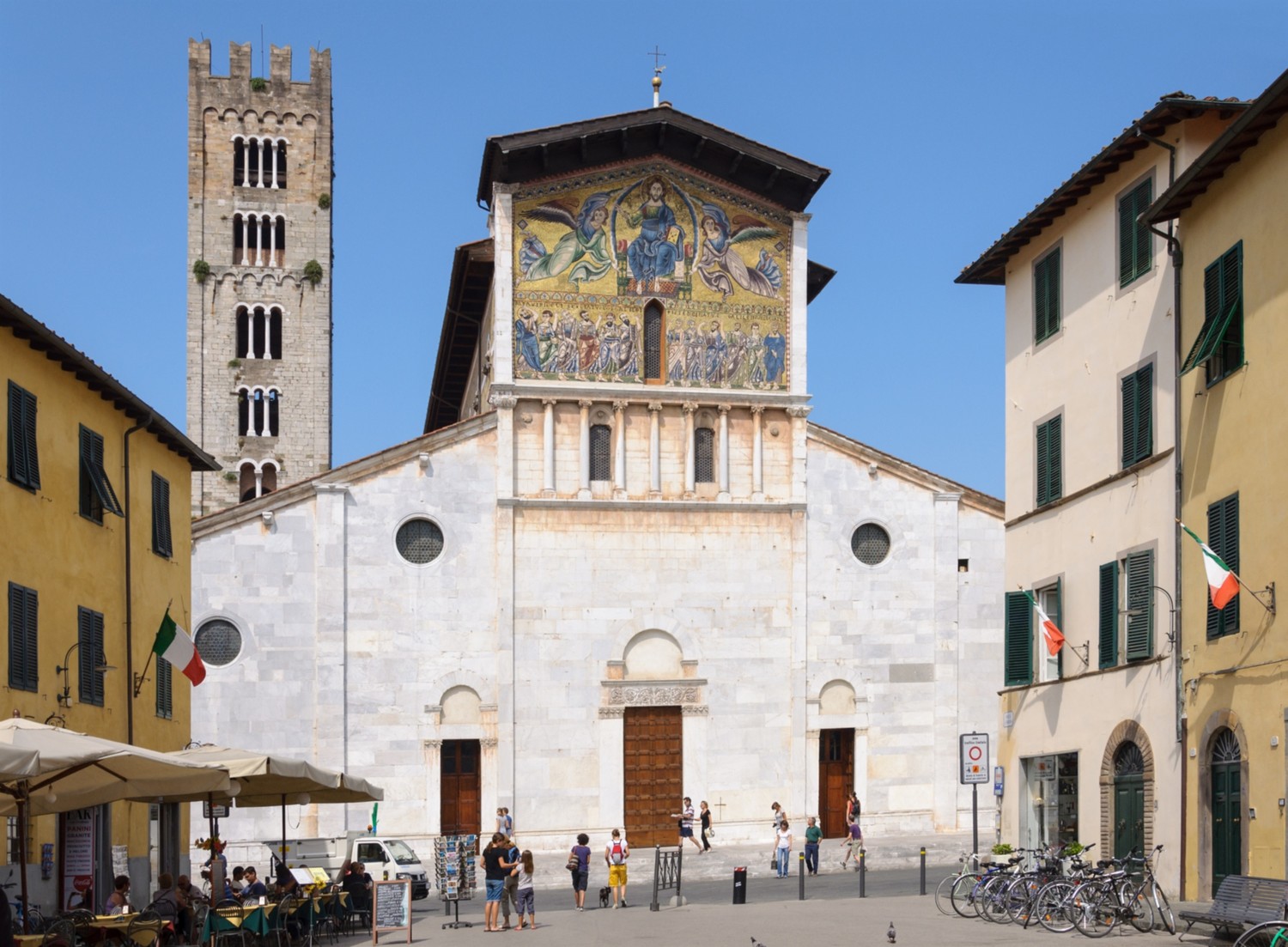
The Basilica’s exterior façade is dominated by a breathtaking mosaic depicting Christ’s Ascension, crafted by Lucca’s renowned Berlinghieri Berlinghieri school in the Byzantine style. This monumental artwork—one of Tuscany’s finest examples—represents a pivotal moment in Lucca’s artistic heritage and reflects the broader trends of European medieval art. The mosaic's vibrant hues and intricate detail speak to the fervor of faith that permeated Lucca during its formative years, showcasing the mastery of Luccan artisans who sought to capture divine majesty on stone. Furthermore, the basilica’s structure—characterized by smooth curtain walls devoid of projections and arches—echoes the architectural traditions of Northern Italy, demonstrating Lucca's engagement with broader European artistic currents. Its history stretches back to Saint Vincent’s original chapel, which was later expanded during the Lombard era and subsequently recognized as a bishopric seat in 1104.

Collection Highlights: Treasures Within Sacred Walls

Within San Frediano’s walls reside treasures that illuminate the devotional practices of the era—a testament to Lucca's artistic legacy. The Basilica houses remarkable sculptures by Jacopo della Quercia, whose works skillfully blend Gothic and classical influences, demonstrating the artistic dynamism of the Renaissance. Particularly noteworthy is Jacopo della Quercia’s Tomb of Ilaria del Carretto—a masterpiece of funerary sculpture that embodies humanist ideals and reflects Lucca's intellectual curiosity during its golden age. The basilica also boasts a stunning chapel adorned with frescoes by Amico Aspertini, depicting scenes from the Bible with exquisite detail and vibrant color palettes. These artworks offer invaluable insights into medieval spirituality and artistic technique—a captivating glimpse into Lucca’s cultural past.

Notable Exhibitions: Illuminating Artistic Dialogue

Throughout its history, San Frediano has hosted significant exhibitions showcasing illuminated manuscripts and religious art from across Europe—events that fostered intellectual exchange and enriched Lucca's cultural landscape. These exhibitions drew scholars and artists alike, stimulating dialogue about artistic styles, theological concepts, and the role of art in shaping society. They served as a reminder that San Frediano wasn’t merely a place of worship; it was a center of artistic innovation—a crucible where traditions converged to produce masterpieces that endure to this day.

What Makes San Frediano Unique? A Synthesis of Style & Spirit

What distinguishes San Frediano from countless other churches is its remarkable preservation—a tangible connection to Lucca’s medieval past. The basilica's architectural style, combined with its exceptional artistic treasures—particularly the mosaic façade and Jacopo della Quercia’s sculptures—creates an experience unlike any other, inviting contemplation and fostering appreciation for the enduring power of art. Its harmonious blend of Romanesque grandeur and Renaissance refinement exemplifies Lucca’s artistic identity—a legacy that continues to inspire visitors from around the globe. A Visit Worth Remembering: Located in Lucca’s historic center, San Frediano welcomes visitors with open arms. Allow ample time to explore its interior spaces, marvel at its artistic splendor, and reflect upon the basilica's profound spiritual heritage—a journey back in time that promises to captivate your senses and nourish your soul.

Catálogo de obras de arte

No se encontraron obras de arte.