Basilica of San Zeno: A Verona Jewel
The Basilica di San Zeno in Verona isn’t merely a church; it's a palimpsest of faith, artistry, and history etched into stone and bronze. Standing as a proud UNESCO World Heritage site, this Romanesque masterpiece invites visitors on a journey through centuries, revealing layers of cultural significance that resonate with both spiritual seekers and art enthusiasts alike. Its very foundations whisper tales of ancient Roman cemeteries and early Christian worship, evolving over time from a humble 9th-century sanctuary to the magnificent structure we see today—a testament to resilience in the face of invasions and natural disasters. The dedication to Saint Zeno, Verona’s patron saint, imbues the basilica with a profound sense of local identity and enduring devotion.
Architectural Harmony & Symbolic Detail
Approaching San Zeno is an experience in itself. The façade, a harmonious blend of warm-toned tufa stone and brickwork, immediately captivates. This striking contrast isn’t merely aesthetic; it reflects the architectural influences of Lombard-Emilian traditions seamlessly integrated into the Veronese landscape. The interplay of arches, columns, and sculptures creates a dynamic rhythm that draws the eye upwards, culminating in the famed rose window—the “Wheel of Fortune”—a breathtaking feat of stonemasonry crafted by Brioloto de Balneo. This isn’t simply decoration; it's a medieval *memento mori*, a visual reminder of life’s fleeting nature and the cyclical passage of time. The intricately carved bronze portal, a masterpiece in its own right, unfolds like a biblical narrative, with panels depicting scenes from scripture and symbolic imagery that invite contemplation. Each detail—from the sculpted figures to the geometric patterns—contributes to an overall sense of spiritual grandeur and artistic refinement.
Mantegna’s Masterpiece & Interior Splendor
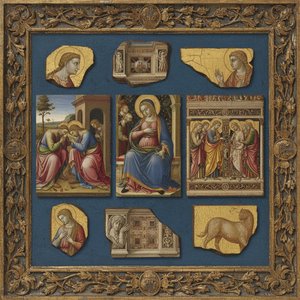
Stepping inside, one is enveloped in a serene atmosphere accentuated by the basilica’s medieval layout: a central nave flanked by side aisles that encourage quiet reflection. While the architecture itself is awe-inspiring, it serves as a magnificent frame for the artistic treasures within. Foremost among these is Andrea Mantegna’s *San Zeno Altarpiece* (Polyptych), an undeniable highlight of the basilica’s collection. This breathtaking work showcases Mantegna’s unparalleled mastery of perspective and detail, bringing biblical figures to life with remarkable realism and emotional depth. The altarpiece isn’t just a painting; it’s a window into the Renaissance spirit—a celebration of humanism and artistic innovation. Beyond Mantegna’s masterpiece, numerous sculptures adorn the interior, depicting saints, prophets, and symbolic motifs that further enrich the basilica’s visual narrative. Fragments of medieval frescoes, though weathered by time, offer tantalizing glimpses into the evolving artistic landscape of Verona throughout the centuries.
A Unique Synthesis of Styles & Enduring Legacy
What truly sets the Basilica di San Zeno apart is its unique synthesis of Romanesque architecture and Renaissance artistry. It’s a place where the solidity and spiritual weight of the medieval world meet the burgeoning humanism and technical brilliance of the Renaissance, creating a harmonious dialogue between different eras. This blend isn't accidental; it reflects Verona’s position as a cultural crossroads throughout history. More than just an architectural marvel or art repository, San Zeno remains a vibrant spiritual center—an active place of worship and pilgrimage that continues to foster a sense of community and devotion. It stands not only as a monument to the past but also as a living testament to Verona’s enduring faith and artistic legacy, inviting generations to come to experience its beauty and contemplate its profound meaning.
Exploring San Zeno Maggiore
The basilica is built on three levels, with the main floor, crypt and a raised presbytery. The nave is full of medieval frescoes, some of them painted on top of one another. The altarpiece is a 15th century triptych by Andrea Mantegna. Also famous are the bronze panels of the portal and the large rose window on the façade, called the “Wheel of Fortune”. The portico has sculptures representing Saint Zeno and Saint Augustine. The crypt houses the relics of Saint Zeno.
### Notable Exhibitions & Artistic Highlights
Throughout its history, San Zeno inspired numerous poets, including Dante Alighieri, Giosuè Carducci, Heinrich Heine, Gabriele D’Annunzio, and Berto Barbarani. Its artistic treasures continue to captivate visitors from around the globe, attracting scholars and art lovers alike. The basilica hosts periodic exhibitions showcasing masterpieces of Venetian painting and sculpture, offering insights into Verona's rich cultural heritage. Don’t miss the opportunity to admire Mantegna’s Altarpiece—a cornerstone of Renaissance art—and explore the intricate symbolism embedded in its decorative elements.
### Why Visit San Zeno?
A UNESCO World Heritage Site since 1973, San Zeno represents an exceptional example of Romanesque architecture and artistic expression. Its serene atmosphere, coupled with its captivating history and enduring spiritual significance, makes it a destination unlike any other. Allow yourself to be transported back in time as you wander through its magnificent halls and contemplate the beauty of its artworks—a truly unforgettable experience for anyone passionate about art and culture.