County Hall: A Journey Through Art & History
County Hall Northampton stands as a beacon of architectural grandeur and artistic accomplishment—a Grade II* listed building that encapsulates the spirit of Northamptonshire’s past and continues to inspire admiration today. More than simply a repository of artifacts, it's an immersive exploration into the region’s cultural identity, meticulously curated to illuminate its rich heritage. Situated prominently on George Row, Northampton’s main thoroughfare, this stately edifice commands attention with its symmetrical façade and soaring ceilings—a testament to the ambition of its creators and the enduring legacy of Baroque design.
### Architectural Marvel & Historical Context
Commissioned in 1676-78 by Sir Roger Norwich, 2nd Baronet, County Hall represents a pinnacle of Classic Renaissance architecture, skillfully executed by Edward Goudge. The building’s harmonious proportions and decorative embellishments—particularly the magnificent plasterwork ceiling depicting angels and saints—reflect the prevailing aesthetic ideals of the era and underscore Northamptonshire's position as a center of artistic patronage during the Stuart period. Beyond its visual splendor, County Hall served as the headquarters of Northamptonshire County Council for centuries, witnessing pivotal moments in local governance and fostering an atmosphere conducive to intellectual discourse. The Sessions House itself—a cornerstone of Northamptonshire’s legal history—houses remarkable artifacts documenting court proceedings and symbolizing the pursuit of justice throughout time.
### Artistic Treasures: Visions of Elegance & Welsh Landscapes
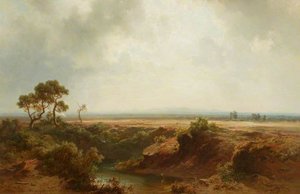
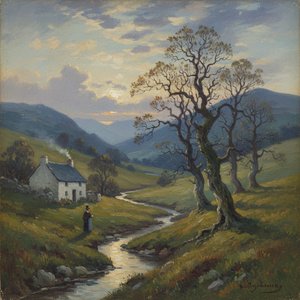
The museum's collection is enriched by masterpieces created by Jean-Baptiste Camille Bouchardy (Claret) and Kyffin Williams—artists who profoundly shaped Northamptonshire’s artistic landscape. Bouchardy’s portraits exemplify his mastery in capturing likenesses with remarkable accuracy while conveying psychological nuance—reflecting the refined tastes of Northamptonshire’s aristocratic elite during the 17th century. His canvases radiate sophistication, embodying the artistic standards of the time. Simultaneously, Williams' landscapes and portraits transport visitors to the serene Welsh countryside, evoking a sense of tranquility and capturing the beauty of nature with meticulous detail. His expressive brushstrokes imbue his works with emotion—demonstrating his profound understanding of artistic technique and conveying the spirit of Romanticism.
### Legal Legacy: Artifacts & The Sessions House Experience
Delving deeper into Northamptonshire’s history reveals a compelling narrative intertwined with legal tradition—a dimension powerfully conveyed through the museum's collection housed within the Sessions House. Documents detailing court proceedings, seals bearing royal insignia, and instruments of governance illuminate the evolution of law and order in the region—providing invaluable insights into Northamptonshire’s role in shaping British jurisprudence. Visitors can examine these tangible reminders of legal history—contributing to a broader understanding of Northamptonshire's cultural heritage.
### Beyond Walls: George Herbert Buckingham Holland & Local Artistic Expression
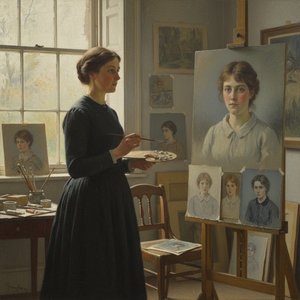
Adding another dimension to County Hall’s artistic tapestry is the contribution of George Herbert Buckingham Holland, a local artist whose portraits and depictions of Northamptonshire capture the essence of rural life during the Victorian era. His canvases embody the spirit of Romanticism—reflecting the broader cultural landscape of Northamptonshire. The museum's dedication to showcasing regional talent underscores its commitment to preserving Northamptonshire’s artistic heritage—a legacy that continues to inspire admiration and scholarly interest.