A Window Into Bologna’s Medieval Soul: Exploring the State Archives
The State Archives of Bologna aren't merely a repository for documents; it’s an experience—a journey back to the heart of medieval Italy. Situated in the historic center of Bologna, this institution stands as a testament to centuries of scholarly pursuit and artistic legacy, offering visitors a singular opportunity to connect with the formative years of European civilization. Its unassuming exterior belies the extraordinary treasures housed within its walls: illuminated manuscripts that whisper tales of faith and artistry, genealogical records charting familial lineages across generations, and an unparalleled collection documenting the political and social landscape of Bologna during its golden age.The Archives’ core strength lies in its remarkable assemblage of medieval documents—legal charters, ecclesiastical decrees, and administrative records—providing invaluable insight into the governance and daily life of Bolognese society. These meticulously preserved texts illuminate the intricacies of feudal law, the pronouncements of papal authority, and the administrative routines that governed urban administration during a period defined by both intellectual ferment and political upheaval.
- Collection Highlights: The Archives’ collection encompasses over 3 million documents spanning from the XIII century to the XIX century. Among its most prized possessions are legal instruments originating from papal courts, reflecting Bologna's role as a pivotal center of ecclesiastical governance; administrative records detailing urban planning and economic activity—providing tangible evidence of Bolognese prosperity during the Renaissance; and personal correspondence illuminating the lives of prominent Bolognese families and intellectuals.
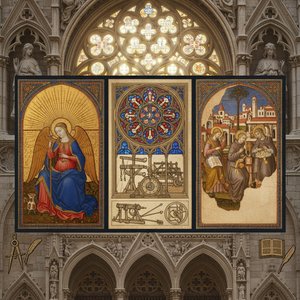
- The Liber Paradisus: This illuminated manuscript, dating back to the XIII century, exemplifies the artistic fervor of its time. Created by Benedictine monks, it showcases intricate geometric patterns interwoven with vibrant pigments—azure blues and golds—reflecting the theological symbolism prevalent in medieval art. Each page is a meticulously crafted masterpiece, demonstrating unparalleled skill in illumination technique and embodying the spiritual aspirations of the era. The manuscript’s delicate parchment surface bears witness to the painstaking labor involved in its production, highlighting the dedication of artisans committed to preserving sacred texts with exceptional artistry.
The building itself reflects Bologna’s evolving architectural history. Originally constructed during the XIII century as a monastic complex—specifically the Monastery of San Pietro al Monte—it underwent significant renovations throughout subsequent centuries—particularly during the Renaissance—resulting in a harmonious blend of Romanesque and Gothic styles. Careful observation reveals arched windows, ribbed vaults, and decorative sculptures that speak to the enduring influence of past eras. The monastery’s central courtyard, adorned with fountains and statues commemorating Saint Petronius—Bologna's patron saint—serves as a focal point for architectural grandeur and artistic contemplation.
- Architectural Context: The Monastery of San Pietro al Monte stands as an emblem of Bolognese architectural heritage. Its soaring nave, supported by massive columns adorned with Corinthian capitals, embodies the ambition of Gothic builders to elevate spaces toward divine splendor. Subsequent additions—including a Renaissance palazzo—further enriched Bologna’s urban landscape and underscored its commitment to artistic innovation.
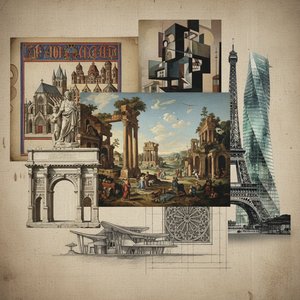
Beyond its tangible artifacts, the State Archives has hosted several noteworthy exhibitions focusing on themes ranging from Bolognese urban history to the role of monastic institutions in shaping cultural identity. These presentations have garnered critical acclaim for their scholarly rigor and visual appeal, attracting visitors from across Europe and bolstering Bologna’s reputation as a center for artistic research. Recent exhibitions have explored topics such as “Bologna Medieval: Art and Society,” showcasing reproductions of iconic artworks alongside detailed historical reconstructions—allowing viewers to immerse themselves in the atmosphere of medieval Bolognese life.
-
Notable Exhibitions:
The Archives’ curators have skillfully curated displays that illuminate Bologna's artistic achievements, from Giotto frescoes to Michelangelo sculptures. These exhibitions underscore the city’s enduring legacy as a cradle of Renaissance art and demonstrate the transformative power of scholarly investigation in reconstructing historical narratives.
What distinguishes the State Archives from other museums is its unwavering commitment to preserving and disseminating knowledge—a mission that extends far beyond mere conservation. Researchers, genealogists, and art historians alike find inspiration within its archives, fueling ongoing scholarship and fostering a deeper appreciation for Bologna’s multifaceted heritage. Visiting this institution isn't simply observing history; it’s actively participating in its unfolding narrative.