Winfred Nana Amoah: Transformando el desecho en visión
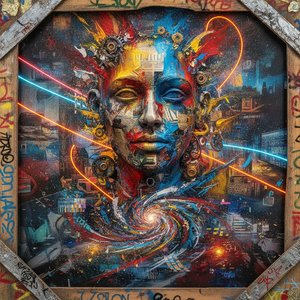
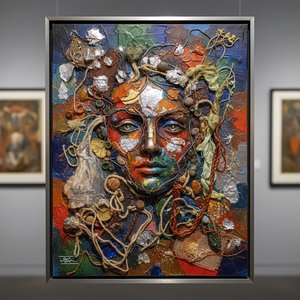
El viaje artístico de Winfred Nana Amoah comenzó en Hohoe, Ghana, una región impregnada de tradición y cada vez más moldeada por las complejidades de la vida moderna. Nacido en 1996, posee una comprensión innata tanto del patrimonio como de las preocupaciones contemporáneas, una dualidad que informa profundamente su enfoque distintivo de la creación artística. En lugar de depender de medios convencionales como pinceles y lienzos, Amoah defiende una reimaginación radical de la expresión artística a través de materiales reutilizados. Recolecta meticulosamente plásticos desechados, restos textiles, tarjetas de crédito antiguas, artículos de investigación y periódicos —objetos que a menudo se pasan por alto como basura— transformándolos en formas escultóricas que resuenan con significados estratificados.
Primeras influencias: Los años formativos de Amoah estuvieron marcados por la exposición al vibrante paisaje cultural de Ghana, fomentando un profundo aprecio por la narrativa y la representación visual dentro de las tradiciones indígenas.
Exploración de materiales: Su fascinación por los materiales reciclados surge del deseo de confrontar cuestiones de sostenibilidad y consumo de recursos, mientras honra simultáneamente la belleza inherencia a los objetos descartados. Él ve potencial donde otros perciben desperdicio.
Técnica y proceso: La técnica de Amoah se caracteriza por un minucioso ensamblaje y manipulación, combinando el tallado escultórico con métodos de tejido textil y collage. Este proceso deliberado subraya su compromiso de transformar artículos ordinarios en obras de arte extraordinarias.
Su producción artística se centra en la exploración de temas como la identidad y la pertenencia, particularmente dentro del contexto de la Ghana contemporánea. Piezas como “Emo Eve (Two faces)” y “Dumevi (A native of the town)” ejemplifican esta preocupación, presentando figuras fragmentadas construidas a partir de fragmentos de plástico y textiles que transmiten, simultáneamente, vulnerabilidad y resiliencia. Estas obras no son meramente decorativas; son declaraciones sobre la herencia cultural y la experiencia personal entretejidas en una crítica más amplia de las narrativas sociales. La obra de Amoah habla de los desafíos que enfrentan los individuos que navegan por paisajes sociales cambiantes mientras mantienen la conexión con sus raíces.
Logros notables y reconocimiento
Aunque es relativamente joven, los esfuerzos artísticos de Amoah han captado una atención considerable dentro de la floreciente escena artística de Ghana. Las exposiciones que muestran sus esculturas e instalaciones textiles han sido elogiadas por su profundidad conceptual y su ejecución magistral. Además, sus colaboraciones con organizaciones locales que promueven la conciencia ambiental demuestran el compromiso de Amoah de utilizar su arte como un vehículo para el comentario social.
Simbolismo y profundidad conceptual
La visión artística de Amoah trasciende el mero atractivo estético; opera en múltiples niveles de significado simbólico. La selección de materiales reciclados no es arbitraria sino deliberada: un acto consciente de reclamar objetos desechados y reutilizarlos para comunicar ideas poderosas sobre el consumo, la memoria y la transformación. Cada pieza encarna una narrativa que invita a la contemplación sobre nuestra relación con el medio ambiente y las historias incrustadas en la vida cotidiana.
Significado histórico y direcciones futuras
La contribución de Winfred Nana Amoah al arte ghanés es significativa por su rechazo a las convenciones establecidas y su adopción de enfoques innovadores arraigados en la conciencia ecológica. Él representa a una nueva generación de artistas que se involucran activamente con problemas sociales urgentes mientras honran, al mismo tiempo, las tradiciones artísticas. A medida que continúa desarrollando su práctica, Amoah promete enriquecer aún más el diálogo en torno a la identidad, la sostenibilidad y la narrativa visual, consolidando su lugar como una voz cautivadora dentro del paisaje evolutivo del arte africano contemporáneo.
Por el equipo editorial de OriginalUniqueArt.com
Cuestionario de arte
Cada pregunta tiene una única respuesta correcta.
Pregunta 1:
¿Dónde nació Winfred Nana Amoah?
Pregunta 2:
¿Qué tipo de arte crea Winfred Nana Amoah principalmente?
Pregunta 3:
¿Cuáles son los temas principales que explora Winfred Nana Amoah en su obra artística?
Elevate hospitality interiors with professional mixed media art. Our guide explores texture, layering, and durability for hotel designers and procurement managers seeking high-impact, custom-commissioned artworks that define luxury guest experiences.
Master the art of high-impact decor with our trend forecast on mixed media. Discover how to layer street style textures and dimensional elements to create a bold, urban aesthetic for your modern space. Elevate your collection with professional insights into contemporary art trends.
Elevate your artistic practice with our expert guide to mastering mixed media art. Discover professional techniques for layering, material integration, and creating structural depth to transform your creative vision into sophisticated, multi-dimensional masterpieces.
OAsistente de estudioEn línea · responde en un minuto
¡Hola! Puedo ayudarte a elegir una obra de arte, realizar el seguimiento de un pedido o resolver tus dudas sobre la garantía. ¿En qué puedo ayudarte hoy?