Menú
Asesoría de arte gratuita

William Brockedon

1787 - 1854

Resumen biográfico

  • Nationality: Inglaterra
  • Died: 1854
  • Lifespan: 67 years
  • Works on APS: 4
  • Art period: Siglo XIX
  • Museums on APS:
    • Centro de Patrimonio de Devon
    • Centro de Patrimonio de Devon
    • Centro de Patrimonio de Devon
    • Centro de Patrimonio de Devon
    • Centro de Patrimonio de Devon
  • Ver más…
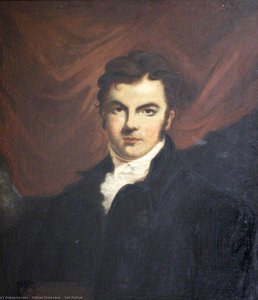
  • Top-ranked work: Self Portrait
  • Born: 1787, Inglaterra
  • Copyright status: Public domain
  • Also known as: Brockenden
  • Top 3 works:
    • Self Portrait
    • Ossian Relating the Fate of Oscar to Malvina (from 'The Poems of Ossian' by James Macpherson)
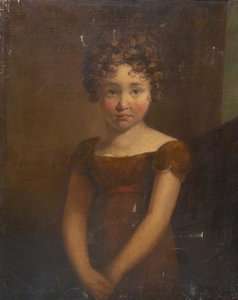
    • Miss Louisa Champernowne (b.1809)

Test de arte

Solo hay una respuesta correcta para cada pregunta.

Pregunta 1:
Q1: ¿Dónde nació William Brockedon?
Pregunta 2:
Q2: ¿Qué profesión tuvo Robert Hurrell Froude que alentó a Brockedon a seguir?
Pregunta 3:
Q3: ¿Qué institución le presentó un cuadro monumental representando “La entrega de las tablas de la ley a Moisés en el Monte Sinaí”?
Pregunta 4:
Q4: Brockedon fue miembro de qué academias?
Pregunta 5:
Q5: ¿Qué tema frecuentemente pintaba Brockedon en sus obras?

William Brockedon: A Devonshire Painter Bridging Romanticism and Victorian Detail

William Brockedon (13 October 1787 – 29 August 1854) was a multifaceted figure of the Victorian era—a painter, writer, inventor, and craftsman whose artistic output reflected both the grandeur of Romantic ideals and the meticulous observation characteristic of British art history. Born in Totnes, Devon, to a watchmaker, Brockedon’s formative years instilled within him a practical understanding alongside an innate curiosity for beauty and representation. This blend would prove crucial to his lifelong pursuit of artistic excellence.

Early Life and Education

His formal education began at Totnes Grammar School, where he honed foundational skills before inheriting his father's watchmaking business following a debilitating illness that claimed his parent’s life in 1802. Recognizing the importance of broadening his horizons beyond the workshop, Brockedon spent six months studying in London under the tutelage of Arthur Howe Holdsworth, governor of Dartmouth Castle—a patronage that would prove invaluable for fostering his artistic ambitions. Encouraged by Holdsworth and fellow artist Robert Hurrell Froude, he embarked on serious studies at the Royal Academy, immersing himself in the prevailing artistic currents of the time. This early exposure to influential artists like Holdsworth profoundly shaped Brockedon’s artistic sensibilities—a connection that would endure throughout his career.

The Royal Academy Years: Establishing a Reputation

From 1809 to 1837, Brockedon’s involvement with the Royal Academy cemented his position as a prominent artist within British society. He exhibited an impressive array of works—65 paintings spanning historical narratives, landscapes imbued with Alpine grandeur, and portraits capturing the likenesses of notable figures. His contributions included depictions of Governor Holdsworth, Samuel Prout (another Devonshire artist), ‘Miss S. Booth as Juliet,’ biblical scenes, and evocative portrayals of Dartmoor’s dramatic scenery. Notably, he gifted a monumental canvas depicting “The Delivery of the Tables of the Law to Moses on Mount Sinai” to Christ's Hospital—a testament to his generosity and commitment to artistic patronage. Furthermore, Brockedon's journey to Rome in 1821 yielded "The Vision of the Chariots to the Prophet Zechariah," which was subsequently showcased at the Pantheon under papal sanction. His meticulous attention to detail and masterful use of tonal gradation—characteristics honed during his Royal Academy years—became hallmarks of his artistic style.

Notable Works and Artistic Style

Brockedon’s oeuvre demonstrates a remarkable stylistic evolution. Initially influenced by Romantic idealism—evident in his landscapes capturing the sublime beauty of Alpine vistas—he steadily developed a technique characterized by meticulous detail and tonal subtlety. His paintings often employed atmospheric perspective to convey depth and emotion, blending Impressionistic influences with traditional academic conventions. Recurring themes explored include biblical narratives, portraits of prominent individuals, and depictions of Dartmoor’s rugged terrain. Pieces like “Ossian Relating the Fate of Oscar to Malvina” exemplify his ability to translate literary inspiration into visual splendor. He skillfully blended Romantic grandeur with Victorian precision—a duality that distinguishes his artistic vision from many contemporaries.

Legacy and Recognition

Brockedon's dedication to art earned him membership in the Academies of Rome and Florence—a distinction reflecting the esteem accorded to him by European artistic circles. He remained a steadfast supporter of artistic endeavors throughout his life, fostering talent within Dartmoor and contributing significantly to the cultural landscape of Victorian England. His enduring legacy resides not only in his impressive body of work but also in his role as an educator and mentor who championed artistic excellence—a testament to the transformative power of creativity and intellectual curiosity. He is remembered as a pioneer in the field of topographical painting, whose meticulous renderings of Dartmoor landscapes continue to inspire admiration for their accuracy and beauty.