La sombra del Barroco: Vida y legado de Tommaso Salini
En el vibrante y a menudo turbulento paisaje artístico de la Roma de finales del siglo XVI, pocas figuras evocan tanto misterio e intriga académica como Tommaso Salini. Conocido por sus contemporáneos bajo el apodo de Mao Salini, emergió durante un período de profunda transición estilística, donde la elegancia estructurada del Manierismo comenzaba a ceder ante la energía dramática y visceral del Barroco. Si bien la historia lo ha relegado con frecuencia a la periferia —siendo a menudo eclipsado por la presencia monumental de Caravaggio o por los relatos biográficos de su contemporáneo Giovanni Baglione—, Salini fue mucho más que una mera nota al pie. Fue un pintor atrapado en las corrientes cruzadas de una revolución, un testigo de las batallas legales y artísticas que definieron una era, y un artista cuya obra buscaba un delicado equilibrio entre la observación meticulosa y la luz dramática.
Nacido en Roma alrededor de 1575, los primeros años de Salini estuvieron profundamente arraigados en la escena artística romana. Su presencia en la prestigiosa Accademia di San Luca hacia 1605 denota su posición entre los practicantes más selectos de la ciudad. Sin embargo, gran parte de lo que sabemos de su carácter no proviene de sus pincelpos, sino de los tribunales. Salini es célebre por haberse erigido como un valiente defensor de su amigo, Giovanni Baglione, durante el infame juicio por libelo presentado contra Caravaggio y varios otros artistas. Este momento de integridad intelectual y personal resalta a un hombre que navegó el entorno competitivo y frecuentemente litigioso de los círculos artísticos romanos con un compromiso inquebrantable hacia sus colegas, incluso en medio de las tempestuosas rivalidades que caracterizaron la época.
Una síntesis de luz y quietud
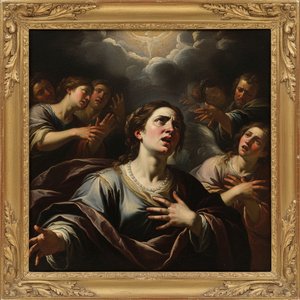
La evolución estilística de la obra de Salini presenta un estudio fascinador sobre la síntesis artística. Contemplar un lienzo de Salini es presenciar un diálogo entre dos mundos: la gracia persistente de la tradición manierista tardía, presente en las obras de Santi di Tito, y el naturalismo revolucionario introducido por Caravaggio. Aunque innegablemente cayó bajo el hechizo del dramático chiaroscuro caravaggista, Salini no se limitó a imitar la inmediatez cruda y a menudo violenta del maestro. En su lugar, atenuó esa oscuridad con una paleta más contenida y un sentido de elegancia compositiva que favorecía la dignidad serena por encima del impacto visceral.
Su maestría se manifestaba de forma particular en su enfoque de diversos géneros:
- Naturaleza muerta: Salini fue un especialista en el floreciente género de la naturaleza muerta, dotando a menudo a los objetos inanimados de un espíritu contemplativo. Sus obras, como aquellas que presentan frutas exuberantes, vegetales y caza, se caracterizan por una atención meticulosa a la textura y la forma que invita a una observación profunda.
- Composiciones religiosas: En sus obras sagradas, tales como El éxtasis de San Francisco, se percibe un profundo sentido de devoción expresado mediante una ejecución matizada y una luz suave y atmosférica que evita la dureza del puro caravaggismo.
- Escenas de género: Su capacidad para capturar el elemento humano se observa en retratos y escenas de género donde los sujetos poseen una cierta quietud conmovedora, tendiendo un puente entre lo cotidiano y lo monumental.
Redescubriendo a un maestro olvidado
Durante siglos, la verdadera identidad de la mano de Salini permaneció oculta tras la aparición de atribuciones denominadas "Pseudo-Salini", obras que portaban su nombre pero carecían de su toque específico. Esta niebla académica llevó a muchos a descartar gran parte de su producción como anónima o erróneamente atribuida. Sin embargo, el estudio experto y la investigación rigurosa están comenzando a descorrer estas capas de duda. Al examinar las obras originales documentadas por Baglione e identificar los rasgos distintivos de la técnica de Salini —su forma única de manejar la luz y su preferencia por un naturalismo más moderado—, los historiadores del arte están reclamando su lugar en el canon barroco.
La importancia histórica de Tommaso Salini no reside únicamente en la belleza de sus lienzos supervivientes, sino en lo que representa: el tejido conectivo esencial del Barroco romano. Fue un artista que se situó en la encrucijada entre la tradición y la innovación, ayudando a moldear un estilo que no era puramente manierista ni puramente caravaggista, sino algo profundamente propio. A medida que continuamos redescubriendo sus contribuciones, Salini emerge de las sombras, dejando de ser solo un testigo de la historia para convertirse en una voz vital en la gran narrativa del arte italiano.