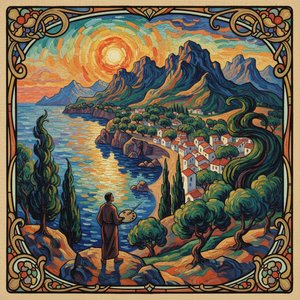
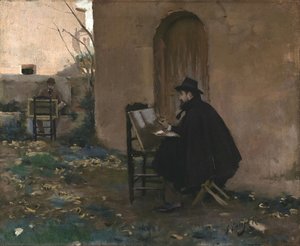
El Visionario del Modernisme Catalán
Santiago Rusiñol i Prats fue mucho más que un simple pintor; fue una fuerza de la naturaleza polímata cuyo espíritu creativo insufló vida al movimiento del Modernisme catalán. Nacido en Barcelona en 1861, en el seno de una próspera familia de industriales textiles, Rusiñol poseía una rara dualidad entre los medios y la pasión. Mientras que su linaje estaba arraigado en las laboriosas fábricas de Manlleu, su alma pertenecía a la belleza efímera del lienzo, la poesía y el escenario. Su formación temprana bajo la tutela de Tomás Moragas le proporcionó una base en el realismo; sin embargo, los rígidos límites del arte tradicional español no pudieron contener su creciente curiosidad. Esta inquietud lo llevó finalmente al corazón bohemio de París en 1889, una estancia transformadora que alteraría para siempre la trayectoria de su pincel.
En los vibrantes cafés de Montmartre, envueltos en humo, Rusiñol se vio inmerso en un torbellino de nuevas ideas. Junto a contemporáneos como Ramón Casas e Ignacio Zuloaga, absorbió las técnicas bañadas por la luz del Impresionismo y las profundidades oníricas y evocadoras del Simbolismo. Este periodo no fue meramente una educación en estilo, sino un despertar espiritual. Comenzó a alejarse de la representación estricta hacia un enfoque más atmosférico, donde el color y la forma servían para evocar estados de ánimo en lugar de solo documentar la realidad. Fue durante estos años formativos cuando desarrolló la capacidad de capturar la esencia silenciosa y a menudo melancólica de los paisajes y la profundidad psicológica de sus sujetos, una habilidad que más tarde lo convertiría en una figura fundamental de la vanguardia europea.
Un Tapiz de Luz, Jardines y Alma
La amplitud de la obra de Rusiñol es nada menos que extraordinaria, abarcando mil piezas que atraviesan las fronteras de distintos géneros. Fue un maestro de la escena del jardín, utilizando los ideales estéticos del Art Nouveau para crear entornos tranquilos y exuberantes que parecían respirar con vida propia. En obras como Jardines de Aranjuez, se puede ser testigo de su capacidad para tejer colores vibrantes en un tapiz de paz, invitando al espectador a un santuario de quietud. Sus paisajes suelen portar un fervor romántico, donde el mundo natural está imbuido de un sentido de misterio y emoción profunda, reflejando la luz cambiante de la costa mediterránea.
Más allá del paisaje, los retratos de Rusiñol se erigen como testimonios perdurables de su agudeza psicológica. Poseía un talento único para capturar los estados contemplativos de sus modelos, dotándolos a menudo de una sensación de introspección silenciosa. Ya sea en la conmovedora La chica del clavel o en el más sombrío Tirano (Retrato de Salvador Robert), sus retratos son estudios de la emoción humana y el matiz social. Su versatilidad se extendió a los reinos de la literatura y el teatro, ya que era tan hábil forjando palabras como aplicando pigmentos, lo que lo convirtió en un verdadero arquitecto del renacimiento cultural que ocurría en Cataluña durante su vida.
Legado e Importancia Histórica
La importancia histórica de Santiago Rusiñol se extiende mucho más allá de las fronteras de España. Actuó como un puente vital entre las raíces tradicionalistas del arte español y las innovaciones radicales del siglo XX. Su presencia en la escena artística parisina y su papel como mentor y colaborador significaron que desempeñó un papel indirecto pero profundo en el desarrollo de los maestros modernos, influyendo notablemente en la trayectoria artística temprana de Pablo Picasso. Al fomentar un espíritu de experimentación y polinización cruzada entre culturas, Rusiñol ayudó a preparar el terreno para los cambios sísmicos del cubismo y movimientos posteriores.
Su compromiso con la identidad cultural de Cataluña está quizás mejor inmortalizado en su dedicación al Museu Cau Ferrat en Sitges. Este museo, que sirve como testimonio de su pasión por coleccionar y preservar el arte, sigue siendo un santuario para el espíritu mismo del Modernisme que él ayudó a definir. Al contemplar su vida —desde las raíces industriales de su juventud hasta las cumbres bohemias de su madurez— vemos a un artista que se negó a ser confinado por un solo medio o movimiento. Rusiñol permanece como una figura luminosa en la historia del arte, un pintor de luces y sombras cuya obra continúa encantando, conmoviendo e inspirando.
Preguntas y respuestas
¿De dónde es Santiago Rusiñol?
Santiago Rusiñol nació en España.
¿Qué tan populares son las obras de Santiago Rusiñol?
Las estadísticas sobre las obras de Santiago Rusiñol están disponibles en la página de Estadísticas del artista.
¿Puedo explorar las obras de Santiago Rusiñol por tema?
El Índice temático de Santiago Rusiñol es una página que organiza las obras del artista según sus temas.