Índice de contenidos


Datos clave
- Museums on this site:
- Museo Central
- Museo Nacional de Bellas Artes
- Museo de Arte de Lima
- Born: 1807, Lima, Perú
- Lifespan: 72 years
- Nationality: Perú
- Top-ranked work: Mulata con flores para procesión
- Died: 1879
- Also known as:
- Francisco Fierro
- Francisco Fierro Palas
Cuestionario
Cada pregunta tiene una única respuesta correcta.
Pregunta 1:
¿Cuál fue la nacionalidad de Francisco Fierro Palas?
Pregunta 2:
¿Dónde nació Francisco Fierro Palas?
Pregunta 3:
¿Qué estilo artístico es conocido por Fierro Palas?
Pregunta 4:
¿Qué museo alberga una colección significativa de las obras de Fierro Palas?
Pregunta 5:
¿Qué representa principalmente Francisco Fierro Palas en sus pinturas?
Artículos relacionados

Dolor y Pasión: Las 25 Obras Maestras más Icónicas de Frida Kahlo
Explora las 25 obras maestras de Frida Kahlo y su legado surrealista. Descubre reproducciones de museo en OriginalUniqueArt.com.


Las 25 obras maestras de Francisco de Zurbarán: El rey del Barroco español
Explora las 25 obras maestras de Francisco de Zurbarán y su tenebrismo. ¡Descubre toda la colección en OriginalUniqueArt.com!
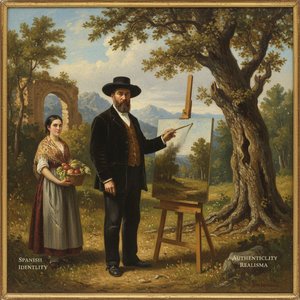
Narcisso Díaz de la Peña: Realism, Spanish Identity & Artistic Authenticity
Explore the life & work of Narcisso Díaz de la Peña, a key figure of the Barbizon school. Discover his captivating realism, Spanish influences, and enduring legacy in 19th-century art. Expert insights at OriginalUniqueArt.


Preguntas y respuestas
¿La obra de Pancho Fierro es de dominio público?
Sí. Pancho Fierro falleció en 1879 y sus obras pertenecen al dominio público.
¿Qué colores utilizaba con más frecuencia Pancho Fierro?
Consulte los colores que Pancho Fierro utiliza con más frecuencia, analizados a través de sus obras.
¿En qué museos se encuentran las pinturas de Pancho Fierro?
Las obras de Pancho Fierro se encuentran en Museo Nacional de Bellas Artes, Museo Central y Museo de Arte de Lima.
¿Con qué otros nombres o alias se conoce a Pancho Fierro?
Pancho Fierro también es conocido por los nombres Francisco Fierro, Francisco Fierro Palas.
¿Dónde y cuándo nació Pancho Fierro?
Pancho Fierro nació en Lima en 1807.
¿Cuáles son las pinturas más conocidas de Pancho Fierro?
Vea las pinturas más famosas de Pancho Fierro, clasificadas.
¿A qué periodo histórico pertenecía Pancho Fierro?
Pancho Fierro trabajó durante el periodo Siglo XIX. Este periodo sitúa la actividad del artista en su contexto histórico.
¿Cuánto duró la carrera de Pancho Fierro?
Las obras fechadas de Pancho Fierro que figuran aquí abarcan desde 1840 hasta 1850, con un total de 15 obras. Consulte la trayectoria de Pancho Fierro por periodos.
¿Cuándo falleció Pancho Fierro?
Pancho Fierro falleció en 1879, aproximadamente a los 72 años.