José María Velasco: Bridging Orientalism and Mexican Landscape
José María Tranquilino Francisco de Jesús Velasco Gómez Obregón (1840 – 1912), commonly known as José María Velasco, represents a cornerstone of late nineteenth-century Mexican art. His artistic trajectory exemplifies the remarkable fusion between European artistic currents—primarily Orientalism—and the burgeoning landscape painting movement deeply rooted in Mexican identity. Born in Mexico City, Velasco’s life was characterized by an unwavering commitment to portraying both exotic vistas and introspective portraits, mirroring the intellectual dialogues shaping his era.
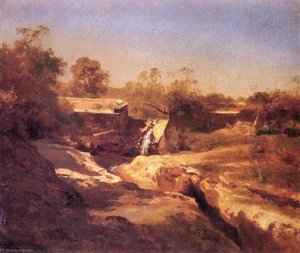
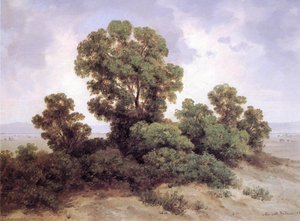
His formative years were marked by exposure to academic realism, a discipline that honed his technical skills—skills he would subsequently adapt to forge his distinctive artistic style. However, it was his profound fascination with Eastern cultures, particularly Persia, that truly ignited his creative spirit. This influence is vividly apparent in works such as “Estudio de árboles,” where meticulous detail and atmospheric perspective convey the majesty of mountainous landscapes mirroring Persian miniatures. Velasco skillfully employed muted palettes and compositional techniques borrowed from Orientalist traditions—techniques championed by artists like Frederic Leighton—to evoke a sense of timeless beauty and spiritual contemplation, reflecting the broader artistic trends prevalent in Europe at the time.
Beyond stylistic experimentation, Velasco’s artistic vision was indelibly shaped by the tumultuous socio-political context of Mexico during its arduous journey toward independence. Witnessing firsthand the courageous struggles for liberation spearheaded by figures like Juan Vicente Güemes—a symbol of Mexican resilience—he internalized the spirit of defiance and patriotic fervor. This conviction permeated his oeuvre, subtly conveying themes of perseverance and cultural heritage—themes that resonated powerfully with the nationalist sentiments circulating throughout Mexico during this period. Notably, Velasco held Alexander von Humboldt in high esteem; Humboldt’s groundbreaking scientific explorations advocating for the harmonious relationship between nature and human understanding undoubtedly instilled within Velasco's artistic sensibilities a similar ethos of observation and intellectual curiosity.
His most enduring legacy resides in his portraiture—specifically “La Güera Rodríguez,” a captivating depiction of María Ignacia Javiera Rafaela Agustina Feliciana Rodríguez de Velasco y Osorio Barba Jiménez Bello de Pereyra Hernández de Córdoba Salas Solano Garfias, sculpted by Manuel Tolosa. This monumental artwork exemplifies Velasco’s unparalleled ability to capture psychological depth and convey nuanced emotion through subtle tonal variations and expressive brushstrokes—a testament to his mastery of portraiture technique. The sculpture's placement within La Profesá church underscores the artist’s commitment to honoring Mexican cultural heritage and elevating artistic excellence.
Velasasco’s contribution extends beyond individual artworks; he fostered a distinctive visual language that blended European influences with indigenous traditions, establishing himself as one of Mexico’s foremost landscape painters and portraitists. His enduring influence continues to inspire artists today, solidifying his place within the annals of Mexican art history—a legacy characterized by beauty, intellectual rigor, and unwavering devotion to capturing the essence of both human experience and the grandeur of the natural world.