José María Casado del Alisal (1830–1886)
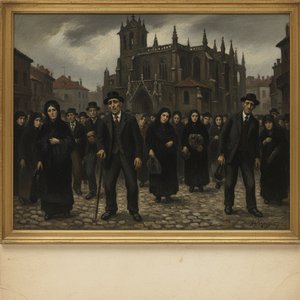
José María Casado del Alisal, a prominent spanish painter of the XIX cent., a remarkable figure of Spanish Academic Art. He lived during a period marked by intense artistic experimentation and intellectual debate, leaving behind an impressive legacy that continues to inspire admiration. His art reflects 19th-century academic style with notable pieces like 'The Bell of Huesca' and portraits of key figures—a testament to his dedication to tradition while embracing innovation.
Early Life and Education
José María Casado del Alisal was born in Villadare, Spain, between 1830 and 1832. He initiated his artistic journey at the escuela municipal de dibujo de palencia, which played a pivotal role in shaping many notable spanish artists. Real academia de bellas artes de san fernando, under the tutelage of federico de madrazo, further honed his skills—a formative experience that instilled in him the principles of meticulous observation and masterful technique. This early training established a foundation for his subsequent artistic endeavors.
Artistic Career and Achievements
* **Rome, Naples, Milan, and Venice**: His painting “The Resurrection of Lazarus” (1855) earned him a fellowship to study in rome, followed by extended stays in naples, milan, and venice. These journeys exposed him to the artistic currents of Europe, fostering his understanding of diverse styles and broadening his creative horizons. He absorbed influences from masters like Michelangelo Buonarroti and Raffaello Sanzio da Urbino, integrating their techniques into his own oeuvre.
* **Paris Exposition (1862)**: He participated with his work “The Oath of the Cortes of Cádiz”, now displayed at the congress of deputies. This engagement in public art underscored his commitment to representing historical events and conveying moral values—a characteristic that would permeate much of his artistic output. The exhibition served as a platform for showcasing his talent and engaging in dialogue with fellow artists and critics.
* **National Exhibitions (1860 and 1864)**: Awarded medals for his outstanding contributions, Casado del Alisal’s work gained recognition within the spanish art community—a validation of his artistic vision and a symbol of his success as an artist. His paintings captured the spirit of the era, reflecting both social concerns and aesthetic ideals.
Leadership and Later Life
* **Director of the Spanish Academy in Rome (1881)**: He became the first director but resigned after “The Bell of Huesca” received only an honorable mention at the exhibition. This decision highlighted his unwavering belief in artistic integrity—a stance that contrasted with prevailing trends within academic circles. Despite facing challenges and setbacks, Casado del Alisal remained steadfast in his pursuit of excellence.
* **Member of the San Fernando Academy (1885)**: A testament to his enduring legacy, he was honored as a member of the san fernando academy—a recognition of his contributions to spanish art history and culture. His artistic reputation solidified during his lifetime, securing his place among the most respected painters of his generation.
Notable Works and Legacy
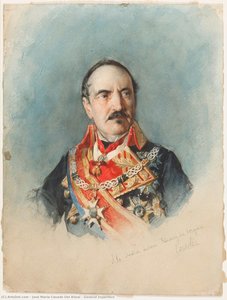
* Portraits of Baldomero Espartero, Isabel II, Alfonso XII, and Emilio Castelar y Ripoll: Casado del Alisal excelled in portraiture, capturing the likenesses of prominent figures—a genre that demanded precision and sensitivity—demonstrating his mastery of anatomical rendering and psychological insight.
* Gustavo Adolfo Bécquer’s Deathbed Engraving: He meticulously recreated Gustavo Adolfo Bécquer's deathbed engraving, skillfully utilizing chiaroscuro to convey the profound emotion of the moment—a technique that exemplifies the expressive power of academic painting.
* His brother, Carlos Casado del Alisal, was a spanish-argentine businessman and economic advisor.