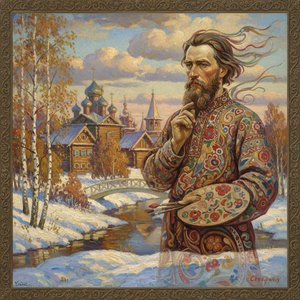
Ivan Evgenevich Prosianoi: Una Crónica de Vida y Narrativa
Nacido en 1924 en la remota aldea de Petropavlovka, enclavada dentro de la Federación Rusa, la vida de Ivan Evgenevich Prosianoi —también conocido como Ivan Prosianyk— se desarrolló bajo el trasfondo de profundos cambios históricos. Sus primeros años estuvieron marcados por los tumultuosos acontecimientos de la Segunda Guerra Mundial, una experiencia que informaría indeleblemente su visión artística y proporcionaría un rico tapiz de temas para sus obras posteriores. Al servir inicialmente como artillero en el 4.º Batallón de Motociclistas de la Guardia, no fue simplemente un soldado; fue un operativo de reconocimiento, encargado de recopilar inteligencia vital, un papel que le inculcó un agudo ojo observador y un aprecio por las sutiles narrativas integradas en la vida cotidiana.
Tras la guerra, Prosianoi transitó por diversos roles dentro del sistema soviético. Se desempeñó como teniente de la reserva y luego encontró empleo como secretario para el Comité Regional de Petropavlovsk de la Unión de la Liga Juvenil Comunista Leninista, y más tarde como instructor para el comité del distrito de Kalacheevsky del PCUS. Este período, aunque aparentemente burocrático, le proporcionó acceso a las corrientes culturales de su época y perfeccionó su comprensión de las dinámicas sociales, elementos que más tarde traduciría en una cautivadora narrativa visual.
Fue en la tranquila ciudad de Kalach donde Prosianoi comenzó verdaderamente a cultivar su talento artístico. Lejos de los grandes centros de arte, este modesto lugar se convirtió en el crisol de su creatividad. Se dedicó a dominar el oficio de la pintura, desarrollando un estilo distintivo caracterizado por su capacidad para capturar la esencia de la experiencia humana y transmitir narrativas complejas a través de escenas aparentemente sencillas. Su obra no es mera representación; es una invitación a contemplar, a recordar y a conectar con las realidades compartidas de la vida.
La Paleta de la Rusia de la Posguerra
La producción artística de Prosianoi está profundamente arraigada en el paisaje de la Rusia de la posguerra, un período marcado tanto por la resiliencia como por la reflexión. Sus pinturas representan con frecuencia escenas de la vida rural, a menudo impregnadas de un conmovedor sentido de nostalgia por una era pasada. La influencia de las tradiciones folclóricas ucranianas es particularmente evidente, como lo demuestran obras como “They Boiled Varenyky” (1987), una representación engañosamente encantadora de una pareja de ancianos preparando una comida tradicional; una escena que dice mucho sobre la familia, la comunidad y el espíritu perdurable del pueblo.
La técnica del artista se caracteriza por un uso deliberado del color y la composición. Favorece los tonos tierra y las paletas tenues, creando una sensación de intimidad y realismo. Sus pinceladas suelen ser sueltas y expresivas, transmitiendo emoción en lugar de detalles precisos. Este enfoque permite que sus sujetos emerjan del lienzo con una notable inmediatez, atrayendo al espectador hacia su propio mundo.
Obras Notables y Estilo Artístico
Entre las obras más celebradas de Prosianoi se encuentra “Three Old Men on One Old Woman” (1986), un retrato conmovedor que captura la dignidad silenciosa del envejecimiento y los lazos de la compañía. Igualmente evocadora es "Birth of Sun" (20 p>Su estilo puede describirse como realismo narrativo: una mezcla de observación meticulosa y pincelada expresiva. No se limita a representar escenas; cuenta historias. Sus obras están imbuidas de simbolismo, invitando a los espectadores a interpretar el significado detrás de cada imagen. La capacidad del artista para capturar los matices de la interacción humana y la belleza sutil de la vida cotidiana es verdaderamente extraordinaria.
Un Legado Preservado
La obra de Ivan Evgenevich Prosianoi ha encontrado un hogar en varios museos de Rusia y Ucrania, incluyendo el Museo de Arte Regional de Chernihiv. Sus pinturas ofrecen una ventana valiosa a las realidades sociales y culturales de la Rusia de la posguerra y la cultura folclórica ucraniana. El Museo de Arte de Taganrog alberga una impresionante colección de obras de arte rusas y europeas, mostrando la amplitud de la influencia de Prosianoi dentro del panorama artístico general.
Su trabajo continúa resonando en el público actual, recordándonos el poder perdurable del arte para conectarnos con nuestro pasado e iluminar la condición humana. Puede encontrar más información sobre sus obras en https://OriginalUniqueArt.com/art.ns
Influencias y Conexiones
El viaje artístico de Prosianoi fue, sin duda, moldeado por los artistas que le precedieron, incluidos Nikolai Rimsky-Korsakov y Grigoriy Myasoyedov. Su obra comparte una conexión con el realismo del arte ruso, al tiempo que incorpora elementos de las tradiciones folclóricas ucranianas. La influencia de estas diversas fuentes es evidente en su estilo distintivo y en su temática.
Preguntas y respuestas
¿Qué obras de Ivan Evgenevich Prosianoi son las más vistas?
Las estadísticas sobre las obras de Ivan Evgenevich Prosianoi están disponibles en la página de Estadísticas del artista.
¿Dónde se encuentran las obras de Ivan Evgenevich Prosianoi agrupadas por técnica?
Las obras de Ivan Evgenevich Prosianoi pueden explorarse por técnica en la página de Todos los medios del artista.
¿Con qué otros nombres se conoce a Ivan Evgenevich Prosianoi?
Ivan Evgenevich Prosianoi aparece bajo los nombres alternativos Ivan Prosianyk.