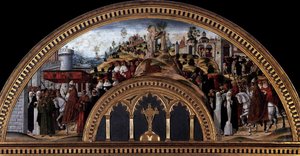
Girolamo di Benvenuto: Un innovador del Renacimiento florentino
Girolamo di Giovanni (c. 1470 – junio de 1524), hijo del célebre pintor Benvenuto di Giovanni, se erige como una figura fundamental en el panorama artístico de Siena y Florencia durante el Alto Renaciente. Nacido en el seno de una familia profundamente arraigada en la tradición artística —el taller de su padre era renombrado por sus miniaturas corales y frescos—, Girolamo heredó no solo la destreza técnica, sino también una dedicación inquebrantable a la exploración de nuevas posibilidades expresivas dentro de las convenciones estilísticas establecidas. A diferencia de muchos de sus contemporáneos, evitó la imitación servil, forjando en su lugar un camino distintivo marcado por figuras alargadas imbuidas de una emoción palpable y una manipulación magistral de la luz y el color que presagiaba el floreciente movimiento manierista.
- Primeros años y formación: Los años formativos de Girolamo transcurrieron bajo la tutela de su padre en Siena, absorbiendo los matices estilísticos de la escuela sienesa —caracterizada por el detalle meticuloso y una reverencia por los ideales clásicos—, pero demostrando simultáneamente una inclinación hacia la experimentación. Su contacto con artistas como Giacomo Pacchiaratorio y Pinturicchio amplió, sin duda, sus horizontes artísticos.
- La Asunción de la Virgen (1498): La obra debut de Girolamo, el monumental fresco que adorna la Catedral de Montalcino, representa una ruptura decisiva con la estética tradicional sienesa. Las figuras alargadas —un sello distintivo del estilo de Girolamo— emanan dinamismo y expresividad, señalando su voluntad de desafiar las normas establecidas. Esta pintura es considerada una de las manifestaciones más tempranas del enfoque innovador del maestro.
Madonna della Neve: Una síntesis de la influencia veneciana
Quizás la obra maestra más perdurable de Girolamo sea la
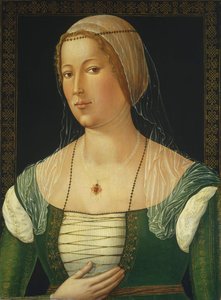
Madonna della Neve, completada en 1508 y custodiada en la Pinacoteca Nazionale de Siena. Esta pintura ejemplifica la magistral síntesis de Girolamo entre los principios artísticos venecianos —particularmente el uso de paletas de colores luminosos y la perspectiva atmosférica— con los refinamientos compositivos florentinos. La figura de María posee una gracia etérea, reflejando la belleza serena que se encuentra en retratos pintados por Girolamo durante el mismo periodo, notablemente una representación de Santa Catalina que se encuentra en la National Gallery of Art de Washington. Este retrato demuestra la capacidad de Girolamo para capturar la profundidad psicológica y transmitir una emoción profunda a través de gestos sutiles y expresiones faciales.
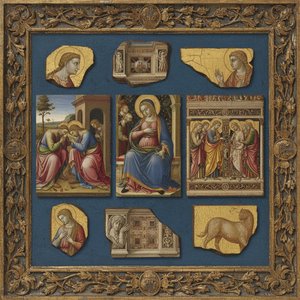
- Decoración de cassoni: Más allá de los frescos monumentales, Girolamo destacó en la decoración de cassoni —cofres de madera elaborados—, una forma de arte muy popular durante el Renacimiento. Sus paneles para estos cofres muestran un notable dominio de la técnica y la imaginación, mezclando figuras estilizadas con colores vibrantes para crear narrativas cautivadoras destinadas a los interiores aristocráticos.
- Tondo del Juicio de Paris: El tondo del Juicio de Paris de Girolamo, que ahora reside en el Museo del Louvre, ejemplifica su versatilidad estilística. La composición —caracterizada por una estructura piramidal central y un uso magistral del claroscuro— demuestra el compromiso de Girolamo con las innovaciones manieristas, manteniendo al mismo tiempo una sensibilidad humanista subyacente.
Legado e influencia
El legado artístico de Girolamo di Benvenuto se extiende mucho más allá de sus creaciones individuales. Actuó como mentor de artistas más jóvenes, fomentando el desarrollo de estilos innovadores que resonarían a lo largo del Renacimiento florentino. Su influencia puede discernirse en las obras de Girolamo da Carpi y Stefano Falzagalloni, artistas que adoptaron los preceptos estilísticos de Girolamo y contribuyeron significativamente al florecimiento artístico de Siena y Florencia. Además, su exploración pionera de la distorsión expresiva —un sello distintivo del Manierismo— estableció un precedente para las generaciones posteriores de pintores que buscaban trascender las convenciones tradicionales.
- Obras notables: Entre la impresionante producción de Girolamo se encuentran La Asunción de la Virgen (Catedral de Montalcino), la Madonna della Neve, el Tondo del Juicio de Paris (Louvre) y varios paneles de cassoni; cada una de ellas un testimonio de su genio artístico y su compromiso inquebrantable con la innovación estilística.
La contribución de Girolamo di Benvenuto al arte renacentista es innegable. Se mantiene como un faro de creatividad y experimentación, demostrando que el verdadero arte no reside meramente en la competencia técnica, sino también en la búsqueda valiente de nuevos horizontes estéticos, una búsqueda que consolidó su lugar entre los pintores más influyentes de su época.