Giovanni Nepomuceno della Croce: A Master of Austrian Baroque Portraiture
Johann Nepomuk della Croce (1736 – 1819) stands as a prominent figure in the late Baroque artistic landscape of Austria and Italy, celebrated primarily for his prolific output of portraits—estimated at around 5000—and imbued with a distinctive stylistic approach that blended meticulous realism with expressive dynamism. Born in Pressano, Tyrol, he embarked on an artistic journey shaped by formative influences from Lorenzozzi, an Italian artist who instilled in him a foundational understanding of classical ideals and compositional principles. Subsequent travels across Italy, Germany, Hungary, and France broadened his horizons and honed his technical skills before he established himself in Burghausen, where he continued to produce exceptional artwork.
Early Life & Training
Della Croce’s artistic education began under Lorenzozzi's tutelage, fostering a deep appreciation for Italian Baroque aesthetics. This exposure proved invaluable as he honed his craft through independent study and experience abroad. Lorenzozzi’s teachings instilled in him the importance of mastering classical proportions and achieving harmonious balance—principles that would permeate Della Croce’s entire oeuvre. He diligently pursued artistic excellence, recognizing that true artistry demanded both technical proficiency and intellectual engagement.
Italian Influences & Artistic Style
His time in Italy profoundly impacted his style, incorporating elements of Caravaggio’s dramatic chiaroscuro technique—characterized by stark contrasts between light and dark—into his paintings. This stylistic choice wasn't merely decorative; it served as a powerful tool for conveying emotion and psychological depth alongside accurate representation. Della Croce meticulously studied Caravaggio’s compositions, analyzing how he utilized light to illuminate key figures and create an atmosphere of tension and drama. He skillfully manipulated tonal values to sculpt forms and imbue his portraits with palpable vitality—a hallmark of his distinctive artistic vision.
Notable Works & Commissions
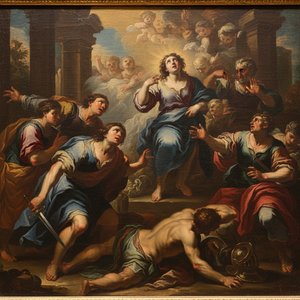
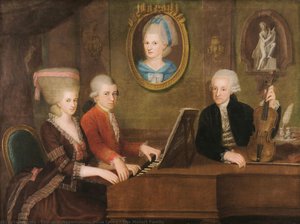
Della Croce gained considerable renown for his altar-pieces commissioned throughout Bavaria, showcasing his mastery of color palettes and meticulous attention to detail. These monumental canvases demonstrated Della Croce’s ability to synthesize technical skill with spiritual contemplation. Perhaps most famously, he immortalized the Mozart family in Salzburg—a portrait that captures both familial dignity and artistic sensitivity. The resulting image portrays Wolfgang Amadeus Mozart and his family with remarkable grace and nuance, reflecting Della Croce's profound understanding of human psychology and his unwavering commitment to portraying subjects with honesty and compassion. His meticulous rendering of textures and fabrics further enhanced the visual impact of these artworks, cementing his reputation as one of Bavaria’s foremost Baroque painters.
Felix Joseph von Lipowsky’s Estimation & Legacy
Felix Joseph von Lipowsky's estimation of Della Croce's output underscores the sheer volume of his oeuvre – a testament to his dedication and talent. He produced approximately 5000 portraits, establishing himself as arguably the most prolific portrait artist of his time. Clemente della Croce (1783–1823), his son, followed in his father’s footsteps as a painter, continuing Della Croce's artistic legacy and ensuring that his distinctive style would endure for generations to come. Giovanni Nepomuceno della Croce remains an enduring symbol of Austrian Baroque artistry—a master whose unwavering pursuit of excellence continues to inspire admiration for its technical brilliance and profound emotional resonance.