El maestro milanés de la luz y la línea
En la atmósfera vibrante y espiritualmente cargada de la Milán de finales del siglo XVI, un periodo definido por la profunda piedad de la Contrarreforma, Giovanni Ambrogio Figino emergió como una voz vital de la Escuela Lombarda. Nacido en Milán alrededor de 1553, Figino fue producto de una era donde el arte servía tanto como una ventana hacia lo divino como un espejo del floreciente humanismo del Renacimiento. Su viaje artístico comenzó bajo la rigurosa tutela de Gian Paolo Lomazzo, un maestro cuya influencia inculcó en Figino una profunda reverencia por la precisión anatómica y los principios clásicos de la composición. Esta formación fundacional le permitió navegar las complejidades de lo espiritual y lo secular, convirtiéndolo en una fuerza versátil dentro de la escena artística milanesa.
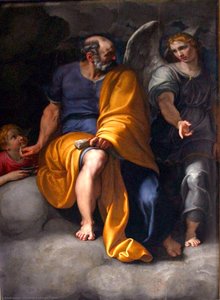
Mientras muchos de sus contemporáneos se centraban únicamente en la gran escala de los retablos, Figino poseía una dualidad única en su talento. Era celebrado tanto por su delicado y magistral dibujo como por su capacidad para insuflar vida a los retratos al óleo. Sus dibujos, que superan las cuatrocientas piezas conocidas, revelan a un artista obsesionado con el matiz de la forma y el sutil juego de las sombras. Esta precisión encontró su expresión más profunda en sus encargos monumentales, como las impresionantes cubiertas del órgano de la Catedral de Milán. Trabajando junto a colegas consumados como Camillo Procaccini y Giuseppe Meda, Figino ayudó a tejer un tapiz visual de grandeza bíblica, representando el épico paso del Mar Rojo y la ascensión celestial de Cristo con un sentido de movimiento y drama que cautivaba a los fieles.
Profundidad psicológica y el arte del retrato
Más allá de las grandes narrativas de la Iglesia, el verdadero genio de Figino residía a menudo en los espacios íntimos del retrato. Poseía una capacidad asombrosa para capturar no solo el parecido físico de sus sujetos, sino su esencia misma: la dignidad silenciosa, la tensión subyente o el peso intelectual de quienes se sentaban ante él. Su Retrato de Lucio Foppa se erige como un testimonio de esta perspicacia psicológica. En esta obra, el espectador se encuentra con un sujeto plasmado con un realismo tan notable que la textura de su vestimenta y la gravedad de su mirada se sienten casi tangibles. A través de una paleta atenuada de tonos tierra y un uso estratégico de la luz, Figino centró la atención del espectador en el carácter del hombre, elevando el retrato de un mero registro de apariencia a un profundo estudio de la identidad humana.
Esta maestría se extendió a sus composiciones religiosas, donde buscaba evocar devoción mediante la claridad y la gracia. Sus representaciones de San Ambrosio y la Virgen con el Niño, actualmente preservadas en la prestigiosa Galería Brera, demuestran un dominio del color y la composición que refleja la elegancia estilística de la tradición lombarda. En estas obras, lo divino se vuelve accesible, plasmado con una belleza táctil que invita a la contemplación. Incluso al explorar los límites más especializados de su época, como el floreciente género de la naturaleza muerta, Figino mostró un espíritu aventurero. Su Naturaleza muerta con melocotones y hojas de higuera muestra una curiosidad inusual, demostrando que podía encontrar lo milagroso en lo cotidiano, capturando las exuberantes texturas de la naturaleza con la misma reverencia que aplicaba a los santos.
Un legado perdurable en la tradición lombarda
La importancia histórica de Giovanni Ambrogio Figino reside en su capacidad para tender un puente entre las rigurosas tradiciones del pasado y las innovaciones expresivas del siglo venidero. Fue un artista capaz de navegar las restricciones del dogma religioso mientras exploraba simultáneamente el creciente realismo del retrato y la delicada belleza de la naturaleza. Su vida, que concluyó en 1608, marcó el fin de un capítulo brillante en el arte milanés; sin embargo, su influencia perduró a través de la meticulosidad de sus dibujos y el poder imperecedero de sus visiones pictóricas.
Hoy en día, las obras de Figino sirven como puntos de referencia esenciales para comprender el alma artística de Lombardía. Su legado se encuentra en:
- La maestría del dibujo: Proporcionando un modelo de precisión anatómica y excelencia preparatoria en el Renacimiento tardío.
- La evolución del retrato: Moviéndose más allá de la simple representación hacia un profundo realismo psicológico.
- Innovación de género: Introduciendo un nivel de sofisticación en la pintura de naturaleza muerta que era poco común entre sus contemporáneos italianos.
- Narrativa religiosa: Contribuyendo al lenguaje visual de la Contrarreforma a través del arte sacro monumental e íntimo.