


1


Actualizado noviembre 2026 · clasificado según nuestro índice de popularidad (búsquedas, visitas y pedidos de cada obra) · 67 obras de Floris Van Schooten en nuestro catálogo
En resumen
Kitchen Scene (1622) es la pintura de Floris Van Schooten que más llama la atención; la obra original pertenece al Statens Museum for Kunst, Copenhague. Después, la mirada se dirige a Christ and the woman of Samaria at the well (1620) y A woman and a boy in a kitchen (1620). De las 67 obras de Floris Van Schooten en nuestro catálogo, estas 67 son las más famosas; cada una es un original único presentado con su año, su museo y la razón de su trascendencia.
 A kitchen interior with fish and utensils on a table1650
12
 A kitchen still life with a maid cleaning fish at a table and a boy holding an apple1650
13
 Laid Table1617
14Breakfast1615 · Kröller-Müller Museum
15
 Still life with cheese, herring, bread and wine1620 · Galería Nacional
16
 Kitchen Scene1620 · Museo Estatal de Renania
17
 Kitchen Utensils, Meat and Vegetables1610
18
 Still life of laid table with cheese1635 · Colecciones de Pintura del Estado Bávaro
19
 Still Life with Cheese, Candlestick and Tobacco1630
20
 Still Life with smoked herring, oysters and smoker's gear1625 · Museo Frans Hals
21
 Still life with Jan Steen pitcher, salt cellar, and cheese on a laid table1629 · Het Prinsenhof
22
 Still life with grilled rib, cheese, apples and bread1630 · Het Prinsenhof
23
 Fruit Basket1634 · Statens Museum for Kunst
24
 Still life with pie on a laid table1633 · Museo del Palacio de Wilanów
25
 Still life of food on a table1635
26
 Still life with a Jan Steen pitcher on a laid table1625
27
 Still life of fruit, butter and cheese1630
28
 Still life of fruit with bread, butter and a silver cup1625 · Gebruder Douwes
29
 Fruit still life1645 · Kröller-Müller Museum
30
 Still life with fruit, bread and a silver chalice1642
31
 Still life of butter, cheese, bread, shrimp and biscuits1642
32
 Still life with cut of meat, butter, chestnuts, glassware and bread on a table1639
33
 Stillife with dead birds1637
34
 Copper kettles and other objects on a tabletop1650
35
 Still-life with Ham1650
36
 Still life with bread, cheese, prawns and crabs1656 · Museo Groninger
37
 Breakfast with roast meat, bread, olives and chestnuts1650
38
 Still life of a laid table with cheese1650
39
 Still life of a laid table with cheese1650
40
 Still life of fruit and ham on a laid table1650
41
 Still life of fruit in a stone niche1650
42
 Still life with cheese, chalice and spoon1650 · Museo Nacional en Poznań
43
 Still life with bread, meat and olives1650 · Herzog Anton Ulrich Museum
44
 Still life with fruits in Delft porcelain1650
45
 Still life with fruit1650 · Museo Voor Moderne Kunst
46
 Still life with ham and fish with unplucked poultry.1650 · Museo de la Colección Juan Pablo II
47
 Still-life with Bread, Cheese and a cut Pie1650 · Koetser Gallery
48
 Still life of apples and grapes1650
49
 Still life of pie, cheese, bread and olives on a laid table1650 · Gallery van Diemen
50
 Still life of a laid table with cheese, meat and bread1650 · Hamburger Kunsthalle
51
 Laid table with cheese, bread, fruit and a roemer1650
52
 Still life with a ham on a laid table1650
53
 Fruit still life with silver beaker1650 · Francisque Mandet Museum
54
 Kitchen Interior1655
55
 BreakfastReal Museo de Bellas Artes de Amberes
56
 Kitchen piece with woman cleaning a fish
57
 Kitchen Still Life
58
 Fruit Stall1630 · Zamek Krolewski w Warszawie (Royal Castle)
59
 Breakfast Still Life with CheeseMuseo Von der Heydt
60
 Still life of assorted fruit with two blue-and-white porcelain bowls
61
 Still life of fruit served in kraak porcelain
62
 Still life with berriesMuseos Reales de Bellas Artes de Bélgica
63
 Still life with copper pans, utensils and plums on a stone ledgeKoetser Gallery
64
 Still life with cut of beef, chalice and breadMuseo Kunstpalast
65
 Strawberries in a silver dish, cherries and white currents in a wanli bowl, with a bread roll and silver cup
66
 Still-life Of Fruit
67
 a Kitchen Still Life with pots and pans on a stone ledge and animated figures in the background
Los cuatro temas que se repiten con más frecuencia en estas obras originales, cada uno con su mejor ejemplo.
Los 8 museos que albergan la mayoría de las pinturas de esta página.
| Museos | Ciudad | Obras de Floris Van Schooten | Pinturas de esta lista |
|---|---|---|---|
 Statens Museum for Kunst |
Copenhague | 4 | Kitchen Scene, Women and Children by a Fruit Seller, Stall with Fruit and Vegetables |
 Museo Frans Hals |
Haarlem | 2 | Kitchen scene, Still Life with smoked herring, oysters and smoker's gear |
 Kröller-Müller Museum |
Otterlo | 2 | Breakfast, Fruit still life |
 Het Prinsenhof |
Delft | 2 | Still life with Jan Steen pitcher, salt cellar, and cheese on a laid table, Still life with grilled rib, cheese, apples and bread |
| Koetser Gallery | 2 | Still-life with Bread, Cheese and a cut Pie, Still life with copper pans, utensils and plums on a stone ledge | |
 Museo Nacional de Varsovia |
Varsovia | 1 | Kitchen interior with a female cook. |
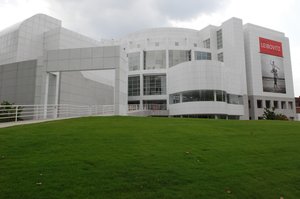 Museo de Arte High |
Atlanta | 1 | Kitchen still life with two children |
 Gemäldegalerie Alte Meister |
Dresde | 1 | Young woman peeling a pear at a table with various fruits, an old man with a money bag adressing her |
Elige una década para ver la obra original que la define.


Kitchen Scene (1622), Statens Museum for Kunst, Copenhague. A Christ and the woman of Samaria at the well (1620) y A woman and a boy in a kitchen (1620) le siguen.
42 años: Kitchen Scene data de 1622, y Floris Van Schooten nació en 1580.
Kitchen Scene, Christ and the woman of Samaria at the well, A woman and a boy in a kitchen, Larder Still Life with Cheese, Kitchen interior with a female cook., Women and Children by a Fruit Seller, Stall with Fruit and Vegetables, Kitchen scene, Kitchen still life with two children y Young woman peeling a pear at a table with various fruits, an old man with a money bag adressing her. La clasificación anterior indica el año y el museo de cada una.
Nuestro catálogo cuenta con 67 obras de Floris Van Schooten, datadas desde 1610 hasta 1656.
Principalmente en Statens Museum for Kunst (Copenhague), Museo Frans Hals (Haarlem) y Kröller-Müller Museum (Otterlo). La tabla de museos arriba los enumera todos.
En 1650s: 23 de las 67 obras de esta página se realizaron entonces, A kitchen interior with fish and utensils on a table de ellas.
En esta página, la más antigua es Kitchen Utensils, Meat and Vegetables (1610) y la más reciente Still life with bread, cheese, prawns and crabs (1656).
Fruits (2) y Life (2), en las 67 obras de esta página.
Kitchen Scene, Women and Children by a Fruit Seller y Stall with Fruit and Vegetables: el Statens Museum for Kunst, Copenhague posee 4 de las obras de esta página.
Floris Gerritsz van Schooten (c. 1585 – 14 de noviembre de 1656) se erige como una figura fundamental en el desarrollo de la pintura de naturaleza muerta durante la Edad de Oro holandesa. A menudo operando tras bambalinas, a la sombra de contemporáneos más ostentosos, moldeó el género de manera silenciosa pero profunda, reflejando su evolución y absorbiendo las innovaciones de la vibrante comunidad artística de Haarlem. Su legado no reside en técnicas revolucionarias, sino en su observación meticulosa, su ejecución magistral y una comprensión profunda de cómo capturar la esencia de los objetos cotidianos —desde humildes desayunos hasta elaboradas escenas de cocina— imbuídos de un sutil sentido de vanitas.
Nacido en el seno de una próspera familia católica que había emigrado de Ámsterdam a Haarlem en busca de una mayor tolerancia religiosa en 1612, la infancia de Floris estuvo impregnada de las tradiciones de su linaje. Su padre, Gerrit Jacobsz van Schooten, era miembro de esta influyente familia, y su matrimonio con Rycklant Bol van Zanen, hija de un prominente cervecero, le otorgó tanto prestigio social como una conexión directa con el corazón económico de Haarlem. Este trasfondo influyó sutilmente en su temática, pues frecuentemente retrató la abundancia de la mesa, reflejando la riqueza y la prosperidad de la época.
La trayectoria artística de Van Schooten comenzó entre los muros del Gremio de San Lucas en Haarlem, una institución crucial para la formación y regulación de los artistas. Ascendió rápidamente en sus rangos, llegando a ser Decano en 1639, lo que demostró su respeto y pericia dentro del mundo del arte local. Su carrera abarcó varias décadas, durante las cuales produjo una impresionante obra estimada en unas 12 de piezas, testimonio de su constancia y dedicación. Sorprendentemente, solo se conoce una pintura completamente firmada: un bodegón de desayuno que hoy se encuentra en el Museo Von der Heydt de Wuppertal, Alemania, ofreciendo un raro vistazo a las propias intenciones del artista.
El desarrollo artístico de Van Schooten estuvo inextricablemente ligado a la floreciente escena de naturalezas muertas de Haarlem. Absorbió las técnicas y sensibilidades de sus contemporáneos, particularmente las obras maestras de Floris van Dyck, Pieter Claesz y Roelof Koets, todos ellos figuras prominentes dentro del gremio. Estos artistas sirvieron como influencias significativas, moldeando su enfoque de la composición, las paletas de colores y la representación de las texturas. Notablemente, reflejó las innovaciones que ocurrían en la comunidad de bodegones de Haarlem, demostrando una aguda conciencia de las tendencias contemporáneas.
Su obra también revela un aprecio por maestros anteriores como Pieter Aertsen y Joachim Beuckelaer, cuyas escenas de mercado a gran escala habían establecido convenciones que Van Schooten adaptó con destreza. Simplificó los complejos arreglos de sus predecesores, creando un mayor sentido de orden y estabilidad dentro de sus composiciones. Esta cuidadosa asimilación de influencias es el sello distintivo de su estilo: no fue un innovador en sí mismo, sino más bien un diligente cronista e intérprete de los avances artísticos.
La obra de Van Schrotan se caracteriza por su diversa gama de temas de naturaleza muerta. Destacó en la representación de piezas de desayuno, mostrando la suntuosidad de las comidas matutinas con jamón, queso, pan y frutas cuidadosamente dispuestos. Igualmente hábil fue capturando escenas de cocina: elaborados despliegues de provisiones culinarias que reflejaban los ritmos domésticos de los hogares holandeses del siglo XVII. Las escenas de mercado también tuvieron un papel destacado, ofreciendo vistazos al bullicioso comercio de las calles de Haarlem.
Motivos recurrentes puntuaban su trabajo, siendo el más notable la combinación de jamón y queso. Estas combinaciones, aparentemente simples, se convirtieron en un elemento distintivo cargado de peso simbólico, representando la abundancia, la prosperidad y, quizás, incluso la mortalidad (un tema común en las pinturas de vanitas). Su meticulosa atención al detalle —el brillo de la plata pulida, la textura de la fruta madura, los pliegues del lino— elevó estos objetos cotidianos a la categoría de obras de arte cautivadoras.
A pesar de su perfil relativamente modesto, Floris van Schooten desempeñó un papel crucial en la documentación de la evolución de la pintura de naturaleza muerta durante la Edad de Oro holandesa. Sus obras proporcionan conocimientos invaluables sobre las prácticas artísticas y las sensibilidades estéticas del sistema gremial de Haarlem. Abraham Bredius, un destacado historiador del arte holandés, reconoció la importancia del monograma “F.v.S” o “FVS” para identificar al artista, consolidando su lugar en el registro histórico.
Su producción sirve como testimonio del dinámico paisaje artístico de los Países Bajos del siglo XVII: un reflejo tanto de las tradiciones establecidas como de las tendencias emergentes. A través de su hábil representación de los objetos cotidianos, Van Schooten ofreció a los espectadores una conmovedora meditación sobre la riqueza, la mortalidad y la belleza que se encuentra en lo ordinario.


